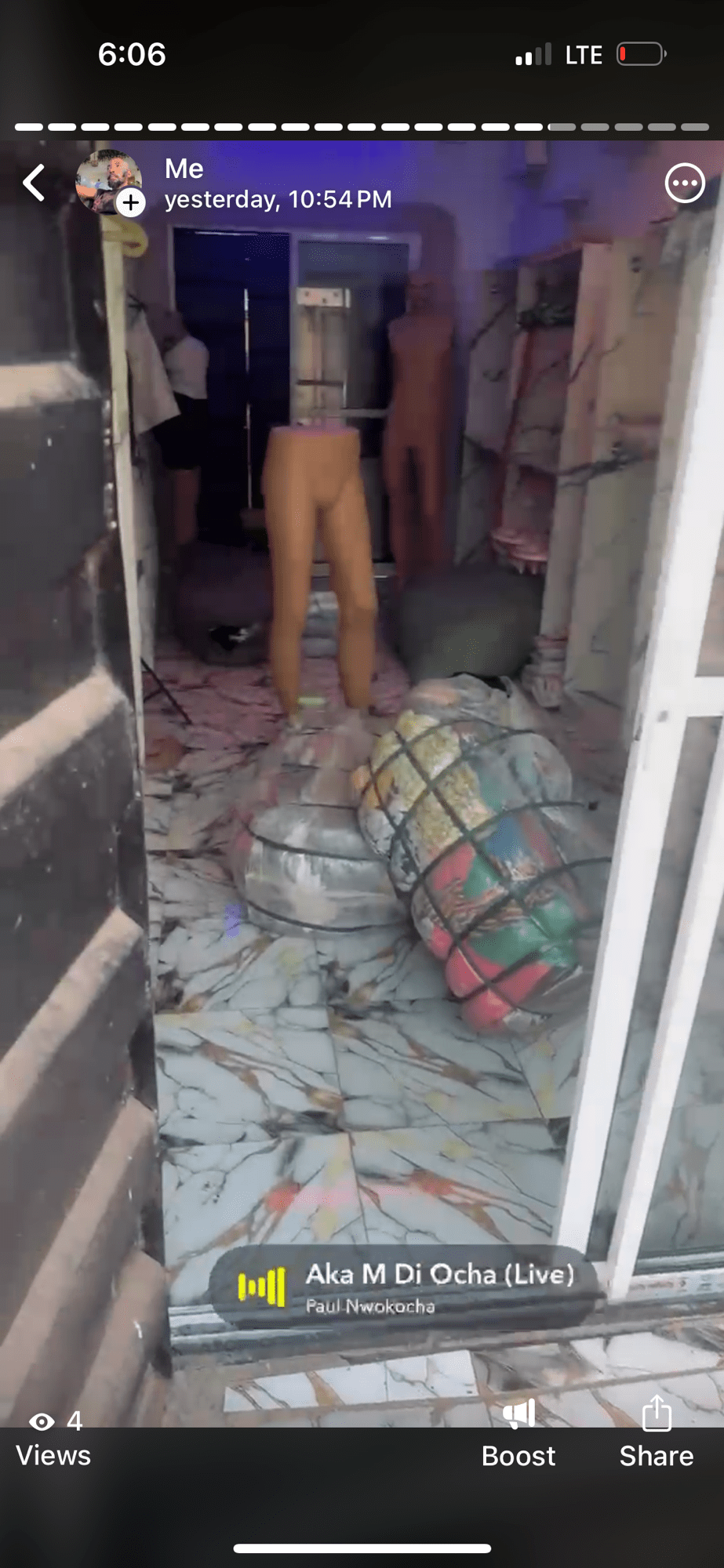
The thrift business, popularly known as Okrika in Nigeria, has become one of the most profitable small businesses for smart entrepreneurs.
Across many cities in Nigeria, thousands of people depend on thrift clothing to look fashionable without spending too much money.
The truth is simple: not everyone can afford expensive designer clothes, but almost everyone wants to look good.
This creates a massive opportunity for anyone willing to start a thrift clothing business.
With the right strategy, good sourcing, and smart marketing, you can turn this simple business into a steady stream of income.
In this guide, you will learn exactly how to start a profitable thrift or Okrika business even if you are starting with small capital.
The thrift clothing business is one of the most profitable small business ideas in Nigeria today.
Why The Thrift (Okrika) Business Is Profitable
Before starting any business, it is important to understand why it works.
The thrift clothing business continues to grow because of the following reasons:
1. High Demand
Millions of Nigerians prefer thrift clothes because they are affordable and sometimes better in quality than some new clothes in the market.
2. Low Startup Capital
Unlike many businesses that require large investment, you can start a thrift business with relatively small capital.
3. High Profit Margin
A cloth bought for ₦500 can easily sell for ₦2,000 or more depending on the quality and presentation.
4. Fast Sales
If you choose the right location or market online properly, thrift clothes sell quickly.
Step 1: Decide The Type Of Thrift Items To Sell
Many beginners fail because they try to sell everything.
Successful thrift sellers usually focus on specific categories such as:
Women fashion Men fashion Children clothes Jeans and trousers Corporate shirts Jackets and hoodies Shoes and bags
Focusing on a specific niche helps you build a reputation faster.
For example, someone known for selling quality vintage jeans will attract loyal buyers quickly.
Step 2: Learn How To Identify Quality Okrika
Not every thrift item is worth selling.
To make consistent profit, you must learn how to identify quality pieces.
Look out for the following:
Strong fabric quality No permanent stains No torn seams Original brand labels Trendy fashion styles
Customers always return to sellers who consistently provide quality items.
If your clothes are always clean and attractive, buyers will trust your business.
Step 3: Find Reliable Suppliers
Your supplier determines the success of your thrift business.
Common sourcing options include:
Local Okrika Markets
Popular markets where sellers buy include:
Katangua Market Yaba Market Aswani Market Aba Okrika Market Onitsha Main Market
These markets sell thrift clothes in bales or select pieces.
Bale Suppliers
Buying full bales is cheaper but requires more capital. However, the profit margin is usually higher.
Importers
Some wholesalers import directly and sell to retailers.
Building a strong relationship with a reliable supplier ensures you always get good products.
Step 4: Choose Your Selling Method
There are several ways to sell thrift clothes.
1. Physical Store
Opening a small shop or stall in a busy area can bring consistent customers.
2. Street Display
Many sellers spread their clothes on mats or tables in busy markets.
3. Online Selling
Social media platforms like:
Facebook Instagram WhatsApp
allow you to reach more buyers without renting a shop.
Many successful thrift sellers now combine offline and online sales to increase profits.
Step 5: Wash And Package Your Clothes Properly
Presentation is extremely important in thrift business.
Customers are more likely to buy when clothes look fresh and neat.
Before selling:
Wash the clothes Iron them properly Package neatly Remove stains if possible
This simple step can double the price customers are willing to pay.
Step 6: Price Your Items Strategically
Pricing determines how fast your items sell.
Your price should consider:
Cost price Cleaning expenses Transportation Market demand
Avoid pricing too high when you are just starting.
Instead, focus on quick turnover and customer loyalty.
When customers trust your quality, they will pay higher prices later.
Step 7: Build Loyal Customers
The real secret of successful thrift sellers is repeat customers.
To build loyalty:
Treat customers with respect Be honest about product quality Offer discounts to returning buyers Inform customers when new stock arrives
Happy customers often recommend your business to friends and family.
Word-of-mouth marketing can grow your thrift business faster than paid advertisements.
Step 8: Promote Your Business Online
Social media has made thrift business even more profitable.
Simple marketing strategies include:
Posting new arrivals daily Showing before-and-after cleaning Doing live sales Offering limited discounts Encouraging customers to repost
If you remain consistent online, your thrift business can attract buyers from different locations.
Step 9: Reinvest Your Profit
One major mistake new entrepreneurs make is spending all their profit.
Instead, reinvest your profit to grow the business.
You can reinvest by:
Buying bigger bales Expanding product variety Renting a better shop location Running social media promotions
Growth comes from consistent reinvestment.
Common Mistakes To Avoid In Thrift Business
Many people start thrift business but fail because of avoidable mistakes.
Buying Low Quality Bales
Cheap bales sometimes contain mostly damaged clothes.
Poor Hygiene
Dirty or smelly clothes discourage buyers.
Wrong Location
Selling in a place with little foot traffic affects sales.
Inconsistent Stock
Customers expect new arrivals frequently.
Avoiding these mistakes will significantly improve your chances of success.
How Much Capital Do You Need?
The good news is that thrift business can start with different budgets.
Example startup levels:
Small start (₦30,000 – ₦70,000)
Buy selected pieces and resell online.
Medium start (₦100,000 – ₦300,000)
Buy half bale or full bale and sell in markets.
Large start (₦500,000 and above)
Open a boutique-style thrift store.
Start with what you can afford and grow gradually.
Final Thoughts
Starting a thrift or okrika business is one of the most practical ways to enter entrepreneurship in Nigeria.
The business thrives because people always need affordable fashion.
With proper sourcing, good presentation, and consistent marketing, thrift selling can grow from a small side hustle into a reliable business.
If you remain patient, learn the market, and treat customers well, your thrift business can become a steady source of income for years.
Remember, many successful entrepreneurs today started with very simple businesses. What matters most is taking action and improving as you grow.




 Business Ideas NG
Leave a reply to priscachinyere89 Cancel reply