Category: Business Ideas

  • Best Ways to Invest $500 and Make Money Every Month

    Starting your investment journey doesn’t require millions. In fact, with just $500 (₦700,000+ depending on exchange rate), you can build income streams that generate consistent monthly earnings.

    The secret is not just investing—but investing strategically and intentionally.

    If you’ve read my previous guide on “The Risks Of Not Having Side Hustle or Businesses As A Salary Earner,” you already know why relying on one income source is dangerous. This post will show you practical ways to turn a small capital into a steady monthly income stream.

    Why $500 Is Enough to Start Investing

    Many people delay investing because they believe they need large capital. That mindset is what keeps people stuck financially.

    With $500, you can:

    Start a profitable side hustle Build digital assets Invest in scalable opportunities Generate recurring income

    The key is choosing investments that:

    ✔ Have low entry barriers

    ✔ Can scale over time

    ✔ Generate consistent returns

    1. Start a Niche Blog (Low Cost, High Returns)

    One of the smartest ways to invest $500 is by starting a blog.

    With less than $100, you can:

    Buy a domain name

    Get hosting

    Set up your website

    The remaining money can go into:

    • Content Creation
    • SEO tools
    • Promotion

    How You Make Money Monthly

    • Google Adsense
    • Affiliate Marketing
    • Sponsored Posts

    Selling digital products. Read more on How to Choose a Domain Name for Your Blog — choosing the right domain is your foundation.

    Read more on Business Discipline Can Change Your Career Trajectory And reposition you as an Entrepreneur— consistency is what grows your blog income.

    2. Invest in Mini Importation Business

    Mini importation is one of the most popular businesses in Nigeria right now.

    With $500, you can:

    Source products from platforms like Alibaba or 1688

    • Pay for Shipping
    • Start selling locally

    Best Products to Start With

    • Phone accessories
    • Smart gadgets
    • Fashion items
    • Beauty products

    Monthly Income Strategy

    Sell on WhatsApp, Instagram, or Jumia

    Reinvent profits into more stock. Read more on 15 Profitable Businesses That Will Never Disappoint You if carefully and patiently nurtured

    3. Affiliate Marketing (Zero Inventory Business)

    Affiliate marketing allows you to earn commissions by promoting other people’s products.

    You don’t need to create your own product.

    How to Start with $500

    • Buy a domain and hosting
    • Create a simple website or landing page
    • Invest in traffic (Facebook or Google ads)

    Monthly Earnings Potential

    4. Invest in Digital Skills (High ROI Investment)

    Instead of investing directly into a business, invest in yourself.

    With $500, you can learn:

    • Copywriting
    • Graphic design
    • Web development
    • SEO
    • Video editing

    Why This Works

    Skills pay you monthly through:

    • Freelancing
    • Remote jobs

    Client work. Read more on Act Intentional As An Entrepreneur and Not in Anger when taking business decisions

    Investing in skills is one of the most intentional moves you can make.

    5. Start a Print-on-Demand Business

    Print-on-demand allows you to sell custom products without holding inventory.

    What You Can Sell

    • T-shirts
    • Mugs
    • Phone cases
    • Hoodies

    How It Works

    You create designs

    Customers place orders

    Supplier prints and delivers

    Monthly Income Strategy

    Promote designs on social media

    Use paid ads to scale

    6. Invest in Agriculture (Local & Profitable)

    Agriculture remains one of the most underrated investments.

    With $500, you can start:

    Poultry farming (small scale)

    Snail farming

    Fish farming

    Why Agriculture Works

    High local demand

    Repeat buyers

    Scalable. Read more on Charcoal Business is Lucrative If You Overlook Dirtiness

    Agriculture businesses thrive with patience.

    7. Start a Small E-commerce Store

    You can create an online store using platforms like:

    Shopify

    WooCommerce

    What $500 Covers

    Store setup

    Product sourcing

    Ads

    Monthly Income Model

    Sell trending products

    Use social media ads

    Automate order processing

    8. Invest in Cryptocurrency or Stocks (With Caution)

    You can invest part of your $500 into:

    Cryptocurrency

    Stocks

    Important Note

    This is not a “quick money” strategy.

    Dividend stocks

    Staking crypto

    ⚠️ Always invest only what you can afford to lose.

    9. Start a Local Service Business

    Sometimes the best investment is solving problems around you.

    With $500, you can start:

    Laundry service

    Cleaning business

    Phone repair

    POS business

    Why This Works

    Daily cash flow

    High demand

    Easy to scale. Read more on the Risks Of Not Having Side Hustle or Businesses as a salary earner

    10. Build and Sell Digital Products

    Digital products are one of the best ways to earn monthly income.

    Examples

    Ebooks

    Online courses

    Templates

    Guides

    Why It’s Powerful

    Create once, sell forever

    No inventory

    High profit margin

    👉 You can combine this with your blog for maximum results.

    How to Choose the Best Investment for You

    Before investing your $500, ask yourself:

    1. What is my goal?

    Quick income?

    Long-term wealth?

    2. What skills do I have?

    Writing?

    Marketing?

    Selling?

    3. How much time can I commit?

    Daily effort = faster results

    Common Mistakes to Avoid

    Avoid these if you want consistent monthly income:

    ❌ Investing without knowledge

    ❌ Chasing quick money schemes

    ❌ Lack of consistency

    ❌ Not reinvesting profits

    Smart Strategy to Maximize $500 Investment

    Instead of putting all your money into one option:

    Diversify like this:

    $200 → Blog or affiliate marketing

    $150 → Digital skill

    $150 → Small business or product

    This reduces risk and increases earning opportunities.

    Final Thoughts

    You don’t need millions to start building wealth.

    What you need is:

    The right strategy

    Consistency

    Patience

    $500, when used wisely, can become:

    $1,000

    $5,000

    Or even a full-time income stream

    Start small—but start smart.

    If you found this helpful, check out more practical guides on my blog where I break down real strategies that work in Nigeria and beyond.

    👉 Don’t miss:

    How to Choose a Domain Name for Your Blog

    15 Businesses That Will Never Disappoint You

    The Risks Of Not Having Side Hustle as a Salary Earner

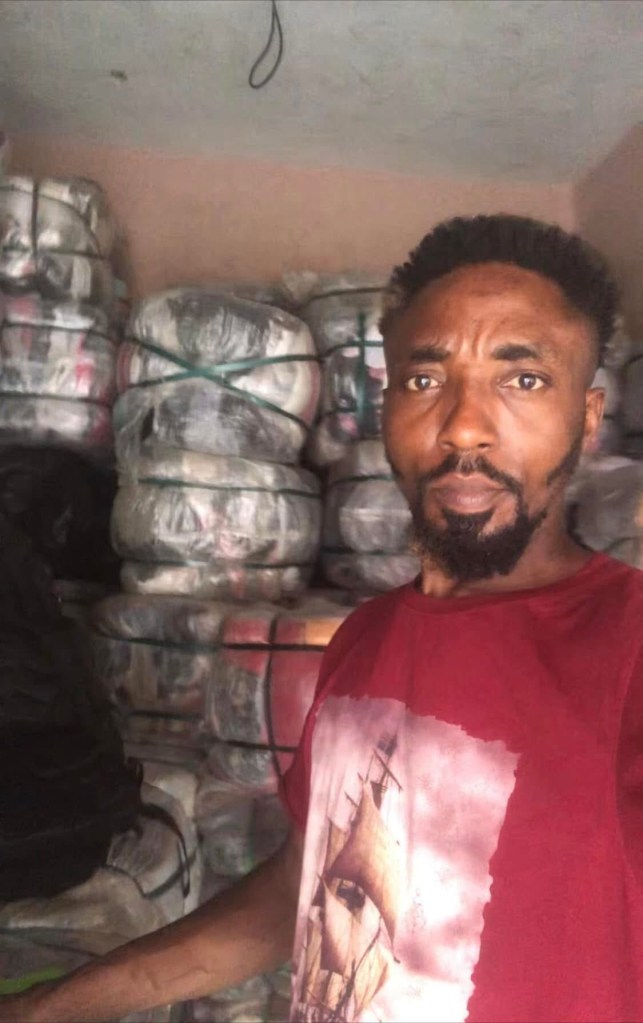
  • How to Know if an Okirika Bale is Worth Buying Before You Pay

    How to Know if an Okirika Bale is Worth Buying Before You Pay

    The Okrika business in Nigeria — especially in Lagos — can either make you steady weekly income or wipe your capital in one bad purchase.

    The difference is not luck.

    The difference is knowledge.

    Many beginners rush to buy their first bale because they hear stories of people making ₦200,000 – ₦500,000 profit from one bundle. What they don’t hear are the silent losses — the torn clothes, outdated styles, wrong grades, mixed categories, and low-demand items.

    If you want to survive in this business long term, you must learn how to inspect before you invest.

    Let’s break it down step by step.

    1. Understand the Grade Before You Buy

    Okirika bales are graded.

    Common grades include:

    Grade A Grade B Cream First Grade UK Grade China Mix

    But here’s the truth:

    Grade names alone mean nothing.

    Two suppliers can sell “Grade A” and give completely different quality.

    What matters is:

    The supplier’s reputation The country of origin The consistency of previous buyers

    Always ask:

    Is it original UK? Is it Canada mix? Is it factory packed or locally repacked?

    Factory-packed bales are usually more trustworthy than repacked ones.

    2. Check Market Demand First (Before Touching Any Bale)

    Never buy a bale because it looks attractive.

    Buy because it sells.

    Ask yourself:

    Is this item currently trending? Is it rainy season or dry season? Is this category fast-moving in my area?

    For example:

    Jackets sell faster during rainy season. Corporate shirts sell well in business environments. Female fashion usually moves faster than male fashion. Children clothes sell quickly in residential areas.

    If you are selling in Lagos, Island demand may differ from Mainland demand.

    Don’t buy based on emotion.

    Buy based on movement.

    3. Inspect Sample Pieces Properly

    Before paying, always ask the seller to open at least 3–5 sample pieces from different parts of the bale.

    Check for:

    Tears Faded color Stains Missing buttons Broken zippers Outdated designs

    If 3 out of 5 samples are bad, expect 30–50% loss inside the bale.

    Don’t allow pressure from sellers to rush you.

    Once you pay, the risk becomes yours.

    4. Calculate Potential Profit Before Paying

    This is where most beginners fail.

    Let’s assume:

    Bale cost: ₦350,000

    Number of pieces inside: 100 pieces

    Cost per piece = ₦3,500

    Now ask:

    Can I sell average piece for ₦8,000?

    If yes:

    Profit per piece ≈ ₦4,500

    If you sell 80 good pieces:

    80 × ₦4,500 = ₦360,000 profit

    But if quality is poor and you only sell at ₦5,000:

    Profit per piece ≈ ₦1,500

    That changes everything.

    Always calculate:

    Worst-case selling price Expected average price Number of sellable pieces

    If the math doesn’t make sense, walk away.

    5. Ask About Return Policy (Very Important)

    Serious suppliers offer:

    Partial replacement Exchange options Long-term buyer relationship

    If a seller says:

    “Once you carry it, no return.”

    Be extra careful.

    Experienced okirika traders in Lagos often build relationships with 2–3 trusted suppliers and stick with them long term.

    Trust reduces risk.

    6. Know the Weight and Piece Estimate

    Different bale categories have different:

    Weight (45kg, 55kg, 80kg etc.) Estimated number of pieces

    Ask:

    How many pieces are inside?

    Compare price with expected quantity.

    If Bale A:

    ₦300,000 for 80 pieces

    If Bale B:

    ₦350,000 for 120 pieces

    Even if Bale B is slightly lower quality, it may give higher overall margin.

    Numbers matter.

    7. Check Smell and Storage Condition

    This sounds small, but it matters.

    If a bale smells moldy or extremely damp, it may have been poorly stored.

    Damp storage can cause:

    Stains Fabric damage Bad odor customers reject

    Your customers won’t care about your cost price.

    They care about quality.

    8. Don’t Start with High-Risk Categories

    As a beginner, avoid:

    White clothes (high stain risk) Wedding gowns Specialized niche fashion Extremely seasonal items

    Start with:

    Female tops Leggings Jeans Children wear Sportwear

    These categories move fast and reduce risk.

    9. Study Other Sellers Before Buying

    Before buying a bale, visit:

    Instagram vendors Local market sellers WhatsApp resellers

    Observe:

    What are they posting? What styles sell quickly? What price range works? What quality attracts comments?

    Let market behavior guide your purchase.

    10. Start Small, Test, Then Scale

    Your first bale is not for profit.

    It is for experience.

    Even if you make small profit, focus on:

    Understanding grading Knowing your customer type Testing price acceptance Building customer trust

    Once you identify a fast-moving category, then increase investment.

    11. Avoid “Too Cheap” Bales

    If price is significantly lower than market rate, ask why.

    Possible reasons:

    Mixed waste inside Old fashion stock High damage percentage Repacked leftovers

    In okirika business, cheap can be expensive.

    12. Control Your Emotions

    The market environment can pressure you.

    Other buyers shouting.

    Sellers rushing you.

    Fear of missing out.

    Calm down.

    A bad bale can freeze your capital for months.

    But a good bale can sell out in 2 weeks.

    Discipline protects your money.

    13. Build Supplier Relationship

    Once you find a good supplier:

    Stay loyal Pay on time Avoid unnecessary arguments Build trust

    Good suppliers sometimes give early notice when premium bales arrive.

    That advantage alone can increase your profit margin.

    14. Separate “Hope” from “Business”

    Hope says:

    “This bale should be good.”

    Business says:

    “Show me the numbers.”

    Hope says:

    “Others are buying it.”

    Business says:

    “Does it sell in my market?”

    Remove emotions.

    Operate with calculation.

    Final Advice

    The okirika bale business is profitable in Nigeria.

    But profit does not come from buying randomly.

    It comes from:

    Inspection Market knowledge Calculation Discipline Relationship building

    Before you pay for any bale, ask yourself:

    Is this in demand? Have I inspected properly? Does the math give room for profit? Can I sell at expected price? Am I buying from a trusted source?

    If the answers are clear and calculated, proceed.

    If not, walk away.

    Remember:

    Capital is hard to raise.

    Protect it like your life depends on it.

    Because in business, it does.

    One more thing — if you’re serious about building your thrift business brand beyond the market, you’ll need a website. A website helps you sell online, reach more customers and look professional.
    I personally recommend Hostinger for anyone starting out. It’s affordable, beginner-friendly and perfect for Nigerian entrepreneurs who want to establish an online presence without spending too much.
    You can check out Hostinger here: [your affiliate link once approved]

  • How to Start a Profitable Laundry Business in Nigeria  2026 Complete Guide

    How to Start a Profitable Laundry Business in Nigeria 2026 Complete Guide

    The laundry business is one of the most underrated but consistently profitable businesses in Nigeria today. While many people chase online trends and complicated ventures, thousands of Nigerians quietly make steady income every month from laundry and dry cleaning services.

    The reason is simple: people will always need clean clothes.

    Busy professionals, students, bachelors, families, and even corporate offices outsource laundry because they lack time. If positioned correctly, this business can generate daily cash flow.

    In this guide, you will learn everything you need to start and grow a profitable laundry business in Nigeria.

    Why Laundry Business is Profitable in Nigeria

    Increasing number of working-class citizens

    Growth of hostels and student accommodations

    Busy urban lifestyle

    Rising demand for convenience services

    Unlike seasonal businesses, laundry runs all year round.

    How Much Do You Need to Start

    Startup capital depends on your scale.

    🔹 Small-Scale

    Setup (Home-Based)

    Estimated budget: ₦300,000 – ₦700,000

    You’ll need:

    Washing machine (semi or automatic)

    Pressing iron (industrial recommended)

    Generator (if power supply is unstable)

    Water storage tank

    Detergents & packaging nylons

    Branding banner

    This model is perfect if you’re testing the business.

    🔹 Standard Shop Setup

    Estimated budget: ₦800,000 – ₦2,500,000

    Includes:

    2–3 industrial washing machines

    Industrial dryer

    Steam iron

    Shop rent

    Generator

    Staff salary (if needed)

    This model attracts more walk-in and bulk customers.

    Choosing the Right Location

    Location determines speed of success.

    Best places:

    Close to hostels

    Residential estates

    Busy urban areas

    Near corporate offices

    Avoid hidden streets.

    Visibility increases trust.

    Equipment Needed

    Washing machine (industrial preferred for durability)

    Dryer

    Industrial steam iron

    Ironing table

    Water tanks

    Generator

    Laundry baskets

    Branded packaging

    Quality equipment reduces maintenance cost.

    Pricing Strategy

    Pricing depends on your target audience and area.

    Example pricing structure:

    Shirt: ₦500 – ₦800

    Trousers: ₦500 – ₦800

    Suits: ₦1,500 – ₦2,500

    Bedsheets: ₦1,000 – ₦2,000

    You can also offer:

    Weekly subscription packages

    Hostel student discounts

    Pickup and delivery services (this increases profits)

    How Much Can You Make

    Let’s assume:

    20 customers daily

    Average spending per customer: ₦2,000

    That’s ₦40,000 daily.

    Even after expenses, you can make ₦300,000 – ₦700,000 monthly depending on scale.

    Consistency and customer retention determine profitability.

    How to Attract Customers Fast

    Create a Facebook page

    Promote in local WhatsApp groups

    Offer first-time discounts

    Print flyers in your area

    Encourage referrals

    Offer free pickup within your area

    Good customer service brings repeat business.

    Common Mistakes to Avoid

    Poor ironing quality

    Delaying delivery

    Mixing customers’ clothes

    Using cheap detergents

    Ignoring branding

    Your reputation is your biggest asset.

    Is Laundry Business Risky

    Every business has risks. However, laundry is low-risk compared to importation or large capital ventures.

    The main challenges

    Power supply

    Water availability

    Equipment maintenance

    But these can be managed with proper planning.

    Should You Start Now?

    If you:

    Want steady daily income

    Prefer low-to-moderate capital business

    Live in a populated area

    Are ready to be consistent

    Then laundry business is worth considering.

    Success in this business doesn’t require loud marketing — it requires reliability.

    Final Thoughts

    Many people ignore simple businesses because they look “common.” But common services often produce uncommon profits.

    Laundry business is not flashy.

    It is practical.

    It solves a real problem.

    And businesses that solve real problems survive long term.

    If properly managed, this business can grow into:

    Multiple branches

    Corporate contracts

    Uniform cleaning deals

    Hotel partnerships

    The opportunity is there.

    The decision is yours.