
Tag: Thrift Business Nigeria

  • How to Know if an Okirika Bale is Worth Buying Before You Pay

    How to Know if an Okirika Bale is Worth Buying Before You Pay

    The Okrika business in Nigeria — especially in Lagos — can either make you steady weekly income or wipe your capital in one bad purchase.

    The difference is not luck.

    The difference is knowledge.

    Many beginners rush to buy their first bale because they hear stories of people making ₦200,000 – ₦500,000 profit from one bundle. What they don’t hear are the silent losses — the torn clothes, outdated styles, wrong grades, mixed categories, and low-demand items.

    If you want to survive in this business long term, you must learn how to inspect before you invest.

    Let’s break it down step by step.

    1. Understand the Grade Before You Buy

    Okirika bales are graded.

    Common grades include:

    Grade A Grade B Cream First Grade UK Grade China Mix

    But here’s the truth:

    Grade names alone mean nothing.

    Two suppliers can sell “Grade A” and give completely different quality.

    What matters is:

    The supplier’s reputation The country of origin The consistency of previous buyers

    Always ask:

    Is it original UK? Is it Canada mix? Is it factory packed or locally repacked?

    Factory-packed bales are usually more trustworthy than repacked ones.

    2. Check Market Demand First (Before Touching Any Bale)

    Never buy a bale because it looks attractive.

    Buy because it sells.

    Ask yourself:

    Is this item currently trending? Is it rainy season or dry season? Is this category fast-moving in my area?

    For example:

    Jackets sell faster during rainy season. Corporate shirts sell well in business environments. Female fashion usually moves faster than male fashion. Children clothes sell quickly in residential areas.

    If you are selling in Lagos, Island demand may differ from Mainland demand.

    Don’t buy based on emotion.

    Buy based on movement.

    3. Inspect Sample Pieces Properly

    Before paying, always ask the seller to open at least 3–5 sample pieces from different parts of the bale.

    Check for:

    Tears Faded color Stains Missing buttons Broken zippers Outdated designs

    If 3 out of 5 samples are bad, expect 30–50% loss inside the bale.

    Don’t allow pressure from sellers to rush you.

    Once you pay, the risk becomes yours.

    4. Calculate Potential Profit Before Paying

    This is where most beginners fail.

    Let’s assume:

    Bale cost: ₦350,000

    Number of pieces inside: 100 pieces

    Cost per piece = ₦3,500

    Now ask:

    Can I sell average piece for ₦8,000?

    If yes:

    Profit per piece ≈ ₦4,500

    If you sell 80 good pieces:

    80 × ₦4,500 = ₦360,000 profit

    But if quality is poor and you only sell at ₦5,000:

    Profit per piece ≈ ₦1,500

    That changes everything.

    Always calculate:

    Worst-case selling price Expected average price Number of sellable pieces

    If the math doesn’t make sense, walk away.

    5. Ask About Return Policy (Very Important)

    Serious suppliers offer:

    Partial replacement Exchange options Long-term buyer relationship

    If a seller says:

    “Once you carry it, no return.”

    Be extra careful.

    Experienced okirika traders in Lagos often build relationships with 2–3 trusted suppliers and stick with them long term.

    Trust reduces risk.

    6. Know the Weight and Piece Estimate

    Different bale categories have different:

    Weight (45kg, 55kg, 80kg etc.) Estimated number of pieces

    Ask:

    How many pieces are inside?

    Compare price with expected quantity.

    If Bale A:

    ₦300,000 for 80 pieces

    If Bale B:

    ₦350,000 for 120 pieces

    Even if Bale B is slightly lower quality, it may give higher overall margin.

    Numbers matter.

    7. Check Smell and Storage Condition

    This sounds small, but it matters.

    If a bale smells moldy or extremely damp, it may have been poorly stored.

    Damp storage can cause:

    Stains Fabric damage Bad odor customers reject

    Your customers won’t care about your cost price.

    They care about quality.

    8. Don’t Start with High-Risk Categories

    As a beginner, avoid:

    White clothes (high stain risk) Wedding gowns Specialized niche fashion Extremely seasonal items

    Start with:

    Female tops Leggings Jeans Children wear Sportwear

    These categories move fast and reduce risk.

    9. Study Other Sellers Before Buying

    Before buying a bale, visit:

    Instagram vendors Local market sellers WhatsApp resellers

    Observe:

    What are they posting? What styles sell quickly? What price range works? What quality attracts comments?

    Let market behavior guide your purchase.

    10. Start Small, Test, Then Scale

    Your first bale is not for profit.

    It is for experience.

    Even if you make small profit, focus on:

    Understanding grading Knowing your customer type Testing price acceptance Building customer trust

    Once you identify a fast-moving category, then increase investment.

    11. Avoid “Too Cheap” Bales

    If price is significantly lower than market rate, ask why.

    Possible reasons:

    Mixed waste inside Old fashion stock High damage percentage Repacked leftovers

    In okirika business, cheap can be expensive.

    12. Control Your Emotions

    The market environment can pressure you.

    Other buyers shouting.

    Sellers rushing you.

    Fear of missing out.

    Calm down.

    A bad bale can freeze your capital for months.

    But a good bale can sell out in 2 weeks.

    Discipline protects your money.

    13. Build Supplier Relationship

    Once you find a good supplier:

    Stay loyal Pay on time Avoid unnecessary arguments Build trust

    Good suppliers sometimes give early notice when premium bales arrive.

    That advantage alone can increase your profit margin.

    14. Separate “Hope” from “Business”

    Hope says:

    “This bale should be good.”

    Business says:

    “Show me the numbers.”

    Hope says:

    “Others are buying it.”

    Business says:

    “Does it sell in my market?”

    Remove emotions.

    Operate with calculation.

    Final Advice

    The okirika bale business is profitable in Nigeria.

    But profit does not come from buying randomly.

    It comes from:

    Inspection Market knowledge Calculation Discipline Relationship building

    Before you pay for any bale, ask yourself:

    Is this in demand? Have I inspected properly? Does the math give room for profit? Can I sell at expected price? Am I buying from a trusted source?

    If the answers are clear and calculated, proceed.

    If not, walk away.

    Remember:

    Capital is hard to raise.

    Protect it like your life depends on it.

    Because in business, it does.

    One more thing — if you’re serious about building your thrift business brand beyond the market, you’ll need a website. A website helps you sell online, reach more customers and look professional.
    I personally recommend Hostinger for anyone starting out. It’s affordable, beginner-friendly and perfect for Nigerian entrepreneurs who want to establish an online presence without spending too much.
    You can check out Hostinger here: [your affiliate link once approved]
  • How to Start a Profitable Thrift or Okrika Business

    How to Start a Profitable Thrift or Okrika Business

    The thrift business, popularly known as Okrika in Nigeria, has become one of the most profitable small businesses for smart entrepreneurs.

    Across many cities in Nigeria, thousands of people depend on thrift clothing to look fashionable without spending too much money.

    The truth is simple: not everyone can afford expensive designer clothes, but almost everyone wants to look good.

    This creates a massive opportunity for anyone willing to start a thrift clothing business.

    With the right strategy, good sourcing, and smart marketing, you can turn this simple business into a steady stream of income.

    In this guide, you will learn exactly how to start a profitable thrift or Okrika business even if you are starting with small capital.

    The thrift clothing business is one of the most profitable small business ideas in Nigeria today.

    Why The Thrift (Okrika) Business Is Profitable

    Before starting any business, it is important to understand why it works.

    The thrift clothing business continues to grow because of the following reasons:

    1. High Demand

    Millions of Nigerians prefer thrift clothes because they are affordable and sometimes better in quality than some new clothes in the market.

    2. Low Startup Capital

    Unlike many businesses that require large investment, you can start a thrift business with relatively small capital.

    3. High Profit Margin

    A cloth bought for ₦500 can easily sell for ₦2,000 or more depending on the quality and presentation.

    4. Fast Sales

    If you choose the right location or market online properly, thrift clothes sell quickly.

    Step 1: Decide The Type Of Thrift Items To Sell

    Many beginners fail because they try to sell everything.

    Successful thrift sellers usually focus on specific categories such as:

    Women fashion Men fashion Children clothes Jeans and trousers Corporate shirts Jackets and hoodies Shoes and bags

    Focusing on a specific niche helps you build a reputation faster.

    For example, someone known for selling quality vintage jeans will attract loyal buyers quickly.

    Step 2: Learn How To Identify Quality Okrika

    Not every thrift item is worth selling.

    To make consistent profit, you must learn how to identify quality pieces.

    Look out for the following:

    Strong fabric quality No permanent stains No torn seams Original brand labels Trendy fashion styles

    Customers always return to sellers who consistently provide quality items.

    If your clothes are always clean and attractive, buyers will trust your business.

    Step 3: Find Reliable Suppliers

    Your supplier determines the success of your thrift business.

    Common sourcing options include:

    Local Okrika Markets

    Popular markets where sellers buy include:

    Katangua Market Yaba Market Aswani Market Aba Okrika Market Onitsha Main Market

    These markets sell thrift clothes in bales or select pieces.

    Bale Suppliers

    Buying full bales is cheaper but requires more capital. However, the profit margin is usually higher.

    Importers

    Some wholesalers import directly and sell to retailers.

    Building a strong relationship with a reliable supplier ensures you always get good products.

    Step 4: Choose Your Selling Method

    There are several ways to sell thrift clothes.

    1. Physical Store

    Opening a small shop or stall in a busy area can bring consistent customers.

    2. Street Display

    Many sellers spread their clothes on mats or tables in busy markets.

    3. Online Selling

    Social media platforms like:

    Facebook Instagram WhatsApp

    allow you to reach more buyers without renting a shop.

    Many successful thrift sellers now combine offline and online sales to increase profits.

    Step 5: Wash And Package Your Clothes Properly

    Presentation is extremely important in thrift business.

    Customers are more likely to buy when clothes look fresh and neat.

    Before selling:

    Wash the clothes Iron them properly Package neatly Remove stains if possible

    This simple step can double the price customers are willing to pay.

    Step 6: Price Your Items Strategically

    Pricing determines how fast your items sell.

    Your price should consider:

    Cost price Cleaning expenses Transportation Market demand

    Avoid pricing too high when you are just starting.

    Instead, focus on quick turnover and customer loyalty.

    When customers trust your quality, they will pay higher prices later.

    Step 7: Build Loyal Customers

    The real secret of successful thrift sellers is repeat customers.

    To build loyalty:

    Treat customers with respect Be honest about product quality Offer discounts to returning buyers Inform customers when new stock arrives

    Happy customers often recommend your business to friends and family.

    Word-of-mouth marketing can grow your thrift business faster than paid advertisements.

    Step 8: Promote Your Business Online

    Social media has made thrift business even more profitable.

    Simple marketing strategies include:

    Posting new arrivals daily Showing before-and-after cleaning Doing live sales Offering limited discounts Encouraging customers to repost

    If you remain consistent online, your thrift business can attract buyers from different locations.

    Step 9: Reinvest Your Profit

    One major mistake new entrepreneurs make is spending all their profit.

    Instead, reinvest your profit to grow the business.

    You can reinvest by:

    Buying bigger bales Expanding product variety Renting a better shop location Running social media promotions

    Growth comes from consistent reinvestment.

    Common Mistakes To Avoid In Thrift Business

    Many people start thrift business but fail because of avoidable mistakes.

    Buying Low Quality Bales

    Cheap bales sometimes contain mostly damaged clothes.

    Poor Hygiene

    Dirty or smelly clothes discourage buyers.

    Wrong Location

    Selling in a place with little foot traffic affects sales.

    Inconsistent Stock

    Customers expect new arrivals frequently.

    Avoiding these mistakes will significantly improve your chances of success.

    How Much Capital Do You Need?

    The good news is that thrift business can start with different budgets.

    Example startup levels:

    Small start (₦30,000 – ₦70,000)

    Buy selected pieces and resell online.

    Medium start (₦100,000 – ₦300,000)

    Buy half bale or full bale and sell in markets.

    Large start (₦500,000 and above)

    Open a boutique-style thrift store.

    Start with what you can afford and grow gradually.

    Final Thoughts

    Starting a thrift or okrika business is one of the most practical ways to enter entrepreneurship in Nigeria.

    The business thrives because people always need affordable fashion.

    With proper sourcing, good presentation, and consistent marketing, thrift selling can grow from a small side hustle into a reliable business.

    If you remain patient, learn the market, and treat customers well, your thrift business can become a steady source of income for years.

    Remember, many successful entrepreneurs today started with very simple businesses. What matters most is taking action and improving as you grow.

    Thrift (Okrika) clothing business in Nigeria
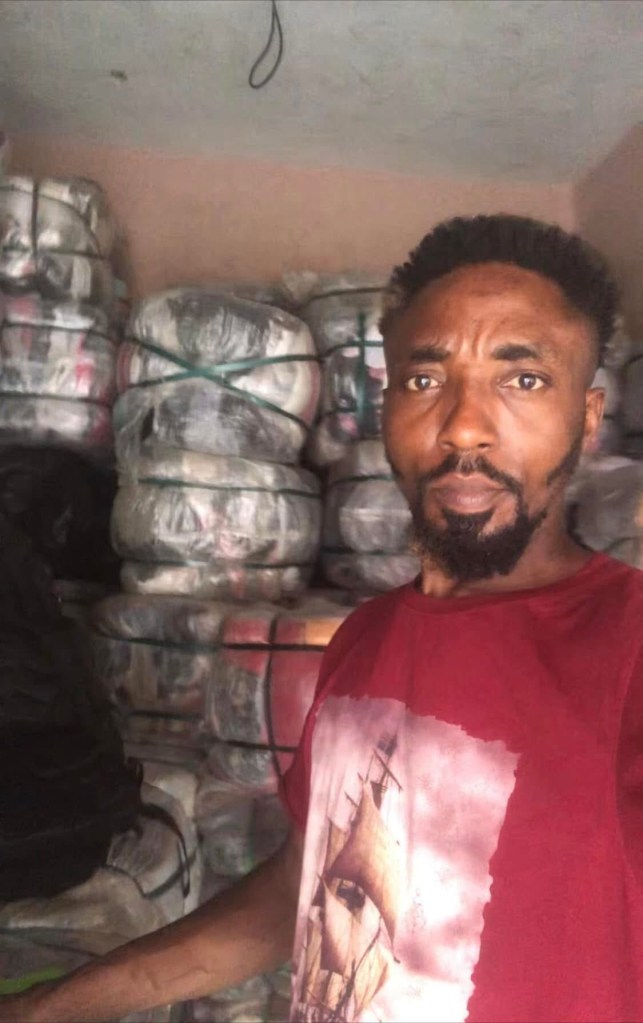
    Nnamdi Snr of Business Ideas NG wearing a white cap