Tag: Small Business Nigeria

  • How I Started My Business Journey With Almost Nothing In Nigeria

    How I Started My Business Journey With Almost Nothing In Nigeria

    Starting a business in Nigeria is not for the faint-hearted.

    There is no stable electricity.

    There is no cheap capital.

    There is no guaranteed support system.

    And yet, thousands of entrepreneurs rise daily from nothing.

    I was one of them.

    This is not a motivational story. This is a survival story. A story of starting with almost nothing — no investors, no wealthy parents, no connections — just belief, hunger, and stubborn determination.

    If you are currently at zero, this is for you.

    The Day I Realized Nobody Was Coming to Save Me

    At some point, reality hits you.

    You either complain about Nigeria, or you build inside Nigeria.

    I had more excuses than resources:

    No startup capital No office No laptop at first No mentorship

    But I had something more powerful — urgency.

    In Nigeria, urgency can be your biggest asset. When survival is involved, creativity increases.

    Starting With Skill Instead of Capital

    Many people think business starts with money.

    It doesn’t.

    It starts with value.

    Since I didn’t have capital, I asked myself one question:

    What can I do that someone is willing to pay for?

    That question changed everything.

    I started small. Very small.

    Offering services instead of selling products Using my phone as my office Leveraging free platforms Learning from YouTube instead of paid courses

    Instead of waiting for capital, I converted skill into income.

    That is how many Nigerian entrepreneurs survive.

    My First Income Was Small — But It Changed My Mindset

    The first money I made was not impressive.

    But it was powerful.

    Because it proved something:

    Money can respond to effort.

    When you earn your first ₦5,000 or ₦10,000 from something you created, your confidence changes.

    You stop thinking like a job seeker.

    You start thinking like a problem solver.

    And in Nigeria, problem solvers always eat.

    Operating Without Comfort

    One of the biggest lies on social media is that business must look attractive from day one.

    Mine did not.

    There were days:

    No steady data No constant electricity No structured workspace No steady customers

    But I showed up anyway.

    Because business in Nigeria is not built on comfort. It is built on consistency.

    You don’t wait for perfect conditions here. You build inside imperfection.

    Discipline Was My First Capital

    Since I had no money, I invested in discipline.

    I created structure for myself:

    Wake up early Learn daily Post consistently Improve weekly

    Nobody was watching.

    Nobody was clapping.

    But discipline compounds quietly.

    This is something many young entrepreneurs ignore. They want capital before character. But without character, capital disappears.

    Learning to Sell Without Shame

    Selling in Nigeria can feel uncomfortable at first.

    You fear:

    Rejection Being ignored Being underpriced

    But if you start with nothing, you must learn to sell boldly.

    I sent proposals.

    I posted content.

    I followed up with prospects.

    Sometimes I got ignored. Sometimes I got insulted. But occasionally, I got paid.

    That was enough to continue.

    Using What Was Around Me

    I did not wait for international opportunities.

    I looked around me.

    Nigeria is full of problems:

    Logistics challenges Digital gaps Business education gaps Marketing struggles

    Where there is confusion, there is opportunity.

    I started solving small problems around me instead of chasing big dreams far away.

    That is how local entrepreneurs grow.

    Reinvesting Every Small Profit

    One mistake many beginners make is consuming early profit.

    When you start with almost nothing, every naira must work.

    If I made 20,000 Naira:

    Part went back into data Part into learning Part into tools

    Growth was slow.

    But steady.

    In Nigeria, slow growth with structure is better than fast growth with chaos.

    Dealing With Doubt and Criticism

    When you start small, people will underestimate you.

    Some will say:

    “Get a real job.”

    “This one won’t last.”

    “Business is too hard in Nigeria.”

    They are not wrong about the difficulty.

    But difficulty is not impossibility.

    If you allow public opinion to shape your decision, you will quit too early.

    Starting with nothing requires thick skin.

    Understanding the Nigerian Reality

    Let’s be honest.

    Nigeria is not an easy business environment.

    Challenges include:

    Currency instability Rising costs Unpredictable policies Infrastructure gaps

    But here is the truth:

    Nigeria also has:

    A young population Growing digital adoption High demand for services Strong hustle culture

    Your mindset determines which side you focus on.

    Building Network From Zero

    I did not have powerful connections.

    So I built small ones.

    Online communities Business groups Social media relationships Collaborations

    Networking does not start with politicians.

    It starts with peers.

    Sometimes your biggest opportunity will come from someone at your level, not above you.

    Why Starting With Nothing Was an Advantage

    It may sound strange, but starting with nothing gave me strength.

    Because:

    I learned to survive lean. I learned to market creatively. I learned to manage risk. I learned patience.

    If I had started with big capital, I might have wasted it.

    Scarcity builds strategy.

    Comfort builds carelessness.

    The Emotional Side Nobody Talks About

    Let me be honest.

    There were moments of fear.

    Moments of:

    Doubt Comparison Financial pressure Exhaustion

    Entrepreneurship in Nigeria can be lonely.

    But every time I wanted to quit, I reminded myself:

    If I quit, I go back to zero.

    So I continued.

    Not because it was easy.

    But because it was necessary.

    Small Wins Became Big Confidence

    Over time:

    Customers returned Referrals increased Income became more predictable Structure improved

    Nothing exploded overnight.

    But momentum started building.

    And momentum is powerful.

    What Starting With Almost Nothing Taught Me

    Here are the biggest lessons:

    1. Money Is Not the First Requirement — Courage Is

    Most people delay action waiting for capital.

    But action attracts capital.

    2. Skill Is More Reliable Than Capital

    Money can disappear.

    Skill stays with you.

    3. Consistency Beats Motivation

    You won’t always feel inspired.

    But discipline carries you forward.

    4. Nigeria Is Tough — But Possible

    Complaining won’t change it.

    Building inside it will strengthen you.

    Advice to Anyone Starting With Nothing in Nigeria

    If you are currently broke but ambitious:

    Start with what you know. Use free platforms wisely. Focus on service before expansion. Protect your reputation. Reinvest early profit. Avoid comparison. Develop mental toughness.

    Your beginning does not need to be loud.

    It just needs to start.

    Final Thoughts

    Starting my business journey with almost nothing in Nigeria was uncomfortable.

    But it shaped me.

    It forced me to:

    Think critically Act decisively Build discipline Develop resilience

    Today, I understand something clearly:

    The size of your beginning does not determine the size of your future.

    In Nigeria, survival can turn into success — if you refuse to quit.

    If you are at zero today, do not despise it.

    Zero is not empty.

    Zero is a starting point.

    If this story resonates with you, share it with someone who needs courage this morning.

    Your business journey may not look impressive now.

    But neither does a seed before it becomes a tree.

    Keep building.

    Nnamdi Snr, founder of Business Ideas NG, dressed professionally in a white shirt and red tie
  • How to Know if an Okirika Bale is Worth Buying Before You Pay

    How to Know if an Okirika Bale is Worth Buying Before You Pay

    The Okrika business in Nigeria — especially in Lagos — can either make you steady weekly income or wipe your capital in one bad purchase.

    The difference is not luck.

    The difference is knowledge.

    Many beginners rush to buy their first bale because they hear stories of people making ₦200,000 – ₦500,000 profit from one bundle. What they don’t hear are the silent losses — the torn clothes, outdated styles, wrong grades, mixed categories, and low-demand items.

    If you want to survive in this business long term, you must learn how to inspect before you invest.

    Let’s break it down step by step.

    1. Understand the Grade Before You Buy

    Okirika bales are graded.

    Common grades include:

    Grade A Grade B Cream First Grade UK Grade China Mix

    But here’s the truth:

    Grade names alone mean nothing.

    Two suppliers can sell “Grade A” and give completely different quality.

    What matters is:

    The supplier’s reputation The country of origin The consistency of previous buyers

    Always ask:

    Is it original UK? Is it Canada mix? Is it factory packed or locally repacked?

    Factory-packed bales are usually more trustworthy than repacked ones.

    2. Check Market Demand First (Before Touching Any Bale)

    Never buy a bale because it looks attractive.

    Buy because it sells.

    Ask yourself:

    Is this item currently trending? Is it rainy season or dry season? Is this category fast-moving in my area?

    For example:

    Jackets sell faster during rainy season. Corporate shirts sell well in business environments. Female fashion usually moves faster than male fashion. Children clothes sell quickly in residential areas.

    If you are selling in Lagos, Island demand may differ from Mainland demand.

    Don’t buy based on emotion.

    Buy based on movement.

    3. Inspect Sample Pieces Properly

    Before paying, always ask the seller to open at least 3–5 sample pieces from different parts of the bale.

    Check for:

    Tears Faded color Stains Missing buttons Broken zippers Outdated designs

    If 3 out of 5 samples are bad, expect 30–50% loss inside the bale.

    Don’t allow pressure from sellers to rush you.

    Once you pay, the risk becomes yours.

    4. Calculate Potential Profit Before Paying

    This is where most beginners fail.

    Let’s assume:

    Bale cost: ₦350,000

    Number of pieces inside: 100 pieces

    Cost per piece = ₦3,500

    Now ask:

    Can I sell average piece for ₦8,000?

    If yes:

    Profit per piece ≈ ₦4,500

    If you sell 80 good pieces:

    80 × ₦4,500 = ₦360,000 profit

    But if quality is poor and you only sell at ₦5,000:

    Profit per piece ≈ ₦1,500

    That changes everything.

    Always calculate:

    Worst-case selling price Expected average price Number of sellable pieces

    If the math doesn’t make sense, walk away.

    5. Ask About Return Policy (Very Important)

    Serious suppliers offer:

    Partial replacement Exchange options Long-term buyer relationship

    If a seller says:

    “Once you carry it, no return.”

    Be extra careful.

    Experienced okirika traders in Lagos often build relationships with 2–3 trusted suppliers and stick with them long term.

    Trust reduces risk.

    6. Know the Weight and Piece Estimate

    Different bale categories have different:

    Weight (45kg, 55kg, 80kg etc.) Estimated number of pieces

    Ask:

    How many pieces are inside?

    Compare price with expected quantity.

    If Bale A:

    ₦300,000 for 80 pieces

    If Bale B:

    ₦350,000 for 120 pieces

    Even if Bale B is slightly lower quality, it may give higher overall margin.

    Numbers matter.

    7. Check Smell and Storage Condition

    This sounds small, but it matters.

    If a bale smells moldy or extremely damp, it may have been poorly stored.

    Damp storage can cause:

    Stains Fabric damage Bad odor customers reject

    Your customers won’t care about your cost price.

    They care about quality.

    8. Don’t Start with High-Risk Categories

    As a beginner, avoid:

    White clothes (high stain risk) Wedding gowns Specialized niche fashion Extremely seasonal items

    Start with:

    Female tops Leggings Jeans Children wear Sportwear

    These categories move fast and reduce risk.

    9. Study Other Sellers Before Buying

    Before buying a bale, visit:

    Instagram vendors Local market sellers WhatsApp resellers

    Observe:

    What are they posting? What styles sell quickly? What price range works? What quality attracts comments?

    Let market behavior guide your purchase.

    10. Start Small, Test, Then Scale

    Your first bale is not for profit.

    It is for experience.

    Even if you make small profit, focus on:

    Understanding grading Knowing your customer type Testing price acceptance Building customer trust

    Once you identify a fast-moving category, then increase investment.

    11. Avoid “Too Cheap” Bales

    If price is significantly lower than market rate, ask why.

    Possible reasons:

    Mixed waste inside Old fashion stock High damage percentage Repacked leftovers

    In okirika business, cheap can be expensive.

    12. Control Your Emotions

    The market environment can pressure you.

    Other buyers shouting.

    Sellers rushing you.

    Fear of missing out.

    Calm down.

    A bad bale can freeze your capital for months.

    But a good bale can sell out in 2 weeks.

    Discipline protects your money.

    13. Build Supplier Relationship

    Once you find a good supplier:

    Stay loyal Pay on time Avoid unnecessary arguments Build trust

    Good suppliers sometimes give early notice when premium bales arrive.

    That advantage alone can increase your profit margin.

    14. Separate “Hope” from “Business”

    Hope says:

    “This bale should be good.”

    Business says:

    “Show me the numbers.”

    Hope says:

    “Others are buying it.”

    Business says:

    “Does it sell in my market?”

    Remove emotions.

    Operate with calculation.

    Final Advice

    The okirika bale business is profitable in Nigeria.

    But profit does not come from buying randomly.

    It comes from:

    Inspection Market knowledge Calculation Discipline Relationship building

    Before you pay for any bale, ask yourself:

    Is this in demand? Have I inspected properly? Does the math give room for profit? Can I sell at expected price? Am I buying from a trusted source?

    If the answers are clear and calculated, proceed.

    If not, walk away.

    Remember:

    Capital is hard to raise.

    Protect it like your life depends on it.

    Because in business, it does.

    One more thing — if you’re serious about building your thrift business brand beyond the market, you’ll need a website. A website helps you sell online, reach more customers and look professional.
    I personally recommend Hostinger for anyone starting out. It’s affordable, beginner-friendly and perfect for Nigerian entrepreneurs who want to establish an online presence without spending too much.
    You can check out Hostinger here: [your affiliate link once approved]

  • Key Things to Consider Before Starting an Importation Business in Nigeria: 2026 Guide

    Key Things to Consider Before Starting an Importation Business in Nigeria: 2026 Guide

    Many Nigerians are attracted to the importation business because of one reason: profit.

    You hear stories like:

    “He imported phones and made ₦2 million profit.”

    “She started mini importation and bought a car in one year.”

    “Importation is the fastest way to make money.”

    But here is the truth.

    Importation is profitable — but only if you understand what you’re doing.

    Before you invest your hard-earned money, here are the key things you must consider.

    1. Understand What Importation Really Means

    Importation simply means buying goods from another country and selling them in Nigeria for profit.

    Most Nigerian importers buy from:

    China

    Turkey

    United Kingdom

    United States

    Some use platforms like:

    Alibaba

    AliExpress

    1688.com

    But here is what many people don’t tell you:

    Importation is not just about buying cheap goods.

    It involves:

    Currency exchange

    Shipping logistics

    Customs clearance

    Market demand

    Risk management

    If you ignore these, you can lose money fast.

    2. Exchange Rate Can Make or Break You

    Nigeria operates in a volatile currency environment.

    Today’s exchange rate is not tomorrow’s rate.

    If you:

    Calculate profit at ₦1,500 per dollar And dollar rises to ₦1,700

    Your profit may disappear immediately.

    Before importing:

    Always add buffer margin Don’t calculate profit too tightly Prepare for exchange fluctuations

    Many beginners ignore this — and regret it.

    3. Research Market Demand First

    Don’t import because something is trending online.

    Ask yourself:

    Is there demand in my area? Who exactly will buy this? How many competitors already sell it? What price are they selling?

    For example:

    Importing 200 smartwatches sounds good.

    But if:

    20 other sellers already flood your market Everyone is doing price war

    Your profit reduces drastically.

    Smart importers test the market with small quantities first.

    4. Start Small – Don’t Be Emotional

    One major mistake beginners make is overconfidence.

    They say:

    “I don’t want small money. Let me go big.”

    That mindset is dangerous.

    Start with:

    Small test order Validate demand Study customer behavior

    Once the product sells consistently, then scale.

    Importation is not gambling. It is calculated business.

    5. Understand Shipping Costs Clearly

    Shipping is not cheap.

    There are different methods:

    Air freight (faster, more expensive) Sea freight (cheaper, slower)

    Some agents advertise:

    “Cheap shipping!”

    But hidden charges may include:

    Clearing fees Handling fees Storage charges

    Always ask:

    “What is the TOTAL amount I will pay before delivery?”

    Don’t calculate profit without full shipping cost.

    6. Know Your Target Customer

    Who are you selling to?

    Students?

    Working-class professionals?

    High-income earners?

    Market traders?

    Your product choice must match your target audience.

    For example:

    Luxury imported wristwatches may not sell well in a low-income community.

    Study your audience before importing.

    7. Avoid Fake Suppliers

    Not every supplier online is genuine.

    Before paying:

    Check supplier reviews Ask for product samples Use secure payment methods Avoid direct bank transfers to strangers

    Scams are real in international trade.

    If possible, use trusted platforms like:

    Alibaba (with Trade Assurance) AliExpress

    Be cautious. Protect your capital.

    8. Understand Customs & Government Regulations

    Some products are restricted in Nigeria.

    Examples:

    Certain electronics Food items Medical supplies Pharmaceutical products

    Importing restricted goods can:

    Lead to seizure Cause financial loss Create legal trouble

    Always confirm product legality before shipping.

    9. Have a Clear Sales Strategy

    Importation does not automatically equal sales.

    Before your goods arrive, ask:

    Where will I sell? Instagram? Facebook Marketplace? WhatsApp? Physical shop? Jumia or Konga?

    Plan your marketing before goods arrive.

    If products arrive and you start thinking of marketing later, you will struggle.

    10. Cash Flow Management Is Critical

    Importation ties up money.

    Example:

    You invest ₦800,000.

    Goods arrive after 3–6 weeks.

    Sales may take 1–2 months.

    That means your money is locked for months.

    If you don’t have backup capital, you may:

    Panic Undersell Sell below profit just to recover money

    Plan your cash flow wisely.

    11. Don’t Depend on One Product Only

    Markets change fast.

    A product that sells today may die tomorrow.

    Smart importers:

    Diversify gradually Test new items Adapt quickly

    Never depend on one hot product forever.

    12. Be Ready for Slow Start

    Many people expect immediate profit.

    Truth:

    Your first batch may teach you more than it pays you.

    Importation requires:

    Patience Learning Adjustment Experience

    Long-term players win.

    Final Advice for Nigerian Entrepreneurs

    Importation is profitable in Nigeria.

    But it is not magic.

    If you:

    ✔ Research properly

    ✔ Start small

    ✔ Calculate exchange rate risk

    ✔ Understand your market

    ✔ Manage shipping cost

    ✔ Protect your capital

    You will reduce your risk significantly.

    Importation rewards the prepared entrepreneur — not the emotional one.

    Before you send money abroad, ask yourself:

    “Do I truly understand this business, or am I chasing hype?”

    The difference between profit and loss is preparation.

  • WARNING: Stop Starting Businesses Without This Simple Strategy

    WARNING: Stop Starting Businesses Without This Simple Strategy

    Before you start that new business idea… read this.

    You may start building something, but eventually the structure will collapse.

    If you are planning to start a business, or you already own one, this article may save you from costly mistakes. Before launching your next business idea, you must understand the simple strategy that separates successful entrepreneurs from those who struggle endlessly.

    Why Many Businesses Fail Before They Even Begin

    One of the biggest mistakes entrepreneurs make is confusing a business idea with a business strategy.

    An idea is simply a concept. It answers the question:

    “What business should I start?”

    A strategy answers the more important questions:

    Who are my customers? What problem am I solving? Why will people choose my business? How will I make profit consistently?

    Without answering these questions clearly, many businesses operate blindly.

    For example, someone may decide to open a restaurant because food businesses are popular. Another person may start selling clothes because they see others making money in fashion.

    But popularity does not guarantee success.

    If you start a business without understanding your target customers, market demand, and competitive advantage, you may struggle to attract consistent buyers.

    This is why so many businesses close down within the first few years.

    The Simple Strategy Every Entrepreneur Must Have

    Before starting any business, successful entrepreneurs focus on one critical strategy:

    Solve a clear and specific problem for a defined group of people.

    This strategy sounds simple, but it is extremely powerful.

    Instead of starting a business randomly, you focus on identifying a problem first.

    Once you identify the problem, your business becomes the solution.

    For example:

    A busy working professional may struggle to cook daily meals. A small business owner may struggle with online marketing. Students may struggle to access affordable study materials.

    Each of these problems represents a business opportunity.

    When your business becomes the solution to a real problem, customers naturally find value in what you offer.

    And when customers find value, they are willing to pay.

    Step 1: Identify a Real Market Problem

    Many entrepreneurs start businesses based on what they like, instead of what the market needs.

    But successful businesses are built around solving real problems.

    Ask yourself questions like:

    What challenges do people complain about frequently? What services are people struggling to access? What products are too expensive or difficult to find?

    These questions can reveal valuable opportunities.

    For example, if people constantly complain about poor delivery services in your area, that could signal an opportunity for a reliable logistics business.

    When you focus on real problems, you increase the chances that people will pay for your solution.

    Step 2: Define Your Target Customers Clearly

    Not every business is meant for everyone.

    One of the biggest mistakes entrepreneurs make is trying to serve every possible customer.

    But successful businesses focus on a specific audience.

    For example:

    A luxury restaurant targets high-income customers. A budget food vendor targets students or low-income workers. A digital marketing agency may target small businesses.

    Defining your target customers helps you:

    design better products set the right pricing create effective marketing strategies

    Without a clear audience, your business may struggle to connect with the right buyers.

    Step 3: Study Your Competition

    Many entrepreneurs avoid studying competitors because they feel discouraged by established businesses.

    But competition is actually a good sign.

    It means there is already market demand.

    Instead of fearing competitors, study them carefully.

    Ask questions such as:

    What are they doing well? What complaints do customers have about them? What gaps exist in the market?

    Those gaps represent opportunities.

    For example, if customers complain about slow customer service in a particular industry, you can stand out by providing fast and reliable service.

    Competition should not stop you.

    It should guide you.

    Step 4: Start Small and Test Your Idea

    Another major mistake entrepreneurs make is investing too much money too quickly.

    They rent expensive shops, hire many staff, and purchase large quantities of inventory before confirming whether the business will actually succeed.

    Smart entrepreneurs do the opposite.

    They start small.

    Testing your business idea allows you to:

    understand customer behavior refine your products adjust your pricing reduce financial risk

    For example, instead of opening a large restaurant immediately, you could start with small catering services or food delivery.

    Once demand grows, expansion becomes safer and more sustainable.

    Step 5: Focus on Consistent Marketing

    Many entrepreneurs believe that once they open a business, customers will automatically come.

    Unfortunately, business does not work that way.

    Marketing is essential.

    Even the best products will struggle if people do not know they exist.

    Today, marketing opportunities are more accessible than ever through platforms like:

    social media blogs email marketing word-of-mouth referrals

    Entrepreneurs who consistently promote their businesses attract more visibility and build stronger customer relationships.

    If people constantly see your brand, they are more likely to trust and buy from you.

    The Hidden Danger of Starting Businesses Emotionally

    Some businesses are started based purely on emotions.

    People may feel inspired after hearing success stories or watching others make money online.

    But emotional decisions can be dangerous in business.

    Without careful planning, entrepreneurs may:

    invest money they cannot afford to lose enter saturated markets blindly underestimate operating costs struggle with customer acquisition

    Business success requires clear thinking, patience, and strategy, not just motivation.

    Before starting any business, pause and evaluate the opportunity objectively.

    The Power of Strategic Thinking in Business

    Entrepreneurs who succeed long-term are rarely the most talented people.

    Instead, they are the most strategic thinkers.

    They analyze opportunities carefully.

    They study customer behavior.

    They adapt when the market changes.

    Most importantly, they understand that business success is rarely accidental.

    It is the result of consistent planning and strategic execution.

    The difference between struggling entrepreneurs and successful ones often comes down to thinking before acting.

    Final Thoughts

    Starting a business can be one of the most rewarding decisions you ever make. It offers financial independence, creative freedom, and the opportunity to solve meaningful problems.

    However, passion alone is not enough.

    Before launching your next venture, remember this simple but powerful strategy:

    Identify a real problem, define your target customers, and build your business as the solution.

    This approach reduces risk and increases your chances of success.

    The truth is that many businesses fail not because the owners are lazy or unintelligent, but because they start without a clear strategy.

    Do not make that mistake.

    Take time to research, plan, and test your ideas before committing significant resources.

    When you combine passion with strategy, you create a stronger foundation for long-term success.

    And in business, a strong foundation often makes the difference between a temporary venture and a thriving enterprise.

  • 5 Signs You Need a Business Break to Avoid Burnout

    5 Signs You Need a Business Break to Avoid Burnout

    Building a business in Nigeria is not for the weak. Whether you are running a (Okrika) business, selling online, freelancing, or managing a small shop, the pressure can be overwhelming. You think about sales when you wake up. You think about profit before you sleep. You check your phone constantly. You worry about customers, capital, rent, and competition.

    Hard work is good. Discipline is powerful. But there is a thin line between dedication and burnout.

    Burnout does not happen in one day. It builds slowly. And if you ignore it, it can destroy your motivation, creativity, and even your health.

    Here are 5 clear signs you need a business break before burnout damages your progress.

    1. You Feel Constantly Tired — Even After Sleeping

    If you sleep 6–8 hours but still wake up exhausted, that is not just normal tiredness. That is mental fatigue.

    Business stress drains more energy than physical labor. When your brain is constantly calculating profit, solving problems, worrying about customers, and planning the next move, it never truly rests.

    You may notice:

    You wake up tired. You struggle to concentrate. Simple tasks feel heavy. You procrastinate more than usual.

    This is your body asking for recovery time.

    Taking a short break does not mean you are lazy. It means you understand sustainability. Even machines need cooling time. Your brain is not stronger than a machine.

    A one-day break or a weekend offline can restore clarity more than forcing yourself to keep pushing.

    2. You Are Irritated by Small Things

    When burnout is approaching, your patience wears thin

    Small customer complaints annoy you.

    Simple questions frustrate you.

    You respond harshly to messages.

    You feel angry without knowing why.

    This emotional instability is a red flag.

    A business owner must make decisions calmly. But when you are mentally exhausted, your emotional control weakens. This can damage customer relationships and even your brand reputation.

    Ask yourself:

    Do I snap at customers more lately? Do I feel angry about minor issues? Am I losing empathy?

    If yes, your mind needs rest.

    Sometimes stepping away for 24–48 hours can reset your emotional balance and prevent bigger mistakes.

    3. Your Creativity Has Dropped

    A strong entrepreneur is creative. You think of:

    New marketing ideas

    Better product positioning

    Smarter ways to sell

    Better ways to serve customers

    But when burnout begins, creativity disappears.

    You start doing things on autopilot.

    You avoid trying new strategies.

    You feel mentally blocked.

    This is dangerous because business growth depends on innovation.

    For example, if you run a thrift business and stop thinking about:

    Better display methods

    Social media marketing ideas

    New sourcing strategies

    Your competitors will overtake you.

    Breaks are not time wasted. They often spark new ideas. When your brain relaxes, it processes information differently. Many of the best business ideas come during rest, not pressure.

    4. You No Longer Enjoy What You Once Loved

    This is one of the most serious signs.

    When you started your business, you were excited. You enjoyed learning. You enjoyed selling. You enjoyed progress.

    Now you feel:

    Numb

    Unmotivated

    Detached from your business

    You begin to question everything:

    “Why am I even doing this?”

    “Is this worth it?”

    “Maybe I should quit.”

    This is not always a sign that your business is wrong. It may simply mean you are overwhelmed.

    Continuous stress without rest reduces your passion. And passion is fuel in entrepreneurship.

    Before making drastic decisions like quitting or changing business, take a structured break. Sometimes your excitement returns once your mind recovers.

    Your Health Is Starting to Suffer

    This is the most dangerous stage.

    Burnout eventually affects your body.

    You may notice:

    Frequent headaches

    Poor sleep

    Anxiety

    Back or neck pain

    Poor eating habits

    Constant worry

    Some entrepreneurs ignore these signs and say:

    “I will rest when I make more money.”

    But what is the point of profit if your health collapses?

    Business success should not cost your long-term well-being.

    If your health is declining because of business pressure, that is a clear sign you need a break immediately.

    Your Health Is Starting to Suffer

    A break does NOT mean:

    Closing your business permanently

    Abandoning customers

    Being irresponsible

    It means strategic recovery.

    Here are practical ways to take a business break:

    1. Take One Full Day Offline

    No WhatsApp Business.

    No Instagram.

    No sales.

    Let your mind breathe.

    2. Reduce Workload for a Few Days

    Instead of pushing for aggressive sales, focus only on essential tasks.

    3. Delegate Small Tasks

    If possible, allow someone to help with packaging, delivery, or customer replies.

    4. Reflect, Don’t Panic

    Use your break to ask:

    What is stressing me the most?

    What can I simplify?

    What systems can I improve?

    Sometimes burnout is not from too much work, but from disorganized work.

    Why Breaks Actually Increase Profit

    Many entrepreneurs fear rest because they think it reduces income.

    But the opposite is often true.

    When you rest:

    You make better decisions. You avoid emotional mistakes. You improve customer service. You think strategically instead of reactively.

    Sustainable business wins long-term.

    Remember:

    You are building a marathon, not a sprint.

    Final Thoughts

    Ambition is powerful.

    Discipline is necessary.

    Hard work is important.

    But ignoring burnout is dangerous.

    If you notice:

    Constant exhaustion

    Irritability

    Low creativity

    Loss of passion

    Health issues

    Do not ignore them.

    Taking a short business break is not weakness. It is wisdom.

    Your business needs a strong you.

    Protect your energy.

    Protect your clarity.

    Protect your health.

    Because a healthy entrepreneur builds a healthy business.

  • Small Businesses You Can Start With ₦50,000 in Nigeria Not Thrift

    Small Businesses You Can Start With ₦50,000 in Nigeria Not Thrift

    Many Nigerians believe you need a lot of money to start a business. In reality, there are several small businesses you can start with ₦50,000 or less if you focus on the right ideas.

    On Business Ideas NG, we share realistic business ideas that work in Nigeria. In this post, you’ll discover small businesses you can start with ₦50,000 in Nigeria that are not thrift (Okrika).

    1️⃣ Mobile Phone Accessories Sales

    You can start selling:

    Chargers

    Earphones

    Phone cases

    Power banks

    📌 Why it works:

    Constant demand

    Easy to restock

    Fast turnover

    You can sell from:

    A small table

    Your bag (mobile selling)

    Online (WhatsApp & Facebook)

    2️⃣ Liquid Soap & Detergent Production

    With ₦50,000, you can learn and start producing:

    Liquid soap

    Detergent

    Hand wash

    📌 Why it works:

    Everyday household need

    High repeat customers

    Simple production process

    You can sell to homes, shops, and offices.

    3️⃣ Small Foodstuff Retailing

    This involves selling items like:

    Rice (measured cups)

    Beans

    Garri

    Groundnut oil

    📌 Why it works:

    Food always sells

    Steady daily income

    Low risk

    You can start from home or a roadside table.

    4️⃣ Mini Food Processing Business

    Examples include:

    Pepper grinding

    Garri frying support services

    Spice blending

    📌 Why it works:

    Low competition in many areas

    Quick cash flow

    Mostly service-based

    People prefer convenience over stress.

    5️⃣ Laundry & Ironing Services (Small Scale)

    You can start by offering:

    Washing

    Ironing

    Folding

    📌 Why it works:

    Busy lifestyles

    Repeat customers

    Can start from home

    Target students, bachelors, and working-class residents.

    6️⃣ POS Agent (Small Scale)

    If POS services are limited in your area, this is a good option.

    📌 Why it works:

    Daily commissions

    High demand

    Small setup cost

    Ensure good location and reliable network.

    7️⃣ Digital Services (Using Your Phone)

    Examples:

    WhatsApp status selling

    Facebook

    Marketplace selling

    Content posting for small businesses

    📌 Why it works:

    No shop rent

    Skill-based

    Scalable

    Your phone is already a business tool.

    Common Mistakes to Avoid

    Starting too many businesses at once

    Ignoring your location’s demand

    Spending all capital at once

    Copying others blindly

    Start small. Learn fast. Improve gradually.

    Final Thoughts

    ₦50,000 may look small, but what matters most is how you use it. Many successful businesses in Nigeria started with even less.

    On Business Ideas NG, our goal is to help you start with what you have and grow consistently.

    👉 Explore more practical business ideas on this blog

    👉 Follow or subscribe for regular updates

    Start smart. Grow steady.

  • Okrika Business Plan: A Complete Proposal Template for Nigerian Entrepreneurs

    Okrika Business Plan: A Complete Proposal Template for Nigerian Entrepreneurs

    Starting a thrift business in Nigeria is not just a small hustle; it is a smart response to the realities of the Nigerian economy. With rising inflation, increased cost of living, and a growing population of fashion-conscious youths, thrift business—popularly known as Okrika, bend-down-select, or second-hand clothing—has evolved into a profitable and sustainable venture. This proposal explains the full journey of a thrift business in Nigeria, from the idea stage to sourcing, branding, selling, and long-term growth.

    Introduction to Thrift Business in Nigeria

    The thrift business involves buying fairly used items—mainly clothes, shoes, bags, and accessories—and reselling them at affordable prices. In Nigeria, thrift items are no longer seen as a sign of poverty. Instead, they are now associated with smart spending, unique fashion taste, and even luxury, as many thrift items are foreign brands that are expensive when bought new.

    Young people, students, working-class Nigerians, and even entrepreneurs now patronize thrift sellers regularly. This shift in perception makes the thrift business a strong business opportunity with low startup capital and high turnover when done correctly.

    Business Idea and Objectives

    The main idea of this thrift business is to source quality second-hand clothing and accessories, carefully select sellable items, and market them to Nigerians who want affordable yet stylish fashion. The objectives of the business include:

    Providing affordable and quality clothing to customers Creating a profitable and scalable business model Building a trusted brand in the thrift market Leveraging online platforms to reach a wider audience Generating steady income and employment opportunities

    This business aims to start small and grow steadily, focusing on quality, consistency, and customer satisfaction.

    Market Analysis

    Nigeria has a massive market for thrift items. The population is large, youthful, and fashion-driven. Many Nigerians want to look good without spending excessively, and thrift items provide that solution. Markets such as Yaba, Aswani, Katangua, Balogun, Ariaria, and Oil Mill are well-known hubs for thrift trading.

    Online demand is also growing rapidly. Instagram, Facebook, WhatsApp, and TikTok have become powerful tools for selling thrift items. Customers now prefer to see items online, reserve them, and either pick up or receive delivery.

    Competition exists, but demand is still higher than supply, especially for sellers who focus on quality, honesty, and good customer service.

    Startup Requirements

    One of the biggest advantages of the thrift business is its low startup cost. To start, the following are required:

    Startup capital (depending on scale, from ₦50,000 upward) A trusted supplier or bale dealer Packaging materials (nylon, tags, hangers if needed) A phone with a good camera Internet access for online marketing Basic knowledge of pricing and customer communication

    A physical shop is optional at the beginning. Many successful thrift sellers in Nigeria started online and expanded later.

    Sourcing and Selection Process

    Sourcing is the backbone of the thrift business. Items are usually purchased in bales, sacks, or as selected pieces from major thrift markets. The key to profitability is knowing how to select quality items.

    Proper inspection helps to avoid stained, torn, or overused clothes. Sorting is done immediately after purchase to separate premium items from average ones. Washing, ironing, and proper packaging increase the perceived value of the products and allow for better pricing.

    Consistency in sourcing is important. Building relationships with suppliers ensures better deals, early access to quality bales, and trust.

    Pricing and Profit Strategy

    Pricing in thrift business depends on quality, demand, brand type, and target market. Some items are sold cheaply to encourage quick turnover, while premium pieces are priced higher for better margins.

    A good pricing strategy balances affordability and profit. It is important to calculate total costs, including purchase, logistics, cleaning, and marketing, before setting prices. Transparent pricing builds trust and encourages repeat customers.

    Profit is maximized through fast sales, volume turnover, and effective marketing rather than excessive pricing.

    Marketing and Sales Strategy

    Marketing plays a crucial role in the success of the thrift business. Offline sales can be driven through word of mouth, referrals, and market presence. Online marketing, however, offers wider reach and faster growth.

    Social media platforms are used to post clear pictures, videos, and live sales sessions. Storytelling, consistency, and engagement help build a loyal audience. Honest descriptions, clear pricing, and quick responses improve customer trust.

    Customer satisfaction is key. Prompt delivery, good packaging, and respectful communication turn buyers into long-term supporters.

    Operations and Daily Management

    Daily operations involve sourcing, sorting, posting, responding to customers, packaging orders, and coordinating deliveries. Time management is important, especially when handling online orders.

    Record-keeping helps track expenses, profits, and inventory. Even simple notes or spreadsheets can help the business owner understand growth patterns and make better decisions.

    As the business grows, tasks can be delegated or automated to improve efficiency.

    Risks and Challenges

    Like every business, thrift trading has challenges. These include inconsistent bale quality, price fluctuations, delivery delays, competition, and slow sales periods. However, these risks can be managed through experience, diversification, and financial discipline.

    Learning from losses, reinvesting profits, and staying updated with fashion trends help reduce long-term risks.

    Growth and Expansion Plan

    The long-term plan for the thrift business includes expanding product categories, increasing sourcing capacity, opening a physical store, and building a recognizable brand. Collaborations, wholesale supply, and private labeling are also future possibilities.

    With consistency and discipline, the thrift business can grow from a small side hustle into a full-time, profitable enterprise.

    Conclusion

    The thrift business in Nigeria is a practical, profitable, and sustainable venture for anyone willing to learn and stay consistent. From starting with small capital to selling successfully online and offline, the journey requires patience, smart sourcing, effective marketing, and good customer relations.

    This proposal shows that thrift business is not just about selling used clothes; it is about solving a real problem, creating value, and building a business that can grow with time. With the right mindset and strategy, thrift business can become a reliable source of income and long-term financial stability in Nigeria.

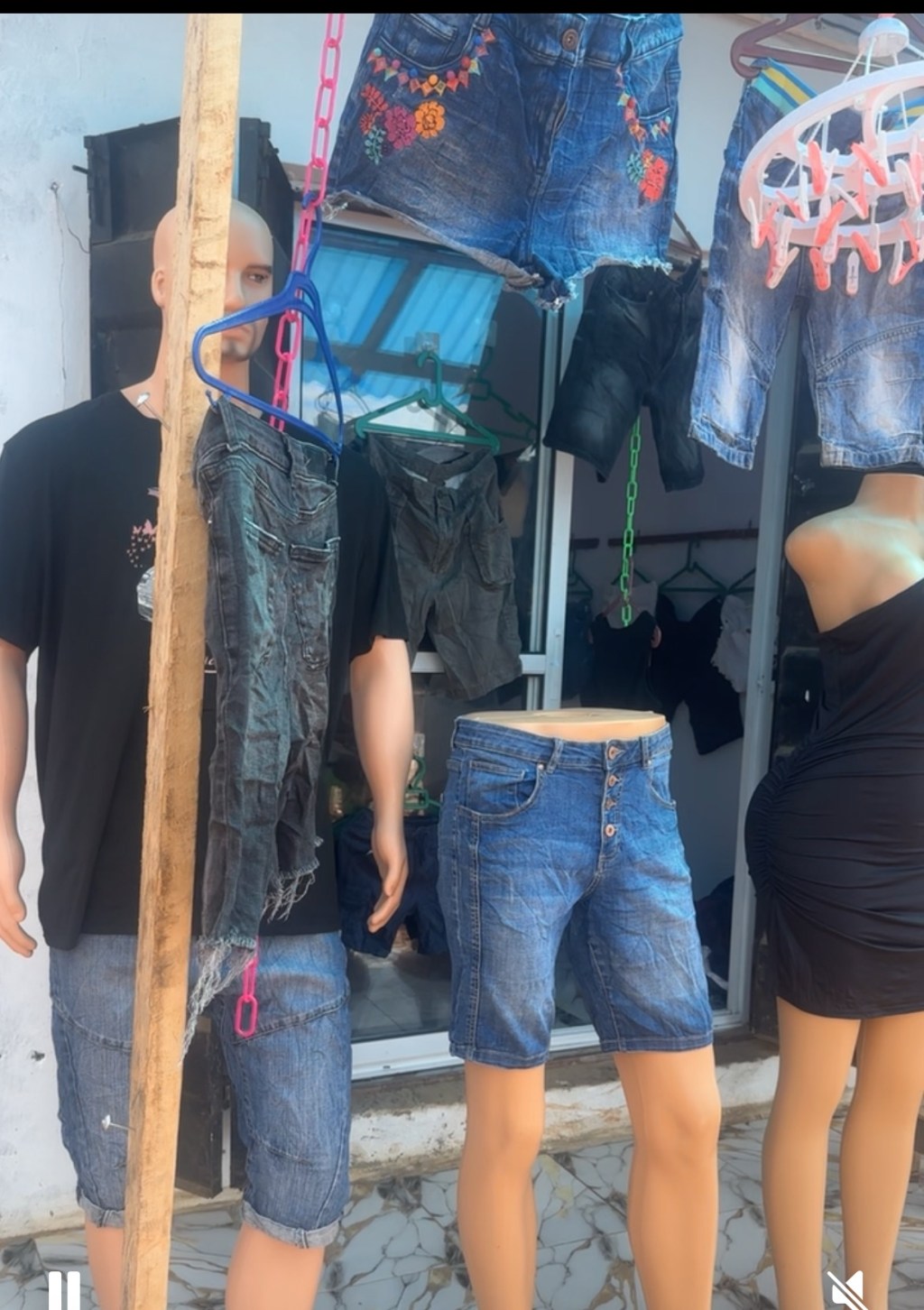
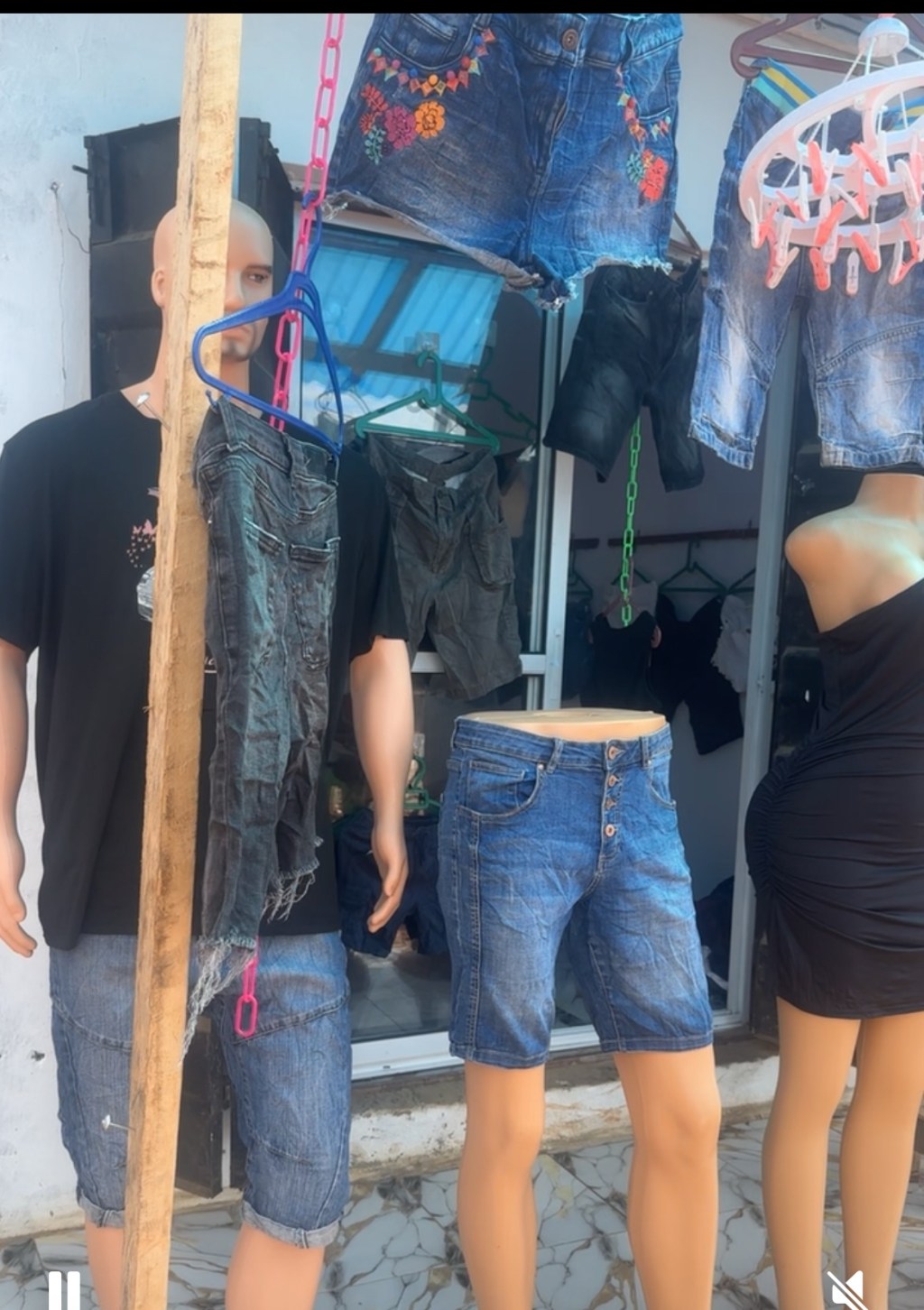
    Samples of Thrift On The Market Area

    How to Start a Thrift Business in Nigeria With Small Capital

  • How to Start an Okrika Business in Nigeria with Less Than ₦50,000

    How to Start an Okrika Business in Nigeria with Less Than ₦50,000

    Starting a thrift business in Nigeria is one of the most practical ways to enter the fashion industry with little capital. In this article, you’ll learn how to start, source quality items, price your products, and sell successfully both online and offline.

    How to Start a Thrift Business in Nigeria With Small Capital

    Many beginners believe a business plan must be complicated, full of big grammar and financial terms. Because of this belief, they delay starting anything meaningful. The truth is simple: a business plan is not about impressing people. It is about giving your business direction.

    If you are a beginner, your business plan should be clear, realistic, and flexible. You are not predicting the future; you are preparing your mind.

    This article breaks down a simple business plan any beginner can understand and use.

    1. Understand Why You Want to Start the Business

    Before money, before products, before social media, ask yourself one honest question: Why do I want to start this business?

    Some people want freedom from daily expenses.

    Some want extra income.

    Some want long-term stability.

    Your reason matters because it will guide your decisions when challenges show up. A business started because of pressure will collapse under pressure. A business started with clarity survives tough seasons.

    Write your reason down in one or two sentences. Keep it simple and real.

    2. Identify the Problem You Are Solving

    Every successful business solves a problem. Beginners often make the mistake of focusing only on what they want to sell, not what people actually need.

    Instead of saying, “I want to sell food,” ask:

    What food problem am I solving? Convenience? Affordability? Quality? Availability?

    The clearer the problem, the easier it is to attract customers.

    People do not buy products. They buy solutions.

    3. Define Your Product or Service Clearly

    Now describe what you are offering in simple language.

    If someone who knows nothing about business reads your description, they should understand it immediately.

    Avoid long explanations. Focus on:

    What you sell Who it is for How it helps them

    For example, instead of saying “I run a food business,” say:

    “I prepare affordable home-style meals for busy workers who don’t have time to cook.”

    Clarity builds trust.

    4. Know Your Target Customers

    Beginners often say, “Everyone is my customer.” That is rarely true.

    You must decide:

    Who needs your product most? Where are they located? How do they currently solve this problem?

    Your customers could be students, workers, parents, small business owners, or online users. Each group behaves differently and spends money differently.

    When you know your customer, marketing becomes easier and cheaper.

    5. Study Your Competition Without Fear

    Competition is not your enemy. Ignorance is.

    Look at people already doing similar businesses and study:

    What they do well What customers complain about Their pricing style Their customer communication

    Do not copy blindly. Learn what works and improve where they are weak.

    A beginner who studies competition grows faster than one who ignores it.

    6. Set Simple and Realistic Goals

    Your business plan must include goals, but they should be realistic.

    Avoid goals like:

    “I want to make millions in three months.”

    Instead, set goals like:

    First 5 customers First consistent weekly income First month without losses

    Small wins build confidence and momentum.

    Business grows step by step, not by wishes.

    7. Plan Your Basic Operations

    This part answers the question: How will this business run daily?

    Think about:

    Where you will operate from How you will get supplies How customers will place orders How delivery or service will happen

    You don’t need perfection. You need structure.

    A simple system beats confusion every time.

    8. Understand Your Costs and Pricing

    Many beginners fail because they don’t understand their numbers.

    List your basic costs:

    Supplies Transportation Data or communication Packaging Tools or equipment

    Then decide your pricing carefully. Your price should:

    Cover your costs Leave room for profit Still be attractive to customers

    Profit is not greed. Profit is survival.

    9. Decide How You Will Promote the Business

    Marketing does not mean shouting everywhere. It means showing your business to the right people.

    As a beginner, focus on:

    Social media (Facebook, WhatsApp, Instagram) Word of mouth Consistent posting Honest storytelling

    People connect with stories more than adverts.

    Be visible, be helpful, and be consistent.

    10. Accept That Learning Is Part of the Plan

    No beginner gets everything right at the start. Mistakes will happen. Losses may come. Confusion is normal.

    Your business plan should include one important mindset:

    “I am willing to learn, adjust, and grow.”

    Flexibility is power in business.

    Those who refuse to learn eventually quit. Those who learn stay profitable.

    Final Thoughts

    A business plan does not need to be perfect to be powerful. It needs to be clear, honest, and actionable.

    If you are a beginner, stop waiting for confidence. Confidence comes from action.

    Start small. Plan simply. Learn daily. Improve gradually.

    That is how real businesses are built.

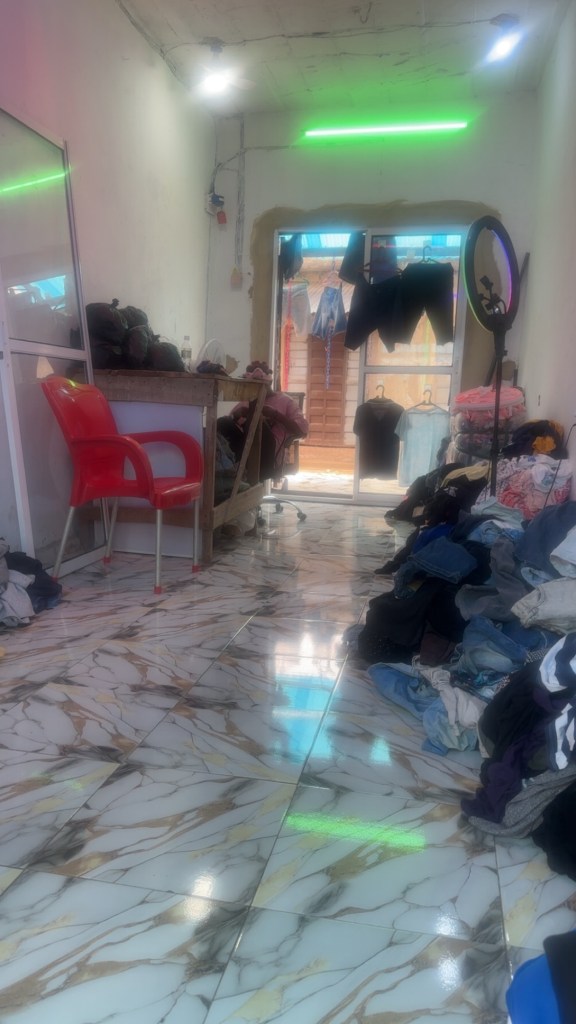
    I Thrift Shop that has chair and clothes on the floor