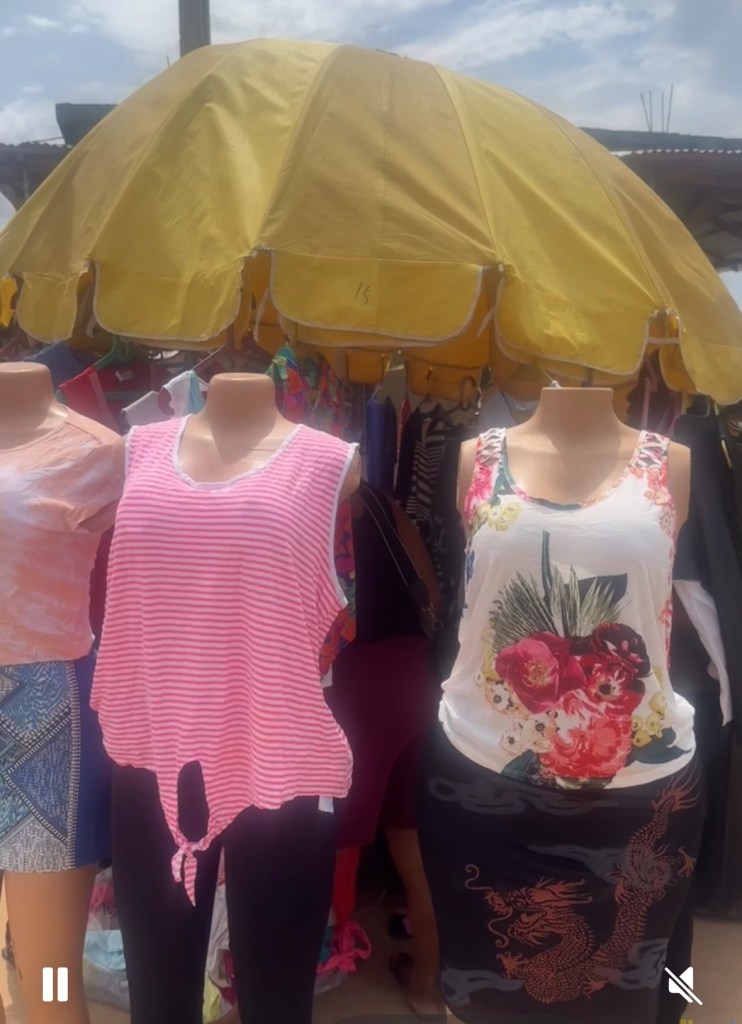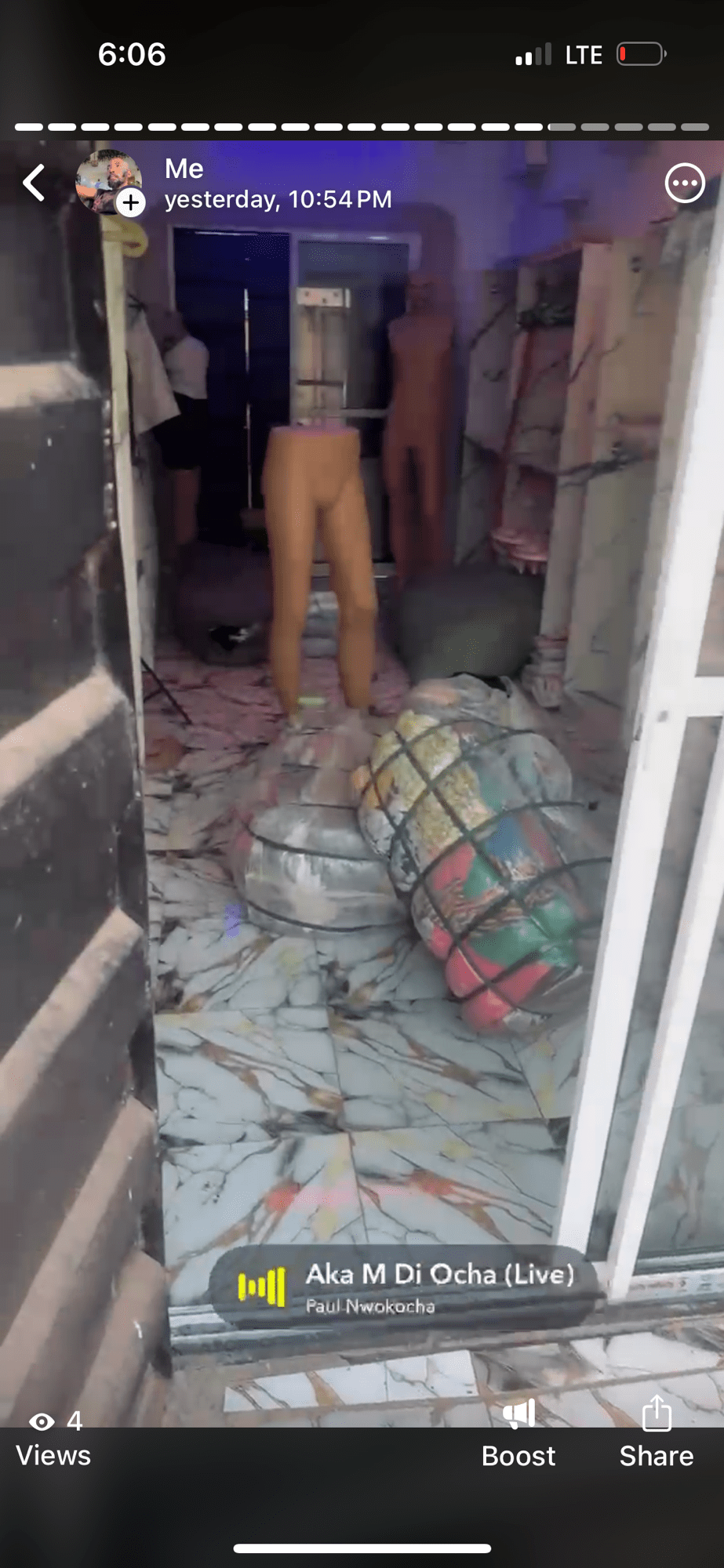
Tag: Okrika

  • 100 Reasons Why a Beginner Should Consider Okrika Business in Nigeria

    100 Reasons Why a Beginner Should Consider Okrika Business in Nigeria

    The (Okrika) business in Nigeria has become one of the most practical and profitable low-capital businesses for beginners.

    With rising demand for affordable fashion and increasing interest in sustainable clothing, thrift business continues to grow across cities and online platforms.

    If you’re thinking about starting a business but feel confused or financially limited, here are 100 strong reasons why thrift business might be your best starting point.

    Low Capital Advantage

    You can start with small capital.

    You don’t need millions to begin.

    Bale sharing reduces startup cost.

    You can test the market with few pieces.

    It’s beginner-friendly.

    You can grow gradually.

    Low financial risk.

    No expensive equipment required.

    No shop needed at the beginning.

    You can start from home.

    High Demand in Nigeria

    Nigerians love affordable fashion.

    Economic situation increases demand for cheaper clothes.

    Students buy thrift regularly.

    Young professionals prefer stylish thrift pieces.

    Parents buy thrift for children.

    Fashion lovers hunt for unique items.

    Social media boosts thrift popularity.

    Trendy thrift pieces sell fast.

    Every season creates demand.

    Both males and females are customers.

    Quick Turnover & Profit Potential

    Clothes are easy to sell daily.

    You can price items for profit margin.

    Some pieces sell 2–3x purchase cost.

    Branded items bring higher returns.

    You can sell premium picks at premium prices.

    Fast-moving products improve cash flow.

    Impulse buying increases sales.

    Bulk buying increases profit.

    Accessories add extra income.

    Repeat customers boost revenue.

    Flexible Business Model

    Sell online on WhatsApp.

    Sell via Instagram.

    Sell through Facebook Marketplace.

    Open a physical store later.

    Combine online and offline sales.

    Sell through live sessions.

    Offer delivery services.

    Do pre-order system.

    Partner with vendors.

    Run flash sales.

    Easy to Learn

    No special degree required.

    You learn by doing.

    Sorting improves with experience.

    Pricing becomes easier over time.

    Customer service skills improve daily.

    Fashion sense develops naturally.

    You understand trends quickly.

    You learn negotiation skills.

    You build sales confidence.

    You gain entrepreneurial experience.

    Growth Opportunities

    Start small, expand big.

    Move from mini-bales to full bales.

    Open a boutique.

    Add new clothing categories.

    Expand to other cities.

    Supply smaller resellers.

    Create your own thrift brand.

    Launch an online thrift store website.

    Build strong social media presence.

    Become a fashion influencer.

    Low Operating Costs

    No heavy electricity dependence.

    No machinery cost.

    No factory rent.

    Minimal staff needed at start.

    Marketing can be organic.

    Social media promotion is cheap.

    No manufacturing cost.

    No production delay.

    No complex logistics.

    Easy inventory storage.

    High Scalability

    Add more product categories.

    Introduce shoes and bags.

    Add luxury thrift collection.

    Sell corporate wears.

    Add children’s section.

    Introduce seasonal collections.

    Offer bundle deals.

    Offer wholesale supply.

    Expand to export market.

    Create franchise opportunities.

    Social & Environmental Benefits

    Promotes clothing recycling.

    Reduces fashion waste.

    Encourages sustainable fashion.

    Makes fashion accessible.

    Supports low-income families.

    Reduces environmental pollution.

    Extends clothing lifespan.

    Encourages responsible consumption.

    Promotes creativity in styling.

    Encourages smart spending.

    Personal Development Benefits

    Builds discipline.

    Teaches patience.

    Improves communication skills.

    Builds negotiation ability.

    Develops customer relationship skills.

    Increases financial management skills.

    Boosts self-confidence.

    Encourages independence.

    Provides daily business experience.

    Can become your full-time income source.

    Final Thoughts

    The thrift (Okrika) business is not just about selling second-hand clothes.

    It is about spotting value, identifying trends, understanding customers, and building relationships.

    For beginners in Nigeria especially, thrift business offers:

    Low entry barrier

    High demand market

    Flexible selling options

    Growth potential

    Real profit opportunity

    It is one of the simplest ways to step into entrepreneurship without waiting for “big capital.”

    If you are serious, disciplined, and willing to learn, thrift business can move from side hustle to sustainable enterprise.

    The opportunity is here.

    The question is:

    Will you take action?
  • Okrika Business for Beginners: Your Step-by-Step Starting Guide

    Okrika Business for Beginners: Your Step-by-Step Starting Guide

    Starting a business in Nigeria doesn’t always require huge capital.

    One of the most affordable and profitable businesses you can start today is the Okrika business.

    On Business Ideas NG, we focus on practical and realistic business ideas. In this guide, you’ll learn how to start an Okrika business in Nigeria step-by-step, even if you’re a complete beginner.

    What Is Okrika Business?

    Okrika business involves buying fairly used clothes, shoes, or accessories at low prices and reselling them for profit. In Nigeria, Okrika items are popular because they are:

    Affordable

    Durable

    Often of foreign quality

    This makes the business highly demanded across different income levels.

    Why Okrika Business Is Profitable in Nigeria

    Here’s why many people are succeeding with Okrika business:

    Low startup capital

    Fast turnover

    High demand all year-round

    Flexible selling options (offline & online)

    With the right approach, you can start small and grow steadily.

    Step-by-Step Guide to Starting a Thrift Business in Nigeria

    1️⃣ Decide What to Sell

    Start by choosing one category:

    Men’s clothes

    Women’s clothes

    Children’s wear

    Shoes or bags

    Starting with one niche helps you focus and reduce mistakes.

    2️⃣ Get Startup Capital

    You can start a thrift business with as little as:

    ₦20,000 – ₦50,000 (very small scale)

    ₦100,000 and above (better options)

    The key is to start within your budget.

    3️⃣ Find a Reliable Supplier

    Popular thrift markets in Nigeria include:

    Katangua Market (Lagos)

    Ariaria Market (Aba)

    Tejuosho Market (Lagos)

    If you can’t travel, you can buy from trusted middlemen, but always verify quality first.

    4️⃣ Sort, Wash, and Package Properly

    This is where many sellers fail.

    To stand out:

    Wash and iron clothes

    Sort by size and quality

    Remove damaged items

    Package neatly

    Clean presentation helps you sell faster and at higher prices.

    5️⃣ Price for Profit

    Don’t underprice yourself.

    Consider:

    Cost price

    Transport

    Packaging

    Desired profit

    Always leave room for small negotiations.

    6️⃣ Choose Where to Sell

    You can sell through:

    Local markets

    Facebook Marketplace

    WhatsApp Status

    Instagram

    For beginners, WhatsApp and Facebook work best.

    Common Mistakes Beginners Should Avoid

    Buying unsorted bales without experience

    Selling dirty or wrinkled clothes

    Copying prices blindly

    Giving goods on credit

    Not tracking expenses

    Avoiding these mistakes saves you money and stress.

    Is Thrift Business Worth It?

    Yes — if done correctly.

    Thrift business rewards:

    Patience

    Consistency

    Smart buying decisions

    It may not make you rich overnight, but it can build steady income over time.

    Final Thoughts

    Thrift (Okrika) business is one of the most beginner-friendly businesses in Nigeria. You don’t need perfection to start — you need action and consistency.

    On Business Ideas NG, we share practical guides to help you start small and grow with confidence.

    👉 Explore more business ideas on this blog

    👉 Follow or subscribe for regular updates

    Start where you are. Grow at your pace.

  • How to Source Quality Okrika Clothes and Price Them for Maximum Profit

    How to Source Quality Okrika Clothes and Price Them for Maximum Profit

    Starting a business in Nigeria does not always require huge capital.

    In fact, some of the most profitable businesses today are built on simple ideas, smart sourcing, and consistency. One such businesses is the Okrika business. Over the years, thrift clothing has grown from being seen as a “low-budget option” to a smart and profitable business that serves millions of Nigerians daily.

    If you are looking for a business you can start with small capital, grow steadily, and scale over time, the thrift business is one option you should seriously consider.

    In this guide, I will walk you through everything you need to know to start a profitable thrift business in Nigeria, even if you are a complete beginner.

    What Is the Okrika Business?

    Thrift business, popularly known as Okrika in Nigeria, involves buying fairly used clothes, shoes, bags, or accessories at low prices and reselling them for profit. These items are often imported in bales or bundles from countries like the UK, USA, and Canada.

    Many people prefer thrift items because:

    They are affordable They are often durable Some are branded or foreign-made They offer better value for money

    This consistent demand makes thrift business a reliable source of income.

    Why Thrift Business Is Profitable in Nigeria

    There are several reasons why thrift business works so well in Nigeria:

    High demand: People wear clothes every day, and many prefer cheaper but quality options. Low startup capital: You can start small and grow gradually. Fast turnover: Good items sell quickly, especially if priced correctly. Flexible selling options: Online, offline, or both. Scalable: You can move from small bundles to full bales over time.

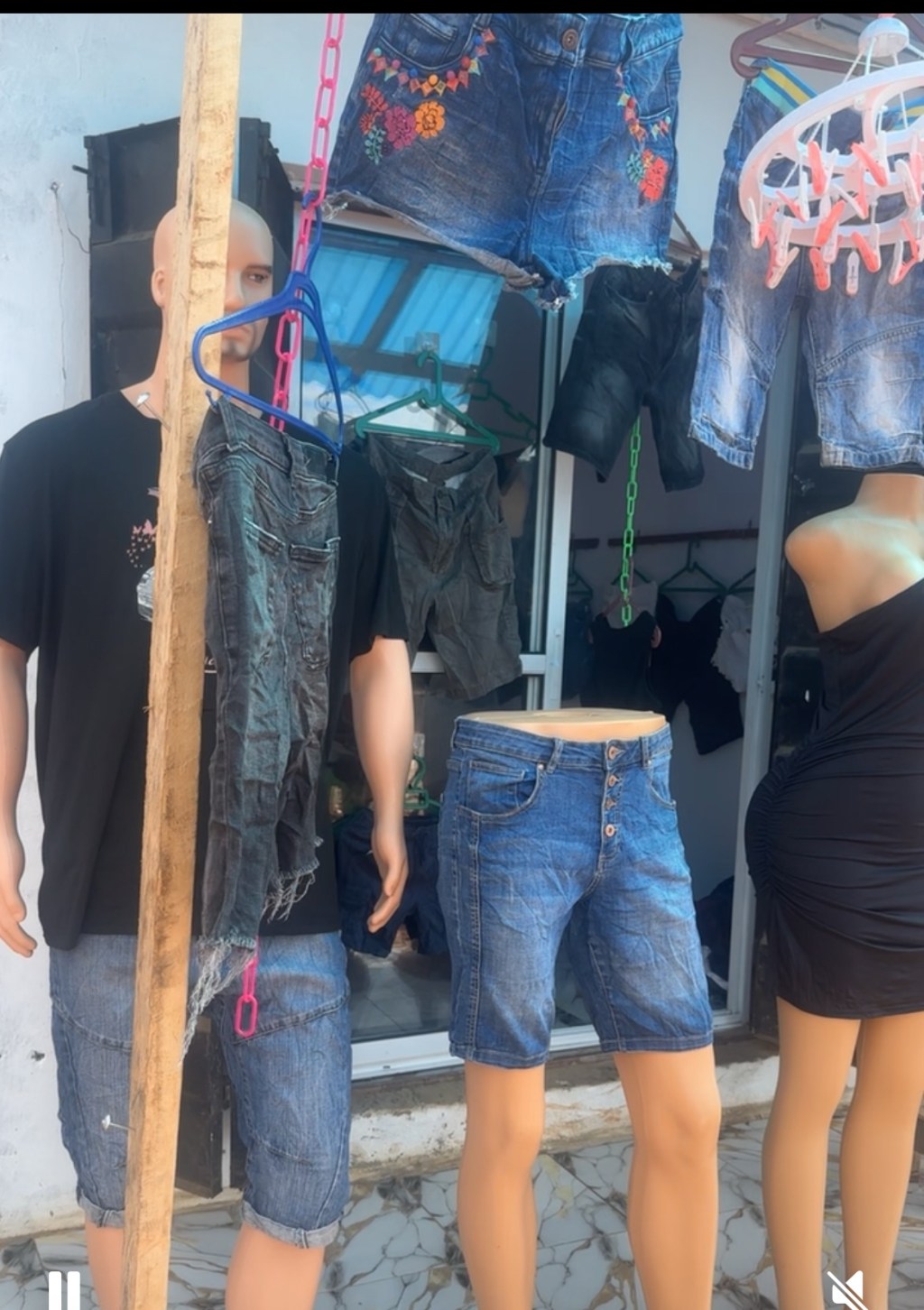
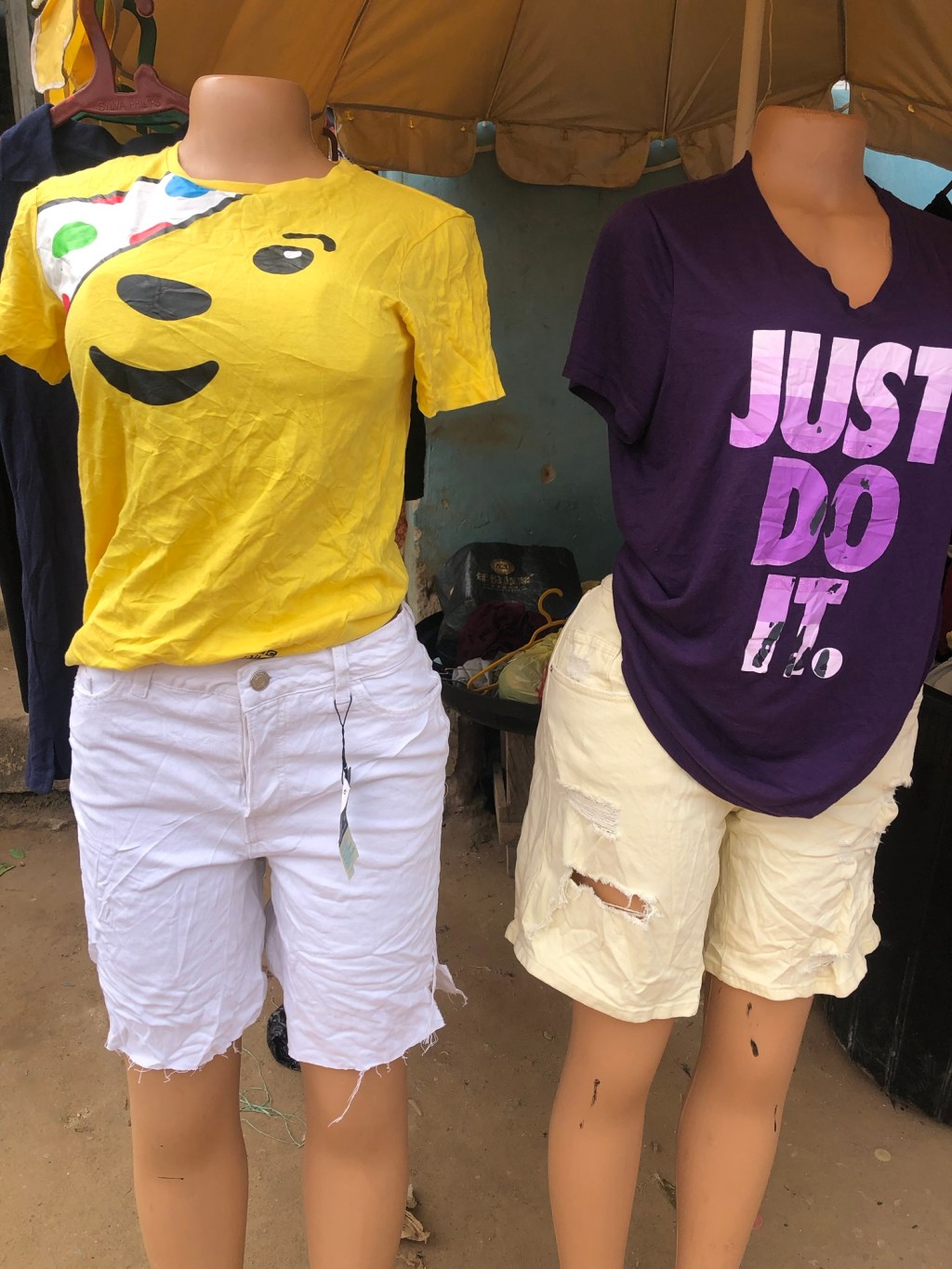
    Roadside Stand.

    How Much Capital Do You Need to Start?

    One of the best things about thrift business is that you can start at almost any level.

    ₦20,000 – ₦30,000: Small bundles or selected pieces ₦50,000 – ₦100,000: Medium bundles or half bales ₦150,000 and above: Full bales and better quality items

    The key is not how much you start with, but how well you manage and sell what you buy.

    Where to Buy Thrift (Okrika) Items in Nigeria

    Getting the right supplier is one of the most important steps in thrift business.

    Common places to buy thrift items:

    Popular local markets (depending on your state) Major okrika markets in big cities Online thrift suppliers on WhatsApp, Facebook, or Instagram Direct bale importers and distributors

    When buying, always:

    Start small Ask questions Check reviews if buying online Avoid rushing into “cheap” deals without proof

    How to Choose Profitable Thrift Items

    Not all thrift items sell fast. Successful thrift sellers focus on hot-demand items.

    Examples of fast-selling items:

    Jeans and trousers Corporate shirts and blouses Gowns and dresses Jackets and hoodies Children’s clothes Shoes, especially sneakers Handbags and backpacks

    Avoid buying items you personally like but people don’t commonly buy. Business is about market demand, not personal taste.

    Pricing Strategy: How to Make Profit

    Pricing can make or break your thrift business.

    Simple pricing tips:

    Add your cost price + transport + small profit Study what others sell similar items for Don’t overprice because of emotions Don’t underprice and kill your profit

    Sometimes selling slightly cheaper helps you build customers faster, especially when starting.

    How to Sell Your Thrift Items

    You don’t need a physical shop to start.

    Online selling options:

    WhatsApp status Facebook Marketplace Facebook groups Instagram page Personal contacts

    Offline selling options:

    Small roadside stand Shared shop Open markets Door-to-door (in some areas)

    Many successful thrift sellers combine online and offline sales.

    Common Mistakes Beginners Make

    To save yourself losses, avoid these mistakes:

    Buying too many items at once Not checking items properly Poor pricing Ignoring customer feedback Mixing business money with personal money Expecting instant success

    Thrift business rewards patience and consistency.

    Tools and Resources That Help (This is for Monetization Programs in Thrift (Okrika) Business

    As you grow, certain tools can help you manage and scale your thrift business:

    Simple bookkeeping tools Social media design tools Online business courses Business strategy books

    (This space is for affiliate links later.) yes, you will have access to affiliate links from my blog. This is to early keep you informed.

    Final Thoughts

    Thrift (okrika) business is not a get-rich-quick scheme, but it is a real and practical business that has helped many Nigerians earn steady income. With the right knowledge, smart sourcing, and consistency, you can turn it into a profitable venture.

    The most important step is starting — even if it’s small.

    Have you tried thrift business before, or are you planning to start?

    Drop your questions or experiences in the comments below.

    If you would like a step-by-step thrift business checklist, supplier tips, or personal guidance, let me know in the comments as well.

    Nnamdi Snr On sunglasses and relaxing
  • How to Start an Okrika Business in Nigeria with Less Than ₦50,000

    How to Start an Okrika Business in Nigeria with Less Than ₦50,000

    Starting a thrift business in Nigeria is one of the most practical ways to enter the fashion industry with little capital. In this article, you’ll learn how to start, source quality items, price your products, and sell successfully both online and offline.

    How to Start a Thrift Business in Nigeria With Small Capital

    Many beginners believe a business plan must be complicated, full of big grammar and financial terms. Because of this belief, they delay starting anything meaningful. The truth is simple: a business plan is not about impressing people. It is about giving your business direction.

    If you are a beginner, your business plan should be clear, realistic, and flexible. You are not predicting the future; you are preparing your mind.

    This article breaks down a simple business plan any beginner can understand and use.

    1. Understand Why You Want to Start the Business

    Before money, before products, before social media, ask yourself one honest question: Why do I want to start this business?

    Some people want freedom from daily expenses.

    Some want extra income.

    Some want long-term stability.

    Your reason matters because it will guide your decisions when challenges show up. A business started because of pressure will collapse under pressure. A business started with clarity survives tough seasons.

    Write your reason down in one or two sentences. Keep it simple and real.

    2. Identify the Problem You Are Solving

    Every successful business solves a problem. Beginners often make the mistake of focusing only on what they want to sell, not what people actually need.

    Instead of saying, “I want to sell food,” ask:

    What food problem am I solving? Convenience? Affordability? Quality? Availability?

    The clearer the problem, the easier it is to attract customers.

    People do not buy products. They buy solutions.

    3. Define Your Product or Service Clearly

    Now describe what you are offering in simple language.

    If someone who knows nothing about business reads your description, they should understand it immediately.

    Avoid long explanations. Focus on:

    What you sell Who it is for How it helps them

    For example, instead of saying “I run a food business,” say:

    “I prepare affordable home-style meals for busy workers who don’t have time to cook.”

    Clarity builds trust.

    4. Know Your Target Customers

    Beginners often say, “Everyone is my customer.” That is rarely true.

    You must decide:

    Who needs your product most? Where are they located? How do they currently solve this problem?

    Your customers could be students, workers, parents, small business owners, or online users. Each group behaves differently and spends money differently.

    When you know your customer, marketing becomes easier and cheaper.

    5. Study Your Competition Without Fear

    Competition is not your enemy. Ignorance is.

    Look at people already doing similar businesses and study:

    What they do well What customers complain about Their pricing style Their customer communication

    Do not copy blindly. Learn what works and improve where they are weak.

    A beginner who studies competition grows faster than one who ignores it.

    6. Set Simple and Realistic Goals

    Your business plan must include goals, but they should be realistic.

    Avoid goals like:

    “I want to make millions in three months.”

    Instead, set goals like:

    First 5 customers First consistent weekly income First month without losses

    Small wins build confidence and momentum.

    Business grows step by step, not by wishes.

    7. Plan Your Basic Operations

    This part answers the question: How will this business run daily?

    Think about:

    Where you will operate from How you will get supplies How customers will place orders How delivery or service will happen

    You don’t need perfection. You need structure.

    A simple system beats confusion every time.

    8. Understand Your Costs and Pricing

    Many beginners fail because they don’t understand their numbers.

    List your basic costs:

    Supplies Transportation Data or communication Packaging Tools or equipment

    Then decide your pricing carefully. Your price should:

    Cover your costs Leave room for profit Still be attractive to customers

    Profit is not greed. Profit is survival.

    9. Decide How You Will Promote the Business

    Marketing does not mean shouting everywhere. It means showing your business to the right people.

    As a beginner, focus on:

    Social media (Facebook, WhatsApp, Instagram) Word of mouth Consistent posting Honest storytelling

    People connect with stories more than adverts.

    Be visible, be helpful, and be consistent.

    10. Accept That Learning Is Part of the Plan

    No beginner gets everything right at the start. Mistakes will happen. Losses may come. Confusion is normal.

    Your business plan should include one important mindset:

    “I am willing to learn, adjust, and grow.”

    Flexibility is power in business.

    Those who refuse to learn eventually quit. Those who learn stay profitable.

    Final Thoughts

    A business plan does not need to be perfect to be powerful. It needs to be clear, honest, and actionable.

    If you are a beginner, stop waiting for confidence. Confidence comes from action.

    Start small. Plan simply. Learn daily. Improve gradually.

    That is how real businesses are built.

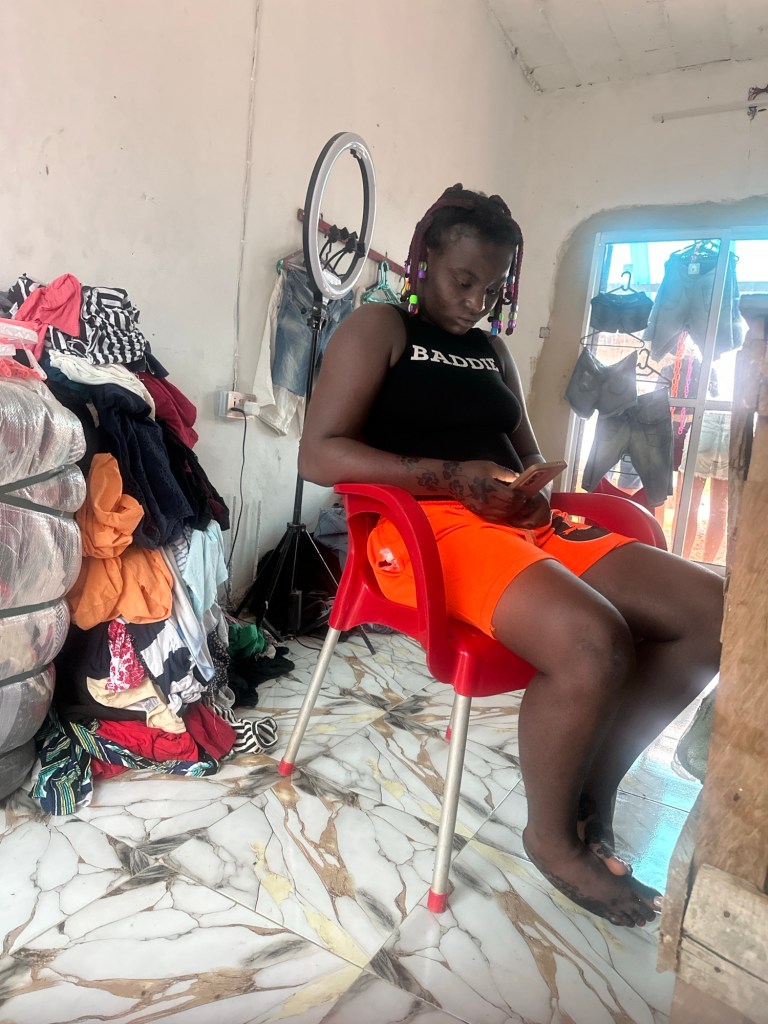
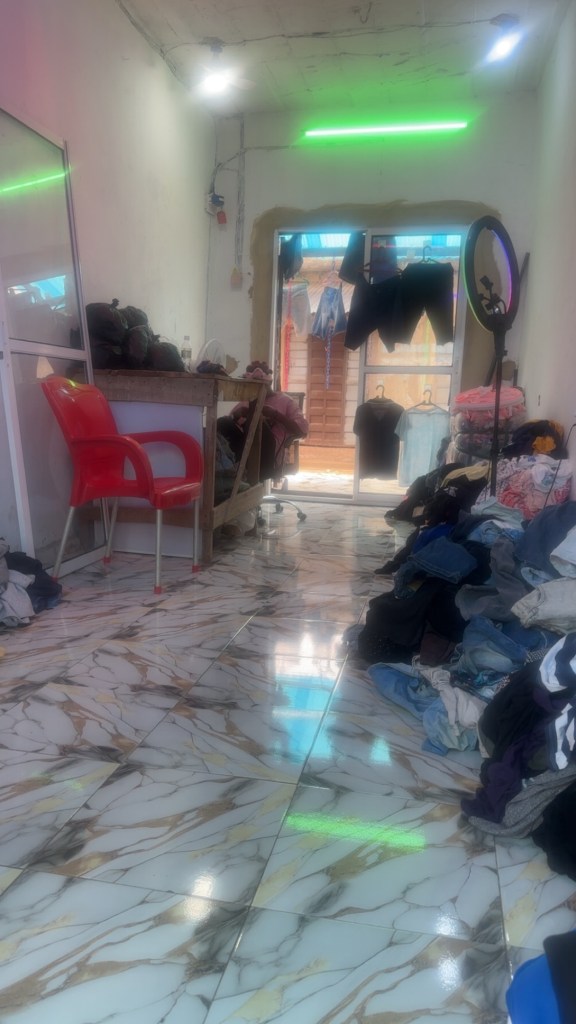
    I Thrift Shop that has chair and clothes on the floor
  • A Complete Guide to Starting a Successful Okrika Thrift Business in Nigeria

    A Complete Guide to Starting a Successful Okrika Thrift Business in Nigeria

    The thrift clothing business, popularly known in Nigeria as Okrika, has grown into one of the most profitable small businesses anyone can start with relatively low capital. Across many Nigerian markets, thrift clothing continues to attract customers because it offers quality fashion at affordable prices.

    Many people assume the Okrika business is only for market traders, but the reality is that anyone with basic business sense and consistency can build a thriving thrift clothing brand. In fact, some entrepreneurs now sell thrift clothing online through social media platforms and make impressive profits monthly.

    If you are considering starting a thrift business, this guide will walk you through the essential steps required to establish a successful Okrika business from scratch.

    Understanding the Okrika Business

    Okrika refers to fairly used clothes imported from countries such as the United States, United Kingdom, and Canada. These clothes are often donated or resold abroad and later shipped to African markets where they are sorted and sold in bundles.

    The business works because the clothes are often high-quality international brands that many people cannot easily afford when new. When resold at affordable prices, they become attractive to customers who want style without spending too much money.

    The demand for thrift clothing continues to grow because:

    Many people prefer affordable fashion. Quality used clothes often last longer than some new cheap clothes. Fashion lovers enjoy finding unique pieces. Reselling thrift clothes is profitable for small entrepreneurs.

    Understanding this demand is the first step to building a successful thrift business.

    Conduct Market Research

    Before investing your money, it is important to study the market around you.

    Visit major thrift markets in your area and observe:

    The types of clothes people buy most The price range customers accept The busiest days in the market How experienced sellers display their products

    This simple research will help you identify what sells quickly.

    For example, some locations sell more:

    Jeans T-shirts Corporate wear Female dresses Children’s clothing Sneakers and jackets

    Knowing your target market will help you invest in the right products.

    Raise Your Startup Capital

    One of the biggest advantages of the Okrika business is that you can start small and grow gradually.

    Startup capital can vary depending on your approach.

    For example:

    Small scale sellers may start with:

    ₦30,000 – ₦100,000 for selected pieces

    Medium scale sellers may invest:

    ₦150,000 – ₦400,000 for bundles

    Larger sellers who buy multiple bales may invest:

    ₦500,000 or more

    Aside from buying clothes, you may also need funds for:

    Transportation Store rent or market space Hangers and display racks Laundry and ironing Packaging materials

    Proper budgeting will help you avoid unnecessary financial pressure in the early stage.

    Find Reliable Suppliers

    Your supplier determines the quality of your thrift business. Good suppliers provide clean, fashionable and high-grade clothing bundles.

    In Nigeria, many traders buy from major distribution markets such as:

    Yaba Market in Lagos Katangua Market in Lagos Aba Market in Abia State Onitsha Market in Anambra State

    These markets are known for bulk thrift clothing distribution.

    When choosing a supplier:

    Ask about bale grade (Grade A, B, or C) Inspect goods if possible Buy from trusted dealers Start small until you confirm quality

    Building strong relationships with reliable suppliers will help you maintain consistency in your business.

    Learn How to Sort and Select Clothes

    Successful thrift sellers know how to carefully sort their goods.

    When you open a bale or bundle, separate items into categories such as:

    Premium items Average quality items Damaged items

    Premium items should be sold at higher prices because customers are willing to pay more for good quality fashion pieces.

    Average items can be sold at moderate prices.

    Damaged items should either be repaired or sold at clearance prices.

    Sorting properly ensures you maximize profit from each bundle.

    Clean and Prepare Your Products

    Presentation plays a major role in attracting customers.

    Even though thrift clothes are fairly used, they should always look clean, neat, and fresh before being displayed.

    You should:

    Wash the clothes Iron them properly Repair small damages Remove stains if possible Fold or hang them neatly

    Customers are more likely to buy clothes that look fresh and attractive.

    This simple step alone can significantly increase your sales.

    Choose the Right Selling Location

    Location is another important factor in the success of your thrift business.

    Some sellers operate from:

    Open markets Small roadside shops Fashion boutiques Social media platforms

    If you are starting with limited capital, you can begin with a small market stall or roadside stand.

    However, many modern thrift entrepreneurs now combine offline and online selling.

    You can showcase your products on:

    Facebook WhatsApp Instagram TikTok

    Selling online allows you to reach more customers beyond your physical location.

    Develop Smart Pricing Strategies

    Pricing determines how fast your products sell.

    A common mistake new thrift sellers make is overpricing their goods.

    Instead of focusing on high profit per item, focus on quick turnover.

    For example:

    Premium jackets can sell for higher prices. Simple T-shirts should be priced moderately. Clearance items should be sold cheaply to attract buyers.

    You can also introduce strategies such as:

    “Pick any for ₦1,000” Weekend discounts Bundle deals

    These offers attract crowds and help you clear stock faster.

    Build Strong Customer Relationships

    Customer loyalty is one of the biggest secrets in the thrift business.

    Happy customers often return regularly and also refer others.

    To build strong relationships:

    Treat customers politely Allow them to inspect items Offer small discounts occasionally Notify them when new goods arrive

    Many successful thrift sellers now have regular buyers who wait for their next bale opening.

    When customers trust your quality, they will always come back.

    Use Social Media for Marketing

    Social media has transformed the thrift business in recent years.

    Some sellers now make significant income simply by posting thrift clothes online.

    You can market your products by:

    Posting pictures of new arrivals Creating short videos of your collection Running promotional offers Hosting live sales

    Live sales are particularly effective because customers can see the clothes in real time and buy instantly.

    With consistency, social media can help you grow beyond a local market seller into a recognized thrift brand.

    Manage Your Business Finances Properly

    No matter how small your thrift business is, financial discipline is essential.

    Always separate:

    Business money Personal spending

    Track:

    Cost of goods Daily sales Profit margins

    Keeping simple records will help you understand whether your business is growing or not.

    Many small businesses fail not because they lack customers, but because they lack financial management.

    Be Consistent and Patient

    Like every business, the thrift business requires patience.

    Some days sales may be slow, while other days you may sell out your entire stock.

    Consistency is what eventually builds success.

    Focus on:

    Restocking regularly Maintaining quality Treating customers well Improving your marketing

    Over time, your reputation will grow and your business will attract more buyers.

    Final Thoughts

    The thrift clothing business remains one of the most accessible and profitable small businesses in Nigeria. With proper planning, smart sourcing, and good customer service, anyone can build a successful Okrika business.

    The key is to start small, learn the market, and remain consistent in delivering quality products to customers.

    Remember that every successful trader you see today once started with just a few clothes on a rack. What matters most is your willingness to learn, adapt, and grow your business step by step.

    If you apply the strategies shared in this guide, you can transform a simple thrift clothing hustle into a reliable source of income and long-term financial stability.

    Nnamdi Snr, founder of Business Ideas NG, dressed professionally in a white shirt and red tie