
Tag: Nigerian Entrepreneurs

  • Okrika Business Plan: A Complete Proposal Template for Nigerian Entrepreneurs

    Okrika Business Plan: A Complete Proposal Template for Nigerian Entrepreneurs

    Starting a thrift business in Nigeria is not just a small hustle; it is a smart response to the realities of the Nigerian economy. With rising inflation, increased cost of living, and a growing population of fashion-conscious youths, thrift business—popularly known as Okrika, bend-down-select, or second-hand clothing—has evolved into a profitable and sustainable venture. This proposal explains the full journey of a thrift business in Nigeria, from the idea stage to sourcing, branding, selling, and long-term growth.

    Introduction to Thrift Business in Nigeria
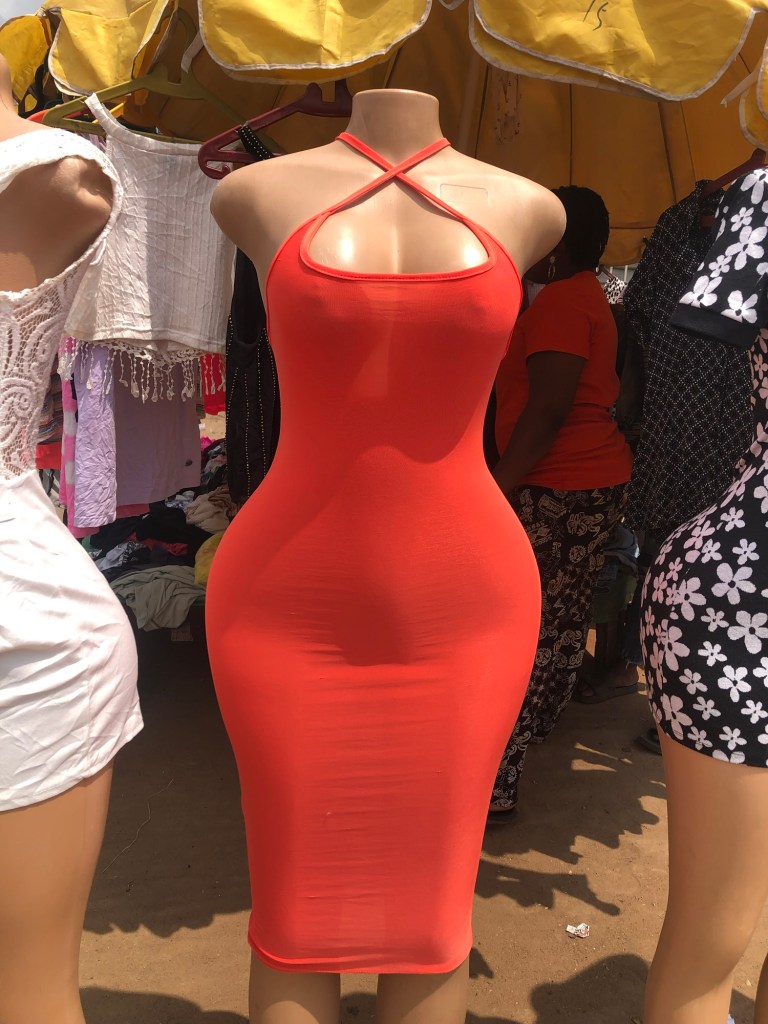
    The thrift business involves buying fairly used items—mainly clothes, shoes, bags, and accessories—and reselling them at affordable prices. In Nigeria, thrift items are no longer seen as a sign of poverty. Instead, they are now associated with smart spending, unique fashion taste, and even luxury, as many thrift items are foreign brands that are expensive when bought new.

    Young people, students, working-class Nigerians, and even entrepreneurs now patronize thrift sellers regularly. This shift in perception makes the thrift business a strong business opportunity with low startup capital and high turnover when done correctly.

    Business Idea and Objectives

    The main idea of this thrift business is to source quality second-hand clothing and accessories, carefully select sellable items, and market them to Nigerians who want affordable yet stylish fashion. The objectives of the business include:
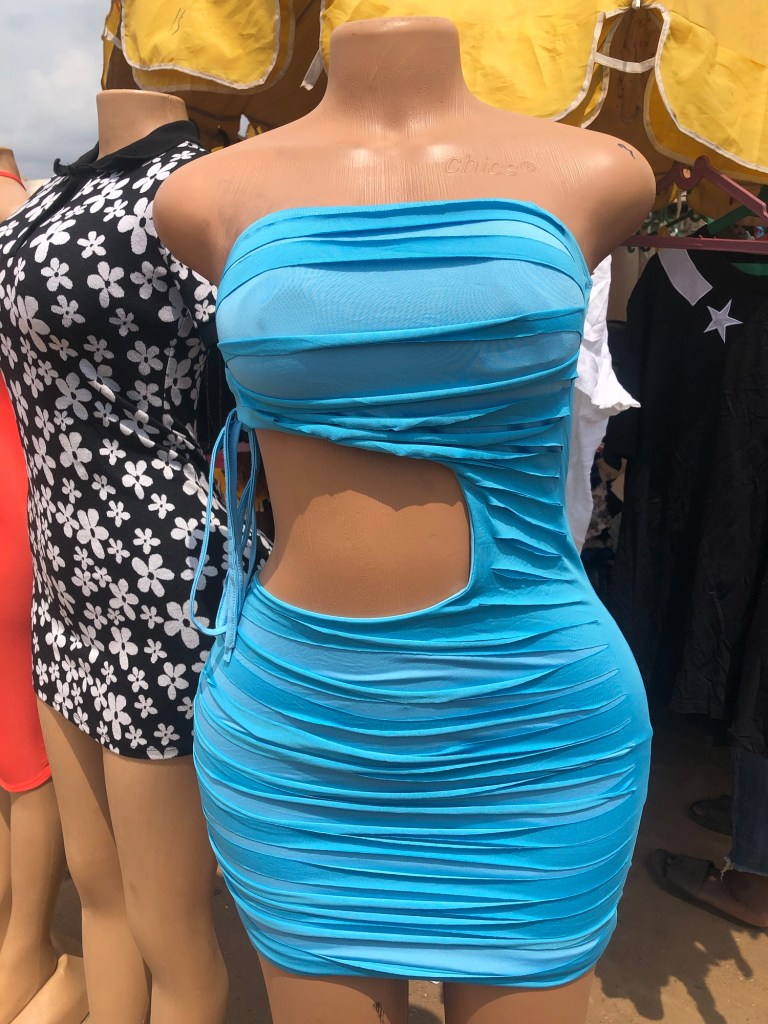
    Providing affordable and quality clothing to customers Creating a profitable and scalable business model Building a trusted brand in the thrift market Leveraging online platforms to reach a wider audience Generating steady income and employment opportunities

    This business aims to start small and grow steadily, focusing on quality, consistency, and customer satisfaction.

    Market Analysis

    Nigeria has a massive market for thrift items. The population is large, youthful, and fashion-driven. Many Nigerians want to look good without spending excessively, and thrift items provide that solution. Markets such as Yaba, Aswani, Katangua, Balogun, Ariaria, and Oil Mill are well-known hubs for thrift trading.

    Online demand is also growing rapidly. Instagram, Facebook, WhatsApp, and TikTok have become powerful tools for selling thrift items. Customers now prefer to see items online, reserve them, and either pick up or receive delivery.

    Competition exists, but demand is still higher than supply, especially for sellers who focus on quality, honesty, and good customer service.

    Startup Requirements

    One of the biggest advantages of the thrift business is its low startup cost. To start, the following are required:

    Startup capital (depending on scale, from ₦50,000 upward) A trusted supplier or bale dealer Packaging materials (nylon, tags, hangers if needed) A phone with a good camera Internet access for online marketing Basic knowledge of pricing and customer communication

    A physical shop is optional at the beginning. Many successful thrift sellers in Nigeria started online and expanded later.

    Sourcing and Selection Process

    Sourcing is the backbone of the thrift business. Items are usually purchased in bales, sacks, or as selected pieces from major thrift markets. The key to profitability is knowing how to select quality items.

    Proper inspection helps to avoid stained, torn, or overused clothes. Sorting is done immediately after purchase to separate premium items from average ones. Washing, ironing, and proper packaging increase the perceived value of the products and allow for better pricing.

    Consistency in sourcing is important. Building relationships with suppliers ensures better deals, early access to quality bales, and trust.

    Pricing and Profit Strategy

    Pricing in thrift business depends on quality, demand, brand type, and target market. Some items are sold cheaply to encourage quick turnover, while premium pieces are priced higher for better margins.

    A good pricing strategy balances affordability and profit. It is important to calculate total costs, including purchase, logistics, cleaning, and marketing, before setting prices. Transparent pricing builds trust and encourages repeat customers.

    Profit is maximized through fast sales, volume turnover, and effective marketing rather than excessive pricing.

    Marketing and Sales Strategy

    Marketing plays a crucial role in the success of the thrift business. Offline sales can be driven through word of mouth, referrals, and market presence. Online marketing, however, offers wider reach and faster growth.

    Social media platforms are used to post clear pictures, videos, and live sales sessions. Storytelling, consistency, and engagement help build a loyal audience. Honest descriptions, clear pricing, and quick responses improve customer trust.

    Customer satisfaction is key. Prompt delivery, good packaging, and respectful communication turn buyers into long-term supporters.

    Operations and Daily Management

    Daily operations involve sourcing, sorting, posting, responding to customers, packaging orders, and coordinating deliveries. Time management is important, especially when handling online orders.

    Record-keeping helps track expenses, profits, and inventory. Even simple notes or spreadsheets can help the business owner understand growth patterns and make better decisions.

    As the business grows, tasks can be delegated or automated to improve efficiency.

    Risks and Challenges

    Like every business, thrift trading has challenges. These include inconsistent bale quality, price fluctuations, delivery delays, competition, and slow sales periods. However, these risks can be managed through experience, diversification, and financial discipline.

    Learning from losses, reinvesting profits, and staying updated with fashion trends help reduce long-term risks.

    Growth and Expansion Plan

    The long-term plan for the thrift business includes expanding product categories, increasing sourcing capacity, opening a physical store, and building a recognizable brand. Collaborations, wholesale supply, and private labeling are also future possibilities.

    With consistency and discipline, the thrift business can grow from a small side hustle into a full-time, profitable enterprise.

    Conclusion

    The thrift business in Nigeria is a practical, profitable, and sustainable venture for anyone willing to learn and stay consistent. From starting with small capital to selling successfully online and offline, the journey requires patience, smart sourcing, effective marketing, and good customer relations.

    This proposal shows that thrift business is not just about selling used clothes; it is about solving a real problem, creating value, and building a business that can grow with time. With the right mindset and strategy, thrift business can become a reliable source of income and long-term financial stability in Nigeria.
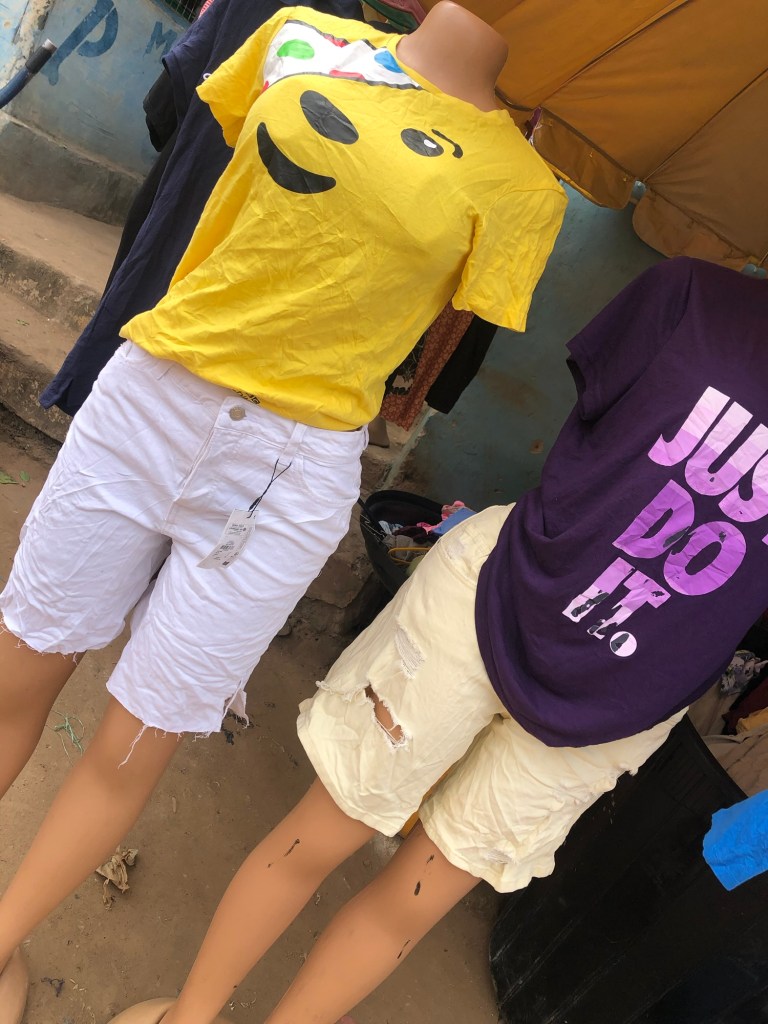
    Samples of Thrift On The Market Area

    How to Start a Thrift Business in Nigeria With Small Capital

  • A Complete Guide to Starting a Successful Okrika Thrift Business in Nigeria

    A Complete Guide to Starting a Successful Okrika Thrift Business in Nigeria

    The thrift clothing business, popularly known in Nigeria as Okrika, has grown into one of the most profitable small businesses anyone can start with relatively low capital. Across many Nigerian markets, thrift clothing continues to attract customers because it offers quality fashion at affordable prices.

    Many people assume the Okrika business is only for market traders, but the reality is that anyone with basic business sense and consistency can build a thriving thrift clothing brand. In fact, some entrepreneurs now sell thrift clothing online through social media platforms and make impressive profits monthly.

    If you are considering starting a thrift business, this guide will walk you through the essential steps required to establish a successful Okrika business from scratch.

    Understanding the Okrika Business

    Okrika refers to fairly used clothes imported from countries such as the United States, United Kingdom, and Canada. These clothes are often donated or resold abroad and later shipped to African markets where they are sorted and sold in bundles.

    The business works because the clothes are often high-quality international brands that many people cannot easily afford when new. When resold at affordable prices, they become attractive to customers who want style without spending too much money.

    The demand for thrift clothing continues to grow because:

    Many people prefer affordable fashion. Quality used clothes often last longer than some new cheap clothes. Fashion lovers enjoy finding unique pieces. Reselling thrift clothes is profitable for small entrepreneurs.

    Understanding this demand is the first step to building a successful thrift business.

    Conduct Market Research

    Before investing your money, it is important to study the market around you.

    Visit major thrift markets in your area and observe:

    The types of clothes people buy most The price range customers accept The busiest days in the market How experienced sellers display their products

    This simple research will help you identify what sells quickly.

    For example, some locations sell more:

    Jeans T-shirts Corporate wear Female dresses Children’s clothing Sneakers and jackets

    Knowing your target market will help you invest in the right products.

    Raise Your Startup Capital

    One of the biggest advantages of the Okrika business is that you can start small and grow gradually.

    Startup capital can vary depending on your approach.

    For example:

    Small scale sellers may start with:

    ₦30,000 – ₦100,000 for selected pieces

    Medium scale sellers may invest:

    ₦150,000 – ₦400,000 for bundles

    Larger sellers who buy multiple bales may invest:

    ₦500,000 or more

    Aside from buying clothes, you may also need funds for:

    Transportation Store rent or market space Hangers and display racks Laundry and ironing Packaging materials

    Proper budgeting will help you avoid unnecessary financial pressure in the early stage.

    Find Reliable Suppliers

    Your supplier determines the quality of your thrift business. Good suppliers provide clean, fashionable and high-grade clothing bundles.

    In Nigeria, many traders buy from major distribution markets such as:

    Yaba Market in Lagos Katangua Market in Lagos Aba Market in Abia State Onitsha Market in Anambra State

    These markets are known for bulk thrift clothing distribution.

    When choosing a supplier:

    Ask about bale grade (Grade A, B, or C) Inspect goods if possible Buy from trusted dealers Start small until you confirm quality

    Building strong relationships with reliable suppliers will help you maintain consistency in your business.

    Learn How to Sort and Select Clothes

    Successful thrift sellers know how to carefully sort their goods.

    When you open a bale or bundle, separate items into categories such as:

    Premium items Average quality items Damaged items

    Premium items should be sold at higher prices because customers are willing to pay more for good quality fashion pieces.

    Average items can be sold at moderate prices.

    Damaged items should either be repaired or sold at clearance prices.

    Sorting properly ensures you maximize profit from each bundle.

    Clean and Prepare Your Products

    Presentation plays a major role in attracting customers.

    Even though thrift clothes are fairly used, they should always look clean, neat, and fresh before being displayed.

    You should:

    Wash the clothes Iron them properly Repair small damages Remove stains if possible Fold or hang them neatly

    Customers are more likely to buy clothes that look fresh and attractive.

    This simple step alone can significantly increase your sales.

    Choose the Right Selling Location

    Location is another important factor in the success of your thrift business.

    Some sellers operate from:

    Open markets Small roadside shops Fashion boutiques Social media platforms

    If you are starting with limited capital, you can begin with a small market stall or roadside stand.

    However, many modern thrift entrepreneurs now combine offline and online selling.

    You can showcase your products on:

    Facebook WhatsApp Instagram TikTok

    Selling online allows you to reach more customers beyond your physical location.

    Develop Smart Pricing Strategies

    Pricing determines how fast your products sell.

    A common mistake new thrift sellers make is overpricing their goods.

    Instead of focusing on high profit per item, focus on quick turnover.

    For example:

    Premium jackets can sell for higher prices. Simple T-shirts should be priced moderately. Clearance items should be sold cheaply to attract buyers.

    You can also introduce strategies such as:

    “Pick any for ₦1,000” Weekend discounts Bundle deals

    These offers attract crowds and help you clear stock faster.

    Build Strong Customer Relationships

    Customer loyalty is one of the biggest secrets in the thrift business.

    Happy customers often return regularly and also refer others.

    To build strong relationships:

    Treat customers politely Allow them to inspect items Offer small discounts occasionally Notify them when new goods arrive

    Many successful thrift sellers now have regular buyers who wait for their next bale opening.

    When customers trust your quality, they will always come back.

    Use Social Media for Marketing

    Social media has transformed the thrift business in recent years.

    Some sellers now make significant income simply by posting thrift clothes online.

    You can market your products by:

    Posting pictures of new arrivals Creating short videos of your collection Running promotional offers Hosting live sales

    Live sales are particularly effective because customers can see the clothes in real time and buy instantly.

    With consistency, social media can help you grow beyond a local market seller into a recognized thrift brand.

    Manage Your Business Finances Properly

    No matter how small your thrift business is, financial discipline is essential.

    Always separate:

    Business money Personal spending

    Track:

    Cost of goods Daily sales Profit margins

    Keeping simple records will help you understand whether your business is growing or not.

    Many small businesses fail not because they lack customers, but because they lack financial management.

    Be Consistent and Patient

    Like every business, the thrift business requires patience.

    Some days sales may be slow, while other days you may sell out your entire stock.

    Consistency is what eventually builds success.

    Focus on:

    Restocking regularly Maintaining quality Treating customers well Improving your marketing

    Over time, your reputation will grow and your business will attract more buyers.

    Final Thoughts

    The thrift clothing business remains one of the most accessible and profitable small businesses in Nigeria. With proper planning, smart sourcing, and good customer service, anyone can build a successful Okrika business.

    The key is to start small, learn the market, and remain consistent in delivering quality products to customers.

    Remember that every successful trader you see today once started with just a few clothes on a rack. What matters most is your willingness to learn, adapt, and grow your business step by step.

    If you apply the strategies shared in this guide, you can transform a simple thrift clothing hustle into a reliable source of income and long-term financial stability.

    Nnamdi Snr, founder of Business Ideas NG, dressed professionally in a white shirt and red tie