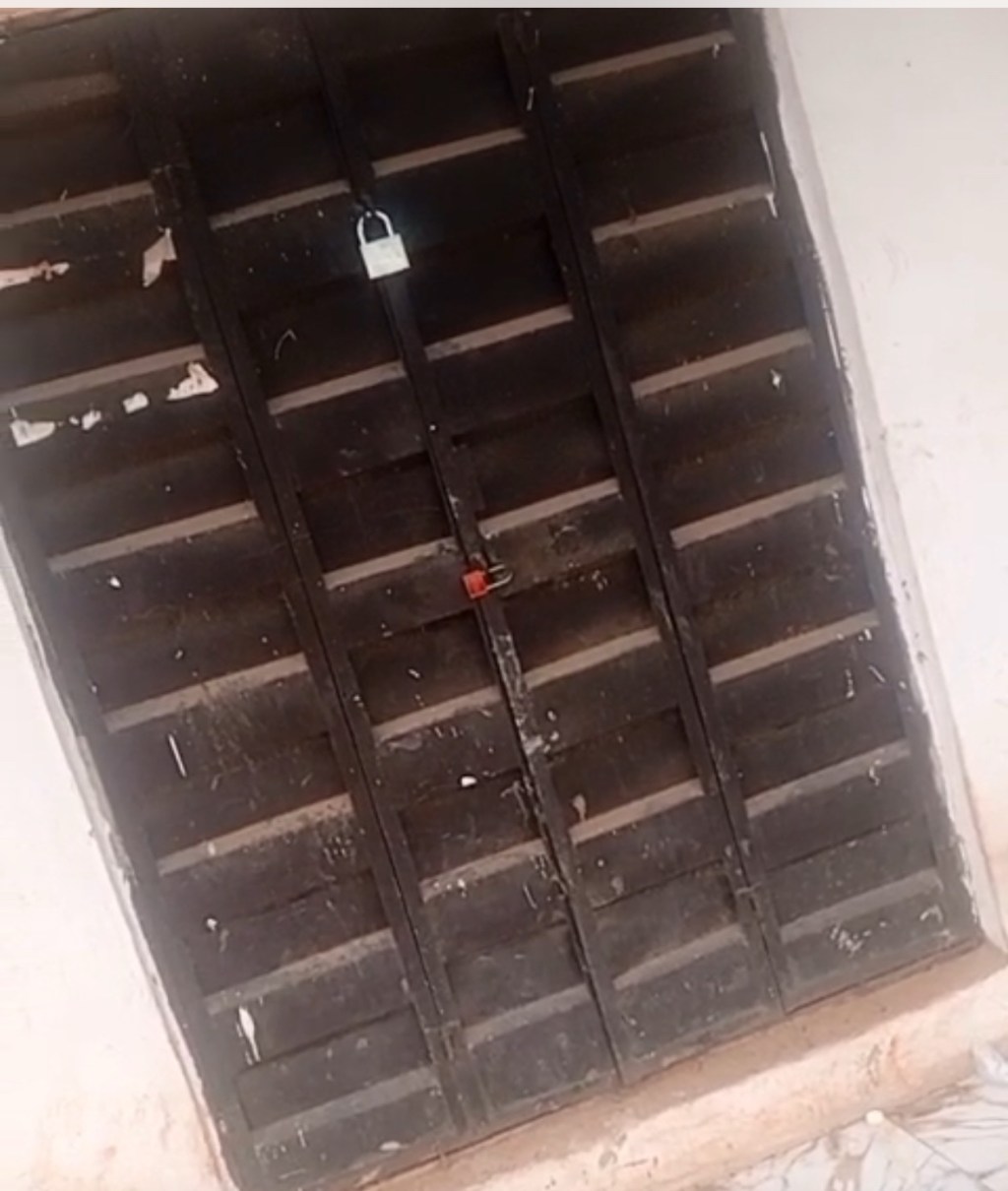
Running a business comes with financial responsibilities, and rent is one of the most critical. However, there are times when circumstances make it difficult to meet up with rent payments. In some cases, landlords may take drastic actions—like locking your shop. Discover How Some Market Managers Treats Their Clients
This situation can feel frustrating, embarrassing, and even devastating, especially if your daily income depends on that space. But reacting emotionally or wrongly can worsen the situation.
This article will guide you through the best actions to take when your landlord locks your shop due to unpaid rent, helping you protect your business, maintain professionalism, and recover quickly.
1. Stay Calm and Avoid Confrontation
The first and most important step is to control your emotions.
It’s natural to feel angry or humiliated, especially if customers or neighbors witnessed the incident. However, reacting aggressively can escalate the issue and damage your reputation. Business Discipline Can Change Your Career Trajectory
Why this matters:
You may worsen your relationship with the landlord
It could lead to legal trouble
You risk losing negotiation opportunities
Instead, take a step back and approach the situation logically.
2. Confirm the Reason for the Lockout
Before taking any action, ensure you clearly understand why your shop was locked.
Ask yourself:
How many months of rent are outstanding?
Did the landlord give prior notice?
Was there any agreement or grace period?
Sometimes, misunderstandings occur. Clarifying the exact reason helps you respond appropriately. “If the situation ever gets worse before you escape, here is exactly what to do:
3. Check Your Tenancy Agreement
Your tenancy agreement is your legal protection.
Go through it carefully and look for:
Payment terms
Grace periods
Penalties for late payment
Procedures for eviction or lockout
Important Insight:
In many regions, including Nigeria, landlords are not always legally allowed to lock tenants out without proper notice or due process. What To Do When Your Landlord Lock Your Shop
Understanding your rights puts you in a stronger position.
4. Initiate a Calm Conversation with Your Landlord
Communication is key.
Approach your landlord respectfully and request a discussion. Avoid arguments—focus on solutions.
What to say:
Acknowledge the debt
Explain your situation honestly
Propose a realistic payment plan
Example:
“I understand I owe rent, and I sincerely apologize. Business has been slow, but I’m committed to paying. Can we agree on a structured repayment plan?”
Most landlords prefer receiving their money gradually over losing a tenant entirely.
5. Know Your Legal Rights
In many places, including Nigeria, landlords are not always legally allowed to lock a tenant out without proper legal process. Know This Before Quitting Your Job For Business
This means:
Self-help eviction (locking your shop) may be illegal
There are legal procedures landlords must follow
You may have the right to:
Challenge the action
Seek legal redress
Regain access through lawful means
Action step:
Consult a lawyer or legal advisor if the situation escalates.
6. Avoid Breaking the Lock Yourself
It may be tempting to break the lock and enter your shop—but this can backfire.
Risks include:
Being accused of trespassing
Legal action from the landlord
Escalation into police matters
Even if the landlord is wrong, taking the law into your hands can weaken your case.
7. Secure Your Goods and Business Assets
If your shop is locked, your goods are at risk.
You should:
Confirm that your items are intact
Request supervised access if possible
Document your inventory
If you suspect tampering or loss:
Take photos
Gather evidence
Report immediately
Protecting your assets should be a top priority.
8. Explore Temporary Business Alternatives
While resolving the issue, don’t let your income stop completely.
Consider:
Selling online (WhatsApp, Facebook, Instagram)
Moving to a temporary location
Partnering with another shop owner
Risk Of Not Having Side Hustle
9. Learn From the Situation
Every setback is a lesson.
Ask yourself:
What led to the unpaid rent?
Was it poor financial planning?
Did business slow down?
Use this experience to:
Improve cash flow management
Build emergency funds
Diversify income streams
10. Build a Better Relationship With Your Landlord
A good landlord-tenant relationship can prevent future crises.
Going forward:
Communicate early about delays
Be transparent about challenges
Honor agreements
Landlords are more flexible with tenants they trust.
11. Create a Rent Backup Plan
One of the smartest business moves is planning ahead.
Set up:
A rent savings account
Emergency funds (at least 3–6 months rent)
Multiple income streams
This ensures you’re never caught off guard again.
15 Businesses That Will Never Disappoint You
12. Consider Legal Action (If Necessary)
If your landlord refuses to cooperate or acts unlawfully:
You can:
File a complaint Seek court intervention
Demand compensation (in extreme cases)
However, legal action should be your last resort due to time and cost.
Conclusion
Having your shop locked due to unpaid rent is a tough and stressful experience. But it’s not the end of your business.
The key is to:
Stay calm
Communicate effectively
Negotiate smartly
Understand your rights
Adapt quickly
Every successful entrepreneur faces setbacks—but how you respond determines your future. You Can Consider Community Investment Not Minding The Risks
Turn this challenge into a learning experience and come back stronger, smarter, and better prepared.
 Business Ideas NG