Tag: Entrepreneurship

  • Okrika Business Plan: A Complete Proposal Template for Nigerian Entrepreneurs

    Okrika Business Plan: A Complete Proposal Template for Nigerian Entrepreneurs

    Starting a thrift business in Nigeria is not just a small hustle; it is a smart response to the realities of the Nigerian economy. With rising inflation, increased cost of living, and a growing population of fashion-conscious youths, thrift business—popularly known as Okrika, bend-down-select, or second-hand clothing—has evolved into a profitable and sustainable venture. This proposal explains the full journey of a thrift business in Nigeria, from the idea stage to sourcing, branding, selling, and long-term growth.

    Introduction to Thrift Business in Nigeria

    The thrift business involves buying fairly used items—mainly clothes, shoes, bags, and accessories—and reselling them at affordable prices. In Nigeria, thrift items are no longer seen as a sign of poverty. Instead, they are now associated with smart spending, unique fashion taste, and even luxury, as many thrift items are foreign brands that are expensive when bought new.

    Young people, students, working-class Nigerians, and even entrepreneurs now patronize thrift sellers regularly. This shift in perception makes the thrift business a strong business opportunity with low startup capital and high turnover when done correctly.

    Business Idea and Objectives

    The main idea of this thrift business is to source quality second-hand clothing and accessories, carefully select sellable items, and market them to Nigerians who want affordable yet stylish fashion. The objectives of the business include:

    Providing affordable and quality clothing to customers Creating a profitable and scalable business model Building a trusted brand in the thrift market Leveraging online platforms to reach a wider audience Generating steady income and employment opportunities

    This business aims to start small and grow steadily, focusing on quality, consistency, and customer satisfaction.

    Market Analysis

    Nigeria has a massive market for thrift items. The population is large, youthful, and fashion-driven. Many Nigerians want to look good without spending excessively, and thrift items provide that solution. Markets such as Yaba, Aswani, Katangua, Balogun, Ariaria, and Oil Mill are well-known hubs for thrift trading.

    Online demand is also growing rapidly. Instagram, Facebook, WhatsApp, and TikTok have become powerful tools for selling thrift items. Customers now prefer to see items online, reserve them, and either pick up or receive delivery.

    Competition exists, but demand is still higher than supply, especially for sellers who focus on quality, honesty, and good customer service.

    Startup Requirements

    One of the biggest advantages of the thrift business is its low startup cost. To start, the following are required:

    Startup capital (depending on scale, from ₦50,000 upward) A trusted supplier or bale dealer Packaging materials (nylon, tags, hangers if needed) A phone with a good camera Internet access for online marketing Basic knowledge of pricing and customer communication

    A physical shop is optional at the beginning. Many successful thrift sellers in Nigeria started online and expanded later.

    Sourcing and Selection Process

    Sourcing is the backbone of the thrift business. Items are usually purchased in bales, sacks, or as selected pieces from major thrift markets. The key to profitability is knowing how to select quality items.

    Proper inspection helps to avoid stained, torn, or overused clothes. Sorting is done immediately after purchase to separate premium items from average ones. Washing, ironing, and proper packaging increase the perceived value of the products and allow for better pricing.

    Consistency in sourcing is important. Building relationships with suppliers ensures better deals, early access to quality bales, and trust.

    Pricing and Profit Strategy

    Pricing in thrift business depends on quality, demand, brand type, and target market. Some items are sold cheaply to encourage quick turnover, while premium pieces are priced higher for better margins.

    A good pricing strategy balances affordability and profit. It is important to calculate total costs, including purchase, logistics, cleaning, and marketing, before setting prices. Transparent pricing builds trust and encourages repeat customers.

    Profit is maximized through fast sales, volume turnover, and effective marketing rather than excessive pricing.

    Marketing and Sales Strategy

    Marketing plays a crucial role in the success of the thrift business. Offline sales can be driven through word of mouth, referrals, and market presence. Online marketing, however, offers wider reach and faster growth.

    Social media platforms are used to post clear pictures, videos, and live sales sessions. Storytelling, consistency, and engagement help build a loyal audience. Honest descriptions, clear pricing, and quick responses improve customer trust.

    Customer satisfaction is key. Prompt delivery, good packaging, and respectful communication turn buyers into long-term supporters.

    Operations and Daily Management

    Daily operations involve sourcing, sorting, posting, responding to customers, packaging orders, and coordinating deliveries. Time management is important, especially when handling online orders.

    Record-keeping helps track expenses, profits, and inventory. Even simple notes or spreadsheets can help the business owner understand growth patterns and make better decisions.

    As the business grows, tasks can be delegated or automated to improve efficiency.

    Risks and Challenges

    Like every business, thrift trading has challenges. These include inconsistent bale quality, price fluctuations, delivery delays, competition, and slow sales periods. However, these risks can be managed through experience, diversification, and financial discipline.

    Learning from losses, reinvesting profits, and staying updated with fashion trends help reduce long-term risks.

    Growth and Expansion Plan

    The long-term plan for the thrift business includes expanding product categories, increasing sourcing capacity, opening a physical store, and building a recognizable brand. Collaborations, wholesale supply, and private labeling are also future possibilities.

    With consistency and discipline, the thrift business can grow from a small side hustle into a full-time, profitable enterprise.

    Conclusion

    The thrift business in Nigeria is a practical, profitable, and sustainable venture for anyone willing to learn and stay consistent. From starting with small capital to selling successfully online and offline, the journey requires patience, smart sourcing, effective marketing, and good customer relations.

    This proposal shows that thrift business is not just about selling used clothes; it is about solving a real problem, creating value, and building a business that can grow with time. With the right mindset and strategy, thrift business can become a reliable source of income and long-term financial stability in Nigeria.

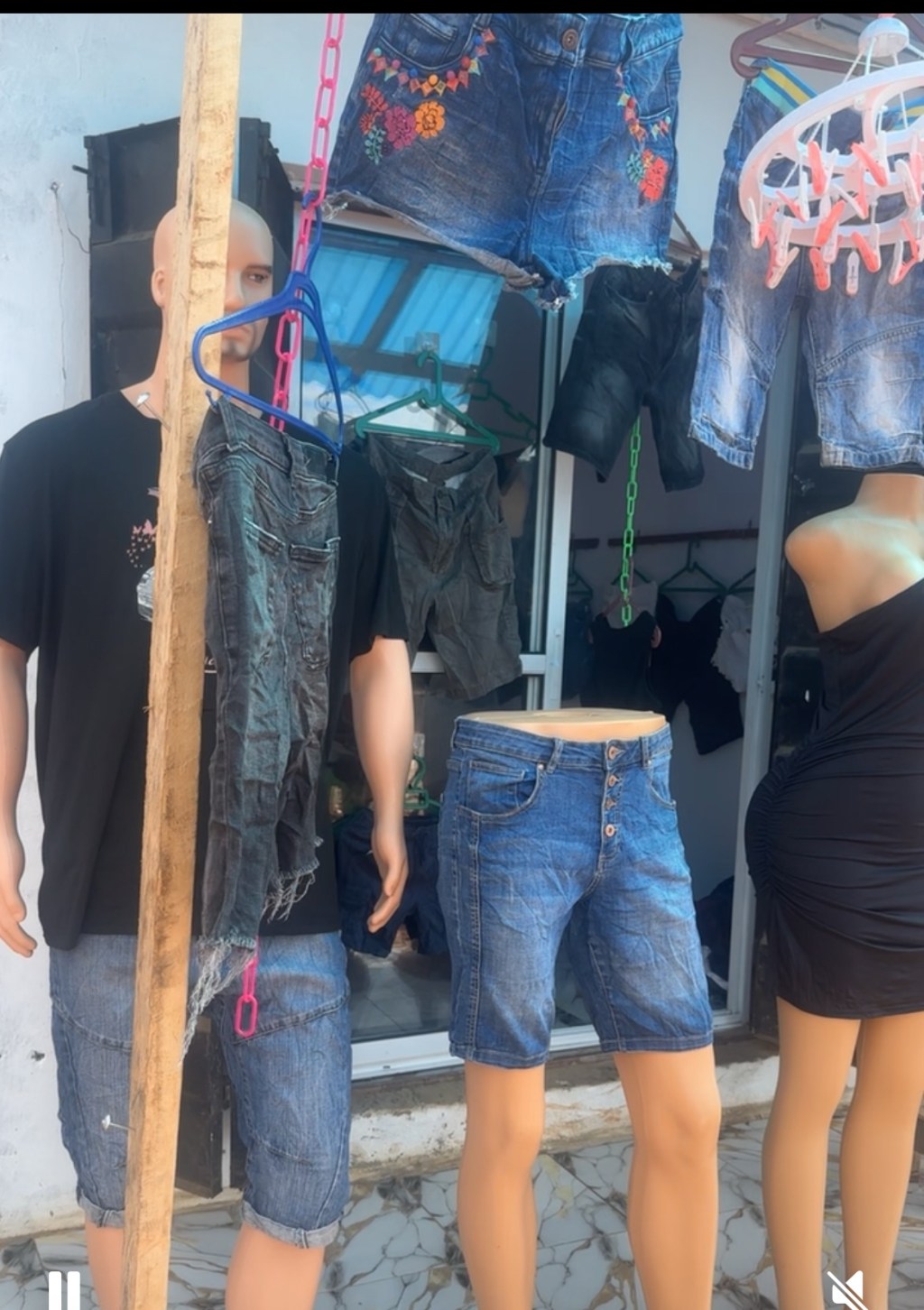
    Samples of Thrift On The Market Area

    How to Start a Thrift Business in Nigeria With Small Capital
  • How to Start an Okrika Business in Nigeria with Less Than ₦50,000

    How to Start an Okrika Business in Nigeria with Less Than ₦50,000

    Starting a thrift business in Nigeria is one of the most practical ways to enter the fashion industry with little capital. In this article, you’ll learn how to start, source quality items, price your products, and sell successfully both online and offline.

    How to Start a Thrift Business in Nigeria With Small Capital

    Many beginners believe a business plan must be complicated, full of big grammar and financial terms. Because of this belief, they delay starting anything meaningful. The truth is simple: a business plan is not about impressing people. It is about giving your business direction.

    If you are a beginner, your business plan should be clear, realistic, and flexible. You are not predicting the future; you are preparing your mind.

    This article breaks down a simple business plan any beginner can understand and use.

    1. Understand Why You Want to Start the Business

    Before money, before products, before social media, ask yourself one honest question: Why do I want to start this business?

    Some people want freedom from daily expenses.

    Some want extra income.

    Some want long-term stability.

    Your reason matters because it will guide your decisions when challenges show up. A business started because of pressure will collapse under pressure. A business started with clarity survives tough seasons.

    Write your reason down in one or two sentences. Keep it simple and real.

    2. Identify the Problem You Are Solving

    Every successful business solves a problem. Beginners often make the mistake of focusing only on what they want to sell, not what people actually need.

    Instead of saying, “I want to sell food,” ask:

    What food problem am I solving? Convenience? Affordability? Quality? Availability?

    The clearer the problem, the easier it is to attract customers.

    People do not buy products. They buy solutions.

    3. Define Your Product or Service Clearly

    Now describe what you are offering in simple language.

    If someone who knows nothing about business reads your description, they should understand it immediately.

    Avoid long explanations. Focus on:

    What you sell Who it is for How it helps them

    For example, instead of saying “I run a food business,” say:

    “I prepare affordable home-style meals for busy workers who don’t have time to cook.”

    Clarity builds trust.

    4. Know Your Target Customers

    Beginners often say, “Everyone is my customer.” That is rarely true.

    You must decide:

    Who needs your product most? Where are they located? How do they currently solve this problem?

    Your customers could be students, workers, parents, small business owners, or online users. Each group behaves differently and spends money differently.

    When you know your customer, marketing becomes easier and cheaper.

    5. Study Your Competition Without Fear

    Competition is not your enemy. Ignorance is.

    Look at people already doing similar businesses and study:

    What they do well What customers complain about Their pricing style Their customer communication

    Do not copy blindly. Learn what works and improve where they are weak.

    A beginner who studies competition grows faster than one who ignores it.

    6. Set Simple and Realistic Goals

    Your business plan must include goals, but they should be realistic.

    Avoid goals like:

    “I want to make millions in three months.”

    Instead, set goals like:

    First 5 customers First consistent weekly income First month without losses

    Small wins build confidence and momentum.

    Business grows step by step, not by wishes.

    7. Plan Your Basic Operations

    This part answers the question: How will this business run daily?

    Think about:

    Where you will operate from How you will get supplies How customers will place orders How delivery or service will happen

    You don’t need perfection. You need structure.

    A simple system beats confusion every time.

    8. Understand Your Costs and Pricing

    Many beginners fail because they don’t understand their numbers.

    List your basic costs:

    Supplies Transportation Data or communication Packaging Tools or equipment

    Then decide your pricing carefully. Your price should:

    Cover your costs Leave room for profit Still be attractive to customers

    Profit is not greed. Profit is survival.

    9. Decide How You Will Promote the Business

    Marketing does not mean shouting everywhere. It means showing your business to the right people.

    As a beginner, focus on:

    Social media (Facebook, WhatsApp, Instagram) Word of mouth Consistent posting Honest storytelling

    People connect with stories more than adverts.

    Be visible, be helpful, and be consistent.

    10. Accept That Learning Is Part of the Plan

    No beginner gets everything right at the start. Mistakes will happen. Losses may come. Confusion is normal.

    Your business plan should include one important mindset:

    “I am willing to learn, adjust, and grow.”

    Flexibility is power in business.

    Those who refuse to learn eventually quit. Those who learn stay profitable.

    Final Thoughts

    A business plan does not need to be perfect to be powerful. It needs to be clear, honest, and actionable.

    If you are a beginner, stop waiting for confidence. Confidence comes from action.

    Start small. Plan simply. Learn daily. Improve gradually.

    That is how real businesses are built.

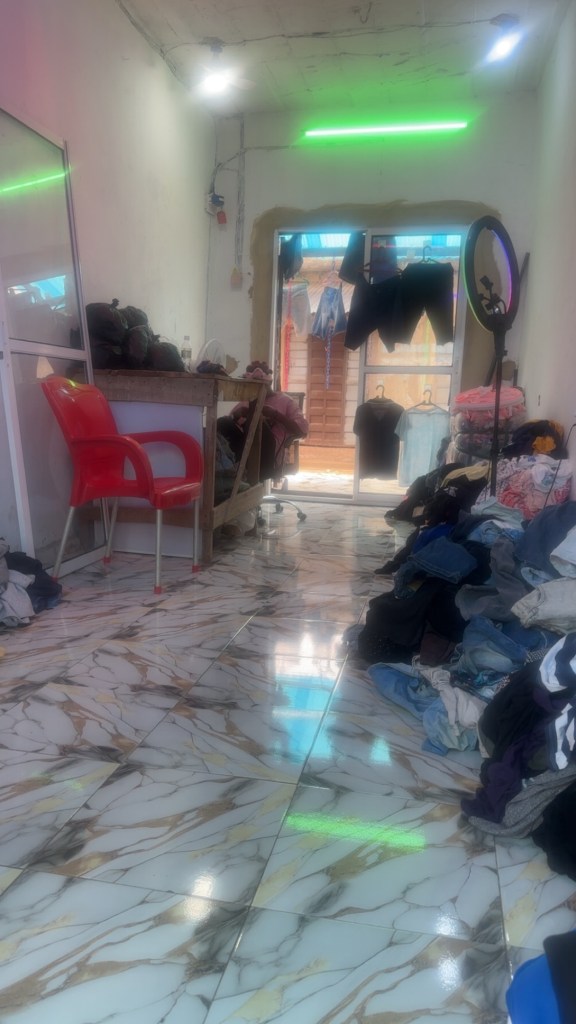
    I Thrift Shop that has chair and clothes on the floor
  • Why Offline Businesses Still Make Sense in a World Obsessed With Online Money

    Why Offline Businesses Still Make Sense in a World Obsessed With Online Money

    Everywhere you turn these days, someone is telling you that money is online.

    Crypto. Forex. Dropshipping. Ads. Content creation. Tech skills.

    And yes — online money is real.

    But here is the uncomfortable truth nobody likes to say clearly: online money has a high learning cost, and many people don’t have the time, patience, or safety net to fail repeatedly before getting it right.

    That doesn’t make them lazy.

    It makes them realistic.

    Offline businesses, the kind people now look down on, are still paying bills quietly — every single day.

    The Problem With Chasing Only Online Income

    Most people chasing online money are not failing because they are not serious enough.

    They fail because online income requires three things many people underestimate:

    Time to learn

    Money to test

    Patience to fail publicly and privately

    Someone who is trying to survive, pay rent, support family, or escape daily financial pressure often cannot afford to “learn for six months” before seeing results.

    Nnamdi Snr Is An International Business Leader, Entrepreneur, Writer And A Blogger.

    Offline businesses, on the other hand, trade complexity for consistency.

    They may not look sexy.

    They may not make you proud online.

    But they work.

    What Offline Businesses Actually Do Better

    Offline businesses succeed because they solve visible, everyday problems.

    People may postpone learning crypto.

    They don’t postpone eating.

    They don’t postpone laundry.

    They don’t postpone charging their phones.

    They don’t postpone transport, cleaning, repairs, or convenience.

    That is the strength.

    Offline businesses are built around demand that already exists, not demand you must create from scratch.

    The Truth About “Small” Offline Businesses

    Many people say things like:

    “That business is too small” “It doesn’t scale” “I want something bigger”

    But what they don’t understand is this: small, steady money is what creates breathing space.

    A business does not need to make you rich immediately.

    It needs to stabilize you first.

    Stability gives you:

    Clear thinking Reduced desperation Better decision-making Capital for future expansion

    Many online earners you admire today were once funded by boring offline income.

    Examples of Offline Businesses People Ignore (But Shouldn’t)

    Let’s talk honestly about a few.

    Laundry Services

    People hate washing clothes. That will never change.

    In busy areas, student environments, or working-class neighborhoods, laundry is not optional — it’s survival.

    You don’t need luxury machines to start.

    You need consistency, cleanliness, and trust.

    Food Supply (Not Restaurants)

    Supplying food to offices, schools, or fixed groups is different from opening a restaurant.

    No fancy branding.

    No sitting customers.

    Just reliable meals at agreed times.

    It’s stressful, yes — but it’s predictable money.

    POS and Bill Payment Services

    This business is stressful. Anyone telling you otherwise is lying.

    But it is also one of the clearest examples of daily demand.

    Money moves every day.

    People need cash every day.

    Bills don’t stop.

    The profit per transaction may be small, but volume makes the difference.

    Cleaning and Home Services

    Convenience is a business.

    People are tired.

    People are busy.

    They will gladly pay someone else to do what they don’t want to do.

    Why Most People Fail at Offline Businesses

    This part is important.

    People don’t fail offline businesses because they don’t work.

    They fail because they misunderstand them.

    Here are common mistakes:

    Starting too big instead of starting workable Ignoring location and visibility Underestimating stress and consistency Treating it like a side joke, not a system Spending too much on aesthetics and too little on service

    Offline businesses reward discipline, not vibes.

    The Ego Problem Nobody Talks About

    One major reason people avoid offline businesses is ego.

    They want something they can announce proudly.

    They want something that sounds impressive.

    But ego is expensive.

    Some of the most financially stable people you know are running businesses you rarely see online.

    They are not loud.

    They are not teaching courses.

    They are busy collecting money.

    Offline First Does Not Mean Offline Forever

    This is important: choosing offline business does not mean rejecting online income.

    Offline income can:

    Fund online experiments Reduce desperation Give you confidence Buy you time to learn skills properly

    Many people fail online because they are too hungry.

    Hunger makes people rush, copy blindly, and fall for scams.

    Offline income calms hunger.

    What You Should Think About Before Starting Any Offline Business

    Before jumping in, ask yourself:

    Who already needs this daily? Where is the traffic? How will money come in consistently? Can I handle this stress for months? What part of this business do people hate the most?

    Where people complain, money hides.

    Final Thoughts

    Offline businesses are not outdated.

    They are not inferior.

    They are not for “people who don’t know better”.

    They are for people who understand reality.

    In a world obsessed with speed, offline businesses reward patience.

    In a world obsessed with hype, they reward consistency.

    Not all money is online.

    And that truth is freeing.

    Nnamdi Snr of Business Ideas NG wearing a white cap
    I deal on Wholesale and Retail Of All Kinds Of Thrift (Okrika business)