
Starting a thrift business in Nigeria is not just a small hustle; it is a smart response to the realities of the Nigerian economy. With rising inflation, increased cost of living, and a growing population of fashion-conscious youths, thrift business—popularly known as Okrika, bend-down-select, or second-hand clothing—has evolved into a profitable and sustainable venture. This proposal explains the full journey of a thrift business in Nigeria, from the idea stage to sourcing, branding, selling, and long-term growth.
Introduction to Thrift Business in Nigeria
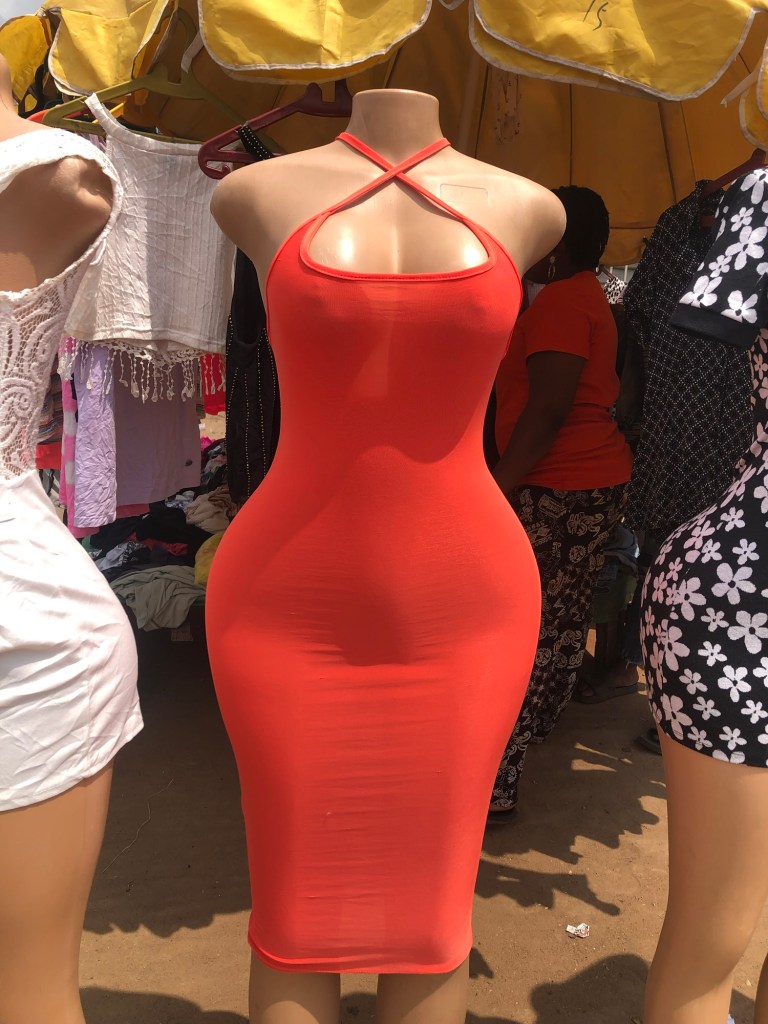
The thrift business involves buying fairly used items—mainly clothes, shoes, bags, and accessories—and reselling them at affordable prices. In Nigeria, thrift items are no longer seen as a sign of poverty. Instead, they are now associated with smart spending, unique fashion taste, and even luxury, as many thrift items are foreign brands that are expensive when bought new.
Young people, students, working-class Nigerians, and even entrepreneurs now patronize thrift sellers regularly. This shift in perception makes the thrift business a strong business opportunity with low startup capital and high turnover when done correctly.
Business Idea and Objectives
The main idea of this thrift business is to source quality second-hand clothing and accessories, carefully select sellable items, and market them to Nigerians who want affordable yet stylish fashion. The objectives of the business include:

Providing affordable and quality clothing to customers Creating a profitable and scalable business model Building a trusted brand in the thrift market Leveraging online platforms to reach a wider audience Generating steady income and employment opportunities
This business aims to start small and grow steadily, focusing on quality, consistency, and customer satisfaction.
Market Analysis
Nigeria has a massive market for thrift items. The population is large, youthful, and fashion-driven. Many Nigerians want to look good without spending excessively, and thrift items provide that solution. Markets such as Yaba, Aswani, Katangua, Balogun, Ariaria, and Oil Mill are well-known hubs for thrift trading.
Online demand is also growing rapidly. Instagram, Facebook, WhatsApp, and TikTok have become powerful tools for selling thrift items. Customers now prefer to see items online, reserve them, and either pick up or receive delivery.
Competition exists, but demand is still higher than supply, especially for sellers who focus on quality, honesty, and good customer service.
Startup Requirements
One of the biggest advantages of the thrift business is its low startup cost. To start, the following are required:
Startup capital (depending on scale, from ₦50,000 upward) A trusted supplier or bale dealer Packaging materials (nylon, tags, hangers if needed) A phone with a good camera Internet access for online marketing Basic knowledge of pricing and customer communication
A physical shop is optional at the beginning. Many successful thrift sellers in Nigeria started online and expanded later.

Sourcing and Selection Process
Sourcing is the backbone of the thrift business. Items are usually purchased in bales, sacks, or as selected pieces from major thrift markets. The key to profitability is knowing how to select quality items.
Proper inspection helps to avoid stained, torn, or overused clothes. Sorting is done immediately after purchase to separate premium items from average ones. Washing, ironing, and proper packaging increase the perceived value of the products and allow for better pricing.
Consistency in sourcing is important. Building relationships with suppliers ensures better deals, early access to quality bales, and trust.
Pricing and Profit Strategy
Pricing in thrift business depends on quality, demand, brand type, and target market. Some items are sold cheaply to encourage quick turnover, while premium pieces are priced higher for better margins.
A good pricing strategy balances affordability and profit. It is important to calculate total costs, including purchase, logistics, cleaning, and marketing, before setting prices. Transparent pricing builds trust and encourages repeat customers.
Profit is maximized through fast sales, volume turnover, and effective marketing rather than excessive pricing.
Marketing and Sales Strategy
Marketing plays a crucial role in the success of the thrift business. Offline sales can be driven through word of mouth, referrals, and market presence. Online marketing, however, offers wider reach and faster growth.
Social media platforms are used to post clear pictures, videos, and live sales sessions. Storytelling, consistency, and engagement help build a loyal audience. Honest descriptions, clear pricing, and quick responses improve customer trust.
Customer satisfaction is key. Prompt delivery, good packaging, and respectful communication turn buyers into long-term supporters.
Operations and Daily Management
Daily operations involve sourcing, sorting, posting, responding to customers, packaging orders, and coordinating deliveries. Time management is important, especially when handling online orders.
Record-keeping helps track expenses, profits, and inventory. Even simple notes or spreadsheets can help the business owner understand growth patterns and make better decisions.
As the business grows, tasks can be delegated or automated to improve efficiency.
Risks and Challenges
Like every business, thrift trading has challenges. These include inconsistent bale quality, price fluctuations, delivery delays, competition, and slow sales periods. However, these risks can be managed through experience, diversification, and financial discipline.
Learning from losses, reinvesting profits, and staying updated with fashion trends help reduce long-term risks.
Growth and Expansion Plan
The long-term plan for the thrift business includes expanding product categories, increasing sourcing capacity, opening a physical store, and building a recognizable brand. Collaborations, wholesale supply, and private labeling are also future possibilities.
With consistency and discipline, the thrift business can grow from a small side hustle into a full-time, profitable enterprise.
Conclusion
The thrift business in Nigeria is a practical, profitable, and sustainable venture for anyone willing to learn and stay consistent. From starting with small capital to selling successfully online and offline, the journey requires patience, smart sourcing, effective marketing, and good customer relations.
This proposal shows that thrift business is not just about selling used clothes; it is about solving a real problem, creating value, and building a business that can grow with time. With the right mindset and strategy, thrift business can become a reliable source of income and long-term financial stability in Nigeria.
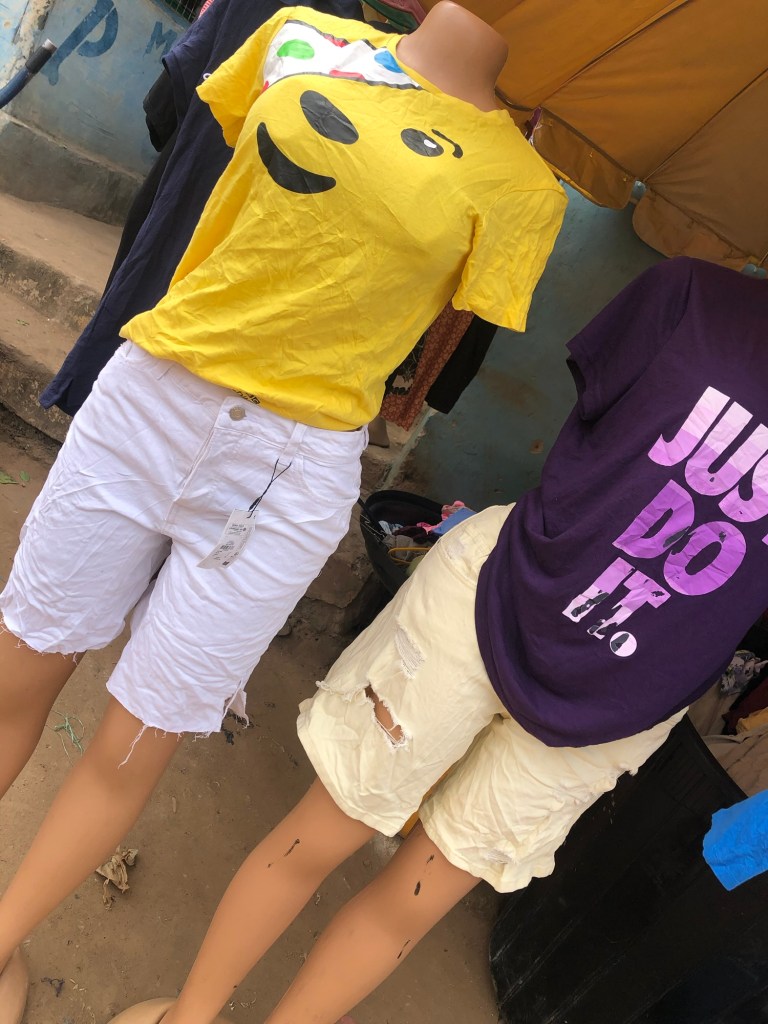
How to Start a Thrift Business in Nigeria With Small Capital
 Business Ideas NG