Category: Entrepreneurship

  • How to Build Self-Confidence as a Young Entrepreneur in Nigeria

    How to Build Self-Confidence as a Young Entrepreneur in Nigeria

    Starting a business in Nigeria as a young entrepreneur is not for the faint-hearted. You face unstable electricity, inconsistent government policies, limited funding opportunities, economic uncertainty, and sometimes even discouragement from family and friends. Yet, despite all these challenges, thousands of young Nigerians are building successful brands every day.

    The difference between those who succeed and those who quit often comes down to one powerful trait: self-confidence.

    Self-confidence is not arrogance. It is the belief that you can figure things out, learn from mistakes, and grow stronger with experience. If you want to succeed as a young entrepreneur in Nigeria, building your confidence is not optional — it is essential.

    Here’s how you can build strong, unshakable self-confidence as a young entrepreneur.

    1. Start Before You Feel Ready

    Many young Nigerians wait for the “perfect time” to start a business. They wait for more money, better connections, more knowledge, or ideal conditions.

    But confidence doesn’t come before action — it comes after action.

    When you start small, even with limited resources, you gain experience. When you make your first sale, you gain belief. When you solve your first customer complaint, you gain courage.

    You don’t need to have everything figured out. Start with what you have. Improve as you go. Progress builds confidence.

    2. Develop Valuable Skills

    Confidence grows when competence grows.

    If you lack confidence in business, ask yourself:

    What skills do I need to improve?

    Is it:

    Marketing? Communication? Financial management? Negotiation? Digital skills?

    Nigeria’s business environment rewards skill. When you know how to create value, you stop doubting yourself.

    Take online courses. Watch YouTube tutorials. Read business books. Practice daily. The more skilled you become, the less intimidated you feel.

    Knowledge reduces fear.

    3. Stop Comparing Yourself To Others

    Social media can destroy confidence if you’re not careful.

    You see other entrepreneurs posting:

    New cars Big office spaces International trips Huge sales screenshots

    What you don’t see is their struggle, loans, losses, and failures.

    Every entrepreneur has a different timeline. Comparing your beginning to someone else’s middle is unfair.

    Focus on your own growth. Ask:

    Am I better than I was six months ago?

    If the answer is yes, you are progressing.

    Confidence grows when you measure yourself against your past self, not someone else’s highlight reel.

    4. Build A Strong Network

    You cannot build confidence in isolation.

    Surround yourself with:

    Positive business-minded friends Mentors Accountability partners Supportive communities

    When you interact with other entrepreneurs, you realize you are not alone. You learn from their experiences. You gain clarity. You feel encouraged.

    In Nigeria especially, relationships matter. Your network can open doors, introduce you to clients, and provide guidance.

    Confidence increases when you have people who believe in you.

    5. Learn To Handle Failure Properly

    Failure is not the opposite of success; it is part of success.

    Many young entrepreneurs lose confidence after:

    A failed product launch Low sales Bad reviews Losing money

    But every successful Nigerian entrepreneur has failed multiple times.

    The key difference? They did not let failure define them.

    Instead of saying:

    “I am not good at business.”

    Say:

    “What can I learn from this experience?”

    Failure is feedback. When you treat it as a lesson instead of a verdict, your confidence grows.

    6. Improve Your Communication Skills

    Confidence is strongly linked to how you communicate.

    Can you:

    Introduce your business clearly? Speak about your services boldly? Negotiate your price without fear? Present your ideas confidently?

    Practice speaking about your business daily. Record yourself. Improve your tone. Improve your clarity.

    In Nigeria’s competitive market, entrepreneurs who communicate clearly win more opportunities.

    The more you express your ideas confidently, the more others will believe in you.

    7. Set Small Achievable Goals

    Big goals are motivating, but small wins build confidence.

    Instead of saying:

    “I want to make ₦1 million this month.”

    Start with:

    “I want to get 5 paying customers this week.”

    Achieve that. Celebrate it.

    Small achievements prove to your mind that you are capable. Over time, those small wins compound into bigger results.

    Confidence grows through consistent small victories.

    8. Take Care Of Your Personal Appearance

    It may sound simple, but how you dress and carry yourself affects your confidence.

    You don’t need expensive clothes. You need:

    Clean appearance Proper grooming Good posture Eye contact

    When you look prepared, you feel prepared.

    In business meetings, presentations, or networking events, appearance influences perception. When you present yourself professionally, your internal confidence increases.

    9. Speak Positive Words To Yourself

    Your inner voice matters.

    If you constantly say:

    “I’m not good enough.” “This market is too hard.” “Others are better than me.”

    Your confidence will shrink.

    Replace negative thoughts with empowering ones:

    “I am learning every day.” “I can improve.” “I am building something valuable.”

    What you repeatedly tell yourself becomes your belief.

    Guard your thoughts carefully.

    10. Remember Why You Started

    Whenever doubt creeps in, revisit your reason.

    Did you start because:

    You want financial freedom? You want to support your family? You want independence? You want to solve a problem?

    Your purpose fuels your confidence.

    Nigeria’s economy may be challenging, but opportunity exists for those who stay determined.

    When you remember your “why,” quitting becomes harder.

    Final Thoughts

    Self-confidence is not built overnight. It is built daily through action, learning, persistence, and courage.

    As a young entrepreneur in Nigeria, you will face obstacles. You will experience doubt. You will encounter setbacks.

    But if you:

    Take action consistently Improve your skills Learn from failure Surround yourself with the right people Focus on your growth

    Your confidence will grow stronger than any challenge.

    The Nigerian market is tough — but it is also full of opportunity.

    Believe in your ability to learn.

    Believe in your ability to adapt.

    Believe in your ability to succeed.

    Because if you don’t believe in your business, nobody else will.

    YOU MAY LIKE TO READ:
  • 5 Signs You Need a Business Break to Avoid Burnout

    5 Signs You Need a Business Break to Avoid Burnout

    Building a business in Nigeria is not for the weak. Whether you are running a (Okrika) business, selling online, freelancing, or managing a small shop, the pressure can be overwhelming. You think about sales when you wake up. You think about profit before you sleep. You check your phone constantly. You worry about customers, capital, rent, and competition.

    Hard work is good. Discipline is powerful. But there is a thin line between dedication and burnout.

    Burnout does not happen in one day. It builds slowly. And if you ignore it, it can destroy your motivation, creativity, and even your health.

    Here are 5 clear signs you need a business break before burnout damages your progress.

    1. You Feel Constantly Tired — Even After Sleeping

    If you sleep 6–8 hours but still wake up exhausted, that is not just normal tiredness. That is mental fatigue.

    Business stress drains more energy than physical labor. When your brain is constantly calculating profit, solving problems, worrying about customers, and planning the next move, it never truly rests.

    You may notice:

    You wake up tired. You struggle to concentrate. Simple tasks feel heavy. You procrastinate more than usual.

    This is your body asking for recovery time.

    Taking a short break does not mean you are lazy. It means you understand sustainability. Even machines need cooling time. Your brain is not stronger than a machine.

    A one-day break or a weekend offline can restore clarity more than forcing yourself to keep pushing.

    2. You Are Irritated by Small Things

    When burnout is approaching, your patience wears thin

    Small customer complaints annoy you.

    Simple questions frustrate you.

    You respond harshly to messages.

    You feel angry without knowing why.

    This emotional instability is a red flag.

    A business owner must make decisions calmly. But when you are mentally exhausted, your emotional control weakens. This can damage customer relationships and even your brand reputation.

    Ask yourself:

    Do I snap at customers more lately? Do I feel angry about minor issues? Am I losing empathy?

    If yes, your mind needs rest.

    Sometimes stepping away for 24–48 hours can reset your emotional balance and prevent bigger mistakes.

    3. Your Creativity Has Dropped

    A strong entrepreneur is creative. You think of:

    New marketing ideas

    Better product positioning

    Smarter ways to sell

    Better ways to serve customers

    But when burnout begins, creativity disappears.

    You start doing things on autopilot.

    You avoid trying new strategies.

    You feel mentally blocked.

    This is dangerous because business growth depends on innovation.

    For example, if you run a thrift business and stop thinking about:

    Better display methods

    Social media marketing ideas

    New sourcing strategies

    Your competitors will overtake you.

    Breaks are not time wasted. They often spark new ideas. When your brain relaxes, it processes information differently. Many of the best business ideas come during rest, not pressure.

    4. You No Longer Enjoy What You Once Loved

    This is one of the most serious signs.

    When you started your business, you were excited. You enjoyed learning. You enjoyed selling. You enjoyed progress.

    Now you feel:

    Numb

    Unmotivated

    Detached from your business

    You begin to question everything:

    “Why am I even doing this?”

    “Is this worth it?”

    “Maybe I should quit.”

    This is not always a sign that your business is wrong. It may simply mean you are overwhelmed.

    Continuous stress without rest reduces your passion. And passion is fuel in entrepreneurship.

    Before making drastic decisions like quitting or changing business, take a structured break. Sometimes your excitement returns once your mind recovers.

    Your Health Is Starting to Suffer

    This is the most dangerous stage.

    Burnout eventually affects your body.

    You may notice:

    Frequent headaches

    Poor sleep

    Anxiety

    Back or neck pain

    Poor eating habits

    Constant worry

    Some entrepreneurs ignore these signs and say:

    “I will rest when I make more money.”

    But what is the point of profit if your health collapses?

    Business success should not cost your long-term well-being.

    If your health is declining because of business pressure, that is a clear sign you need a break immediately.

    Your Health Is Starting to Suffer

    A break does NOT mean:

    Closing your business permanently

    Abandoning customers

    Being irresponsible

    It means strategic recovery.

    Here are practical ways to take a business break:

    1. Take One Full Day Offline

    No WhatsApp Business.

    No Instagram.

    No sales.

    Let your mind breathe.

    2. Reduce Workload for a Few Days

    Instead of pushing for aggressive sales, focus only on essential tasks.

    3. Delegate Small Tasks

    If possible, allow someone to help with packaging, delivery, or customer replies.

    4. Reflect, Don’t Panic

    Use your break to ask:

    What is stressing me the most?

    What can I simplify?

    What systems can I improve?

    Sometimes burnout is not from too much work, but from disorganized work.

    Why Breaks Actually Increase Profit

    Many entrepreneurs fear rest because they think it reduces income.

    But the opposite is often true.

    When you rest:

    You make better decisions. You avoid emotional mistakes. You improve customer service. You think strategically instead of reactively.

    Sustainable business wins long-term.

    Remember:

    You are building a marathon, not a sprint.

    Final Thoughts

    Ambition is powerful.

    Discipline is necessary.

    Hard work is important.

    But ignoring burnout is dangerous.

    If you notice:

    Constant exhaustion

    Irritability

    Low creativity

    Loss of passion

    Health issues

    Do not ignore them.

    Taking a short business break is not weakness. It is wisdom.

    Your business needs a strong you.

    Protect your energy.

    Protect your clarity.

    Protect your health.

    Because a healthy entrepreneur builds a healthy business.

  • Small Businesses You Can Start With ₦50,000 in Nigeria Not Thrift

    Small Businesses You Can Start With ₦50,000 in Nigeria Not Thrift

    Many Nigerians believe you need a lot of money to start a business. In reality, there are several small businesses you can start with ₦50,000 or less if you focus on the right ideas.

    On Business Ideas NG, we share realistic business ideas that work in Nigeria. In this post, you’ll discover small businesses you can start with ₦50,000 in Nigeria that are not thrift (Okrika).

    1️⃣ Mobile Phone Accessories Sales

    You can start selling:

    Chargers

    Earphones

    Phone cases

    Power banks

    📌 Why it works:

    Constant demand

    Easy to restock

    Fast turnover

    You can sell from:

    A small table

    Your bag (mobile selling)

    Online (WhatsApp & Facebook)

    2️⃣ Liquid Soap & Detergent Production

    With ₦50,000, you can learn and start producing:

    Liquid soap

    Detergent

    Hand wash

    📌 Why it works:

    Everyday household need

    High repeat customers

    Simple production process

    You can sell to homes, shops, and offices.

    3️⃣ Small Foodstuff Retailing

    This involves selling items like:

    Rice (measured cups)

    Beans

    Garri

    Groundnut oil

    📌 Why it works:

    Food always sells

    Steady daily income

    Low risk

    You can start from home or a roadside table.

    4️⃣ Mini Food Processing Business

    Examples include:

    Pepper grinding

    Garri frying support services

    Spice blending

    📌 Why it works:

    Low competition in many areas

    Quick cash flow

    Mostly service-based

    People prefer convenience over stress.

    5️⃣ Laundry & Ironing Services (Small Scale)

    You can start by offering:

    Washing

    Ironing

    Folding

    📌 Why it works:

    Busy lifestyles

    Repeat customers

    Can start from home

    Target students, bachelors, and working-class residents.

    6️⃣ POS Agent (Small Scale)

    If POS services are limited in your area, this is a good option.

    📌 Why it works:

    Daily commissions

    High demand

    Small setup cost

    Ensure good location and reliable network.

    7️⃣ Digital Services (Using Your Phone)

    Examples:

    WhatsApp status selling

    Facebook

    Marketplace selling

    Content posting for small businesses

    📌 Why it works:

    No shop rent

    Skill-based

    Scalable

    Your phone is already a business tool.

    Common Mistakes to Avoid

    Starting too many businesses at once

    Ignoring your location’s demand

    Spending all capital at once

    Copying others blindly

    Start small. Learn fast. Improve gradually.

    Final Thoughts

    ₦50,000 may look small, but what matters most is how you use it. Many successful businesses in Nigeria started with even less.

    On Business Ideas NG, our goal is to help you start with what you have and grow consistently.

    👉 Explore more practical business ideas on this blog

    👉 Follow or subscribe for regular updates

    Start smart. Grow steady.

  • Okrika Business for Beginners: Your Step-by-Step Starting Guide

    Okrika Business for Beginners: Your Step-by-Step Starting Guide

    Starting a business in Nigeria doesn’t always require huge capital.

    One of the most affordable and profitable businesses you can start today is the Okrika business.

    On Business Ideas NG, we focus on practical and realistic business ideas. In this guide, you’ll learn how to start an Okrika business in Nigeria step-by-step, even if you’re a complete beginner.

    What Is Okrika Business?

    Okrika business involves buying fairly used clothes, shoes, or accessories at low prices and reselling them for profit. In Nigeria, Okrika items are popular because they are:

    Affordable

    Durable

    Often of foreign quality

    This makes the business highly demanded across different income levels.

    Why Okrika Business Is Profitable in Nigeria

    Here’s why many people are succeeding with Okrika business:

    Low startup capital

    Fast turnover

    High demand all year-round

    Flexible selling options (offline & online)

    With the right approach, you can start small and grow steadily.

    Step-by-Step Guide to Starting a Thrift Business in Nigeria

    1️⃣ Decide What to Sell

    Start by choosing one category:

    Men’s clothes

    Women’s clothes

    Children’s wear

    Shoes or bags

    Starting with one niche helps you focus and reduce mistakes.

    2️⃣ Get Startup Capital

    You can start a thrift business with as little as:

    ₦20,000 – ₦50,000 (very small scale)

    ₦100,000 and above (better options)

    The key is to start within your budget.

    3️⃣ Find a Reliable Supplier

    Popular thrift markets in Nigeria include:

    Katangua Market (Lagos)

    Ariaria Market (Aba)

    Tejuosho Market (Lagos)

    If you can’t travel, you can buy from trusted middlemen, but always verify quality first.

    4️⃣ Sort, Wash, and Package Properly

    This is where many sellers fail.

    To stand out:

    Wash and iron clothes

    Sort by size and quality

    Remove damaged items

    Package neatly

    Clean presentation helps you sell faster and at higher prices.

    5️⃣ Price for Profit

    Don’t underprice yourself.

    Consider:

    Cost price

    Transport

    Packaging

    Desired profit

    Always leave room for small negotiations.

    6️⃣ Choose Where to Sell

    You can sell through:

    Local markets

    Facebook Marketplace

    WhatsApp Status

    Instagram

    For beginners, WhatsApp and Facebook work best.

    Common Mistakes Beginners Should Avoid

    Buying unsorted bales without experience

    Selling dirty or wrinkled clothes

    Copying prices blindly

    Giving goods on credit

    Not tracking expenses

    Avoiding these mistakes saves you money and stress.

    Is Thrift Business Worth It?

    Yes — if done correctly.

    Thrift business rewards:

    Patience

    Consistency

    Smart buying decisions

    It may not make you rich overnight, but it can build steady income over time.

    Final Thoughts

    Thrift (Okrika) business is one of the most beginner-friendly businesses in Nigeria. You don’t need perfection to start — you need action and consistency.

    On Business Ideas NG, we share practical guides to help you start small and grow with confidence.

    👉 Explore more business ideas on this blog

    👉 Follow or subscribe for regular updates

    Start where you are. Grow at your pace.

  • How to Source Quality Okrika Clothes and Price Them for Maximum Profit

    How to Source Quality Okrika Clothes and Price Them for Maximum Profit

    Starting a business in Nigeria does not always require huge capital.

    In fact, some of the most profitable businesses today are built on simple ideas, smart sourcing, and consistency. One such businesses is the Okrika business. Over the years, thrift clothing has grown from being seen as a “low-budget option” to a smart and profitable business that serves millions of Nigerians daily.

    If you are looking for a business you can start with small capital, grow steadily, and scale over time, the thrift business is one option you should seriously consider.

    In this guide, I will walk you through everything you need to know to start a profitable thrift business in Nigeria, even if you are a complete beginner.

    What Is the Okrika Business?

    Thrift business, popularly known as Okrika in Nigeria, involves buying fairly used clothes, shoes, bags, or accessories at low prices and reselling them for profit. These items are often imported in bales or bundles from countries like the UK, USA, and Canada.

    Many people prefer thrift items because:

    They are affordable They are often durable Some are branded or foreign-made They offer better value for money

    This consistent demand makes thrift business a reliable source of income.

    Why Thrift Business Is Profitable in Nigeria

    There are several reasons why thrift business works so well in Nigeria:

    High demand: People wear clothes every day, and many prefer cheaper but quality options. Low startup capital: You can start small and grow gradually. Fast turnover: Good items sell quickly, especially if priced correctly. Flexible selling options: Online, offline, or both. Scalable: You can move from small bundles to full bales over time.

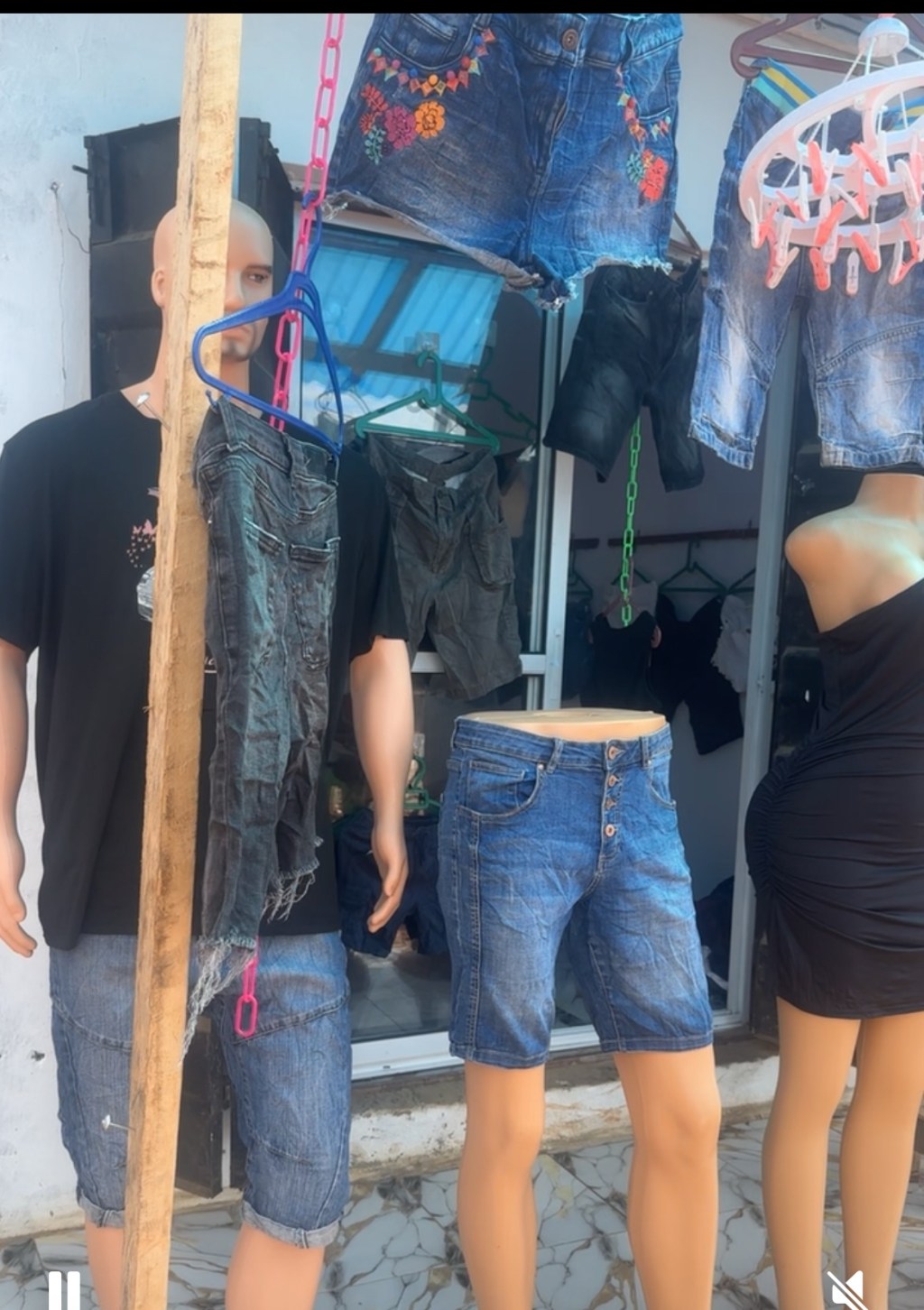
    Roadside Stand.

    How Much Capital Do You Need to Start?

    One of the best things about thrift business is that you can start at almost any level.

    ₦20,000 – ₦30,000: Small bundles or selected pieces ₦50,000 – ₦100,000: Medium bundles or half bales ₦150,000 and above: Full bales and better quality items

    The key is not how much you start with, but how well you manage and sell what you buy.

    Where to Buy Thrift (Okrika) Items in Nigeria

    Getting the right supplier is one of the most important steps in thrift business.

    Common places to buy thrift items:

    Popular local markets (depending on your state) Major okrika markets in big cities Online thrift suppliers on WhatsApp, Facebook, or Instagram Direct bale importers and distributors

    When buying, always:

    Start small Ask questions Check reviews if buying online Avoid rushing into “cheap” deals without proof

    How to Choose Profitable Thrift Items

    Not all thrift items sell fast. Successful thrift sellers focus on hot-demand items.

    Examples of fast-selling items:

    Jeans and trousers Corporate shirts and blouses Gowns and dresses Jackets and hoodies Children’s clothes Shoes, especially sneakers Handbags and backpacks

    Avoid buying items you personally like but people don’t commonly buy. Business is about market demand, not personal taste.

    Pricing Strategy: How to Make Profit

    Pricing can make or break your thrift business.

    Simple pricing tips:

    Add your cost price + transport + small profit Study what others sell similar items for Don’t overprice because of emotions Don’t underprice and kill your profit

    Sometimes selling slightly cheaper helps you build customers faster, especially when starting.

    How to Sell Your Thrift Items

    You don’t need a physical shop to start.

    Online selling options:

    WhatsApp status Facebook Marketplace Facebook groups Instagram page Personal contacts

    Offline selling options:

    Small roadside stand Shared shop Open markets Door-to-door (in some areas)

    Many successful thrift sellers combine online and offline sales.

    Common Mistakes Beginners Make

    To save yourself losses, avoid these mistakes:

    Buying too many items at once Not checking items properly Poor pricing Ignoring customer feedback Mixing business money with personal money Expecting instant success

    Thrift business rewards patience and consistency.

    Tools and Resources That Help (This is for Monetization Programs in Thrift (Okrika) Business

    As you grow, certain tools can help you manage and scale your thrift business:

    Simple bookkeeping tools Social media design tools Online business courses Business strategy books

    (This space is for affiliate links later.) yes, you will have access to affiliate links from my blog. This is to early keep you informed.

    Final Thoughts

    Thrift (okrika) business is not a get-rich-quick scheme, but it is a real and practical business that has helped many Nigerians earn steady income. With the right knowledge, smart sourcing, and consistency, you can turn it into a profitable venture.

    The most important step is starting — even if it’s small.

    Have you tried thrift business before, or are you planning to start?

    Drop your questions or experiences in the comments below.

    If you would like a step-by-step thrift business checklist, supplier tips, or personal guidance, let me know in the comments as well.

    Nnamdi Snr On sunglasses and relaxing
  • Brutal Business Advice No One Tells Beginners

    Brutal Business Advice No One Tells Beginners

    Starting a business sounds exciting. You see success stories online, bank alerts, flashy lifestyles, and people talking about “freedom.” What they don’t show you is the confusion, mistakes, slow days, and self-doubt that come before any real progress.

    If you’re a beginner in business, This isn’t polished theory — it’s real advice that actually helps you survive the early stage.

    1. Start Small, But Start Seriously

    One of the biggest mistakes beginners make is thinking small means not being serious enough. That’s not true.

    Every big business you admire today started small. What matters is not where you start, but how seriously you take it.

    If you’re selling clothes, treat it like a real store, even if you only have five pieces.

    If you’re offering a service, behave like a professional even if you have only one client.

    Open a notebook. Track your income and expenses. Learn your customers’ names. Show up consistently. Small beginnings done seriously grow faster than big ideas handled carelessly.

    2. Don’t Wait Until You “Figure Everything Out”

    Many people never start because they’re waiting for clarity.

    They want to know:

    – Will this business work?

    – What if I fail?

    – What if someone laughs at me?

    – What if I choose the wrong thing?

    Here’s the truth: clarity comes after action, not before.

    You won’t fully understand your business until you start dealing with real customers, real money, and real problems. Planning is good, but overthinking is dangerous.

    Start with what you know. Improve as you go. Business rewards motion, not perfection.

    3. Learn One Skill That Brings Money

    Before logos, branding, or office space, focus on a skill that solves a problem.

    Ask yourself:

    – What can I do that helps someone save time, make money, or feel better?

    – What do people already ask me for help with?

    – What am I willing to learn even when it gets boring?

    It could be baking, writing, selling, designing, fixing, teaching, organizing, or trading. Skills are assets. Once you have one, money follows faster.

    Certificates don’t feed you. Skills do.

    4. Your First Goal Is Survival, Not Luxury

    Most beginners kill their business by chasing lifestyle instead of stability.

    They want fast money, big profit, and enjoyment immediately. But early business is about survival.

    Your first goal should be:

    – Can this business pay for itself?

    – Can I reinvest and grow slowly?

    – Can I stay in the game long enough to learn?

    When a business survives long enough, growth becomes inevitable. When you rush enjoyment, the business collapses early.

    Delay gratification. Build foundations first.

    5. Consistency Beats Motivation Every Time

    Motivation is emotional. Consistency is practical.

    Some days you’ll feel excited. Other days you’ll feel tired, discouraged, or ignored. What separates winners from quitters is not motivation, but the ability to keep going even when nothing is happening.

    Post even when no one comments.

    Sell even when people say no.

    Learn even when results are slow.

    Consistency compounds quietly. One day, people will call you “lucky,” not knowing you were just consistent.

    6. Don’t Copy Blindly, Learn Intelligently

    It’s okay to learn from others. It’s dangerous to copy without understanding.

    What works for someone else may not work for you because:

    – Their audience is different

    – Their timing is different

    – Their resources are different

    Instead of copying results, study principles.

    Ask:

    – Why does this work?

    – Who is it for?

    – How can I adapt it to my situation?

    Original thinking built on proven principles is safer than blind imitation.

    7. Money Will Expose Your Habits

    When money starts coming in, it will expose who you really are.

    Some people spend everything.

    Some people save nothing.

    Some people reinvest wisely.

    Develop good money habits early:

    – Separate business money from personal money

    – Reinvest before enjoyment

    – Track every expense, no matter how small

    If you can manage small money well, big money won’t destroy you.

    8. Business Is Personal Development in Disguise

    Running a business will teach you patience, discipline, communication, and emotional control.

    You’ll learn:

    – How to handle rejection

    – How to negotiate

    – How to solve problems under pressure

    – How to believe in yourself without external validation

    If you stay long enough, business will improve you before it improves your bank account.

    Final Thoughts

    If you’re a beginner, don’t be ashamed of not knowing everything. Nobody does at the start.

    Focus on learning, staying consistent, and improving one step at a time. Business is not a sprint; it’s a long walk that rewards those who refuse to quit.

    Start where you are. Use what you have. Do what you can.

    That’s how real businesses are built.

  • Okrika Business Plan: A Complete Proposal Template for Nigerian Entrepreneurs

    Okrika Business Plan: A Complete Proposal Template for Nigerian Entrepreneurs

    Starting a thrift business in Nigeria is not just a small hustle; it is a smart response to the realities of the Nigerian economy. With rising inflation, increased cost of living, and a growing population of fashion-conscious youths, thrift business—popularly known as Okrika, bend-down-select, or second-hand clothing—has evolved into a profitable and sustainable venture. This proposal explains the full journey of a thrift business in Nigeria, from the idea stage to sourcing, branding, selling, and long-term growth.

    Introduction to Thrift Business in Nigeria

    The thrift business involves buying fairly used items—mainly clothes, shoes, bags, and accessories—and reselling them at affordable prices. In Nigeria, thrift items are no longer seen as a sign of poverty. Instead, they are now associated with smart spending, unique fashion taste, and even luxury, as many thrift items are foreign brands that are expensive when bought new.

    Young people, students, working-class Nigerians, and even entrepreneurs now patronize thrift sellers regularly. This shift in perception makes the thrift business a strong business opportunity with low startup capital and high turnover when done correctly.

    Business Idea and Objectives

    The main idea of this thrift business is to source quality second-hand clothing and accessories, carefully select sellable items, and market them to Nigerians who want affordable yet stylish fashion. The objectives of the business include:

    Providing affordable and quality clothing to customers Creating a profitable and scalable business model Building a trusted brand in the thrift market Leveraging online platforms to reach a wider audience Generating steady income and employment opportunities

    This business aims to start small and grow steadily, focusing on quality, consistency, and customer satisfaction.

    Market Analysis

    Nigeria has a massive market for thrift items. The population is large, youthful, and fashion-driven. Many Nigerians want to look good without spending excessively, and thrift items provide that solution. Markets such as Yaba, Aswani, Katangua, Balogun, Ariaria, and Oil Mill are well-known hubs for thrift trading.

    Online demand is also growing rapidly. Instagram, Facebook, WhatsApp, and TikTok have become powerful tools for selling thrift items. Customers now prefer to see items online, reserve them, and either pick up or receive delivery.

    Competition exists, but demand is still higher than supply, especially for sellers who focus on quality, honesty, and good customer service.

    Startup Requirements

    One of the biggest advantages of the thrift business is its low startup cost. To start, the following are required:

    Startup capital (depending on scale, from ₦50,000 upward) A trusted supplier or bale dealer Packaging materials (nylon, tags, hangers if needed) A phone with a good camera Internet access for online marketing Basic knowledge of pricing and customer communication

    A physical shop is optional at the beginning. Many successful thrift sellers in Nigeria started online and expanded later.

    Sourcing and Selection Process

    Sourcing is the backbone of the thrift business. Items are usually purchased in bales, sacks, or as selected pieces from major thrift markets. The key to profitability is knowing how to select quality items.

    Proper inspection helps to avoid stained, torn, or overused clothes. Sorting is done immediately after purchase to separate premium items from average ones. Washing, ironing, and proper packaging increase the perceived value of the products and allow for better pricing.

    Consistency in sourcing is important. Building relationships with suppliers ensures better deals, early access to quality bales, and trust.

    Pricing and Profit Strategy

    Pricing in thrift business depends on quality, demand, brand type, and target market. Some items are sold cheaply to encourage quick turnover, while premium pieces are priced higher for better margins.

    A good pricing strategy balances affordability and profit. It is important to calculate total costs, including purchase, logistics, cleaning, and marketing, before setting prices. Transparent pricing builds trust and encourages repeat customers.

    Profit is maximized through fast sales, volume turnover, and effective marketing rather than excessive pricing.

    Marketing and Sales Strategy

    Marketing plays a crucial role in the success of the thrift business. Offline sales can be driven through word of mouth, referrals, and market presence. Online marketing, however, offers wider reach and faster growth.

    Social media platforms are used to post clear pictures, videos, and live sales sessions. Storytelling, consistency, and engagement help build a loyal audience. Honest descriptions, clear pricing, and quick responses improve customer trust.

    Customer satisfaction is key. Prompt delivery, good packaging, and respectful communication turn buyers into long-term supporters.

    Operations and Daily Management

    Daily operations involve sourcing, sorting, posting, responding to customers, packaging orders, and coordinating deliveries. Time management is important, especially when handling online orders.

    Record-keeping helps track expenses, profits, and inventory. Even simple notes or spreadsheets can help the business owner understand growth patterns and make better decisions.

    As the business grows, tasks can be delegated or automated to improve efficiency.

    Risks and Challenges

    Like every business, thrift trading has challenges. These include inconsistent bale quality, price fluctuations, delivery delays, competition, and slow sales periods. However, these risks can be managed through experience, diversification, and financial discipline.

    Learning from losses, reinvesting profits, and staying updated with fashion trends help reduce long-term risks.

    Growth and Expansion Plan

    The long-term plan for the thrift business includes expanding product categories, increasing sourcing capacity, opening a physical store, and building a recognizable brand. Collaborations, wholesale supply, and private labeling are also future possibilities.

    With consistency and discipline, the thrift business can grow from a small side hustle into a full-time, profitable enterprise.

    Conclusion

    The thrift business in Nigeria is a practical, profitable, and sustainable venture for anyone willing to learn and stay consistent. From starting with small capital to selling successfully online and offline, the journey requires patience, smart sourcing, effective marketing, and good customer relations.

    This proposal shows that thrift business is not just about selling used clothes; it is about solving a real problem, creating value, and building a business that can grow with time. With the right mindset and strategy, thrift business can become a reliable source of income and long-term financial stability in Nigeria.

    Samples of Thrift On The Market Area

    How to Start a Thrift Business in Nigeria With Small Capital

  • How to Start an Okrika Business in Nigeria with Less Than ₦50,000

    How to Start an Okrika Business in Nigeria with Less Than ₦50,000

    Starting a thrift business in Nigeria is one of the most practical ways to enter the fashion industry with little capital. In this article, you’ll learn how to start, source quality items, price your products, and sell successfully both online and offline.

    How to Start a Thrift Business in Nigeria With Small Capital

    Many beginners believe a business plan must be complicated, full of big grammar and financial terms. Because of this belief, they delay starting anything meaningful. The truth is simple: a business plan is not about impressing people. It is about giving your business direction.

    If you are a beginner, your business plan should be clear, realistic, and flexible. You are not predicting the future; you are preparing your mind.

    This article breaks down a simple business plan any beginner can understand and use.

    1. Understand Why You Want to Start the Business

    Before money, before products, before social media, ask yourself one honest question: Why do I want to start this business?

    Some people want freedom from daily expenses.

    Some want extra income.

    Some want long-term stability.

    Your reason matters because it will guide your decisions when challenges show up. A business started because of pressure will collapse under pressure. A business started with clarity survives tough seasons.

    Write your reason down in one or two sentences. Keep it simple and real.

    2. Identify the Problem You Are Solving

    Every successful business solves a problem. Beginners often make the mistake of focusing only on what they want to sell, not what people actually need.

    Instead of saying, “I want to sell food,” ask:

    What food problem am I solving? Convenience? Affordability? Quality? Availability?

    The clearer the problem, the easier it is to attract customers.

    People do not buy products. They buy solutions.

    3. Define Your Product or Service Clearly

    Now describe what you are offering in simple language.

    If someone who knows nothing about business reads your description, they should understand it immediately.

    Avoid long explanations. Focus on:

    What you sell Who it is for How it helps them

    For example, instead of saying “I run a food business,” say:

    “I prepare affordable home-style meals for busy workers who don’t have time to cook.”

    Clarity builds trust.

    4. Know Your Target Customers

    Beginners often say, “Everyone is my customer.” That is rarely true.

    You must decide:

    Who needs your product most? Where are they located? How do they currently solve this problem?

    Your customers could be students, workers, parents, small business owners, or online users. Each group behaves differently and spends money differently.

    When you know your customer, marketing becomes easier and cheaper.

    5. Study Your Competition Without Fear

    Competition is not your enemy. Ignorance is.

    Look at people already doing similar businesses and study:

    What they do well What customers complain about Their pricing style Their customer communication

    Do not copy blindly. Learn what works and improve where they are weak.

    A beginner who studies competition grows faster than one who ignores it.

    6. Set Simple and Realistic Goals

    Your business plan must include goals, but they should be realistic.

    Avoid goals like:

    “I want to make millions in three months.”

    Instead, set goals like:

    First 5 customers First consistent weekly income First month without losses

    Small wins build confidence and momentum.

    Business grows step by step, not by wishes.

    7. Plan Your Basic Operations

    This part answers the question: How will this business run daily?

    Think about:

    Where you will operate from How you will get supplies How customers will place orders How delivery or service will happen

    You don’t need perfection. You need structure.

    A simple system beats confusion every time.

    8. Understand Your Costs and Pricing

    Many beginners fail because they don’t understand their numbers.

    List your basic costs:

    Supplies Transportation Data or communication Packaging Tools or equipment

    Then decide your pricing carefully. Your price should:

    Cover your costs Leave room for profit Still be attractive to customers

    Profit is not greed. Profit is survival.

    9. Decide How You Will Promote the Business

    Marketing does not mean shouting everywhere. It means showing your business to the right people.

    As a beginner, focus on:

    Social media (Facebook, WhatsApp, Instagram) Word of mouth Consistent posting Honest storytelling

    People connect with stories more than adverts.

    Be visible, be helpful, and be consistent.

    10. Accept That Learning Is Part of the Plan

    No beginner gets everything right at the start. Mistakes will happen. Losses may come. Confusion is normal.

    Your business plan should include one important mindset:

    “I am willing to learn, adjust, and grow.”

    Flexibility is power in business.

    Those who refuse to learn eventually quit. Those who learn stay profitable.

    Final Thoughts

    A business plan does not need to be perfect to be powerful. It needs to be clear, honest, and actionable.

    If you are a beginner, stop waiting for confidence. Confidence comes from action.

    Start small. Plan simply. Learn daily. Improve gradually.

    That is how real businesses are built.

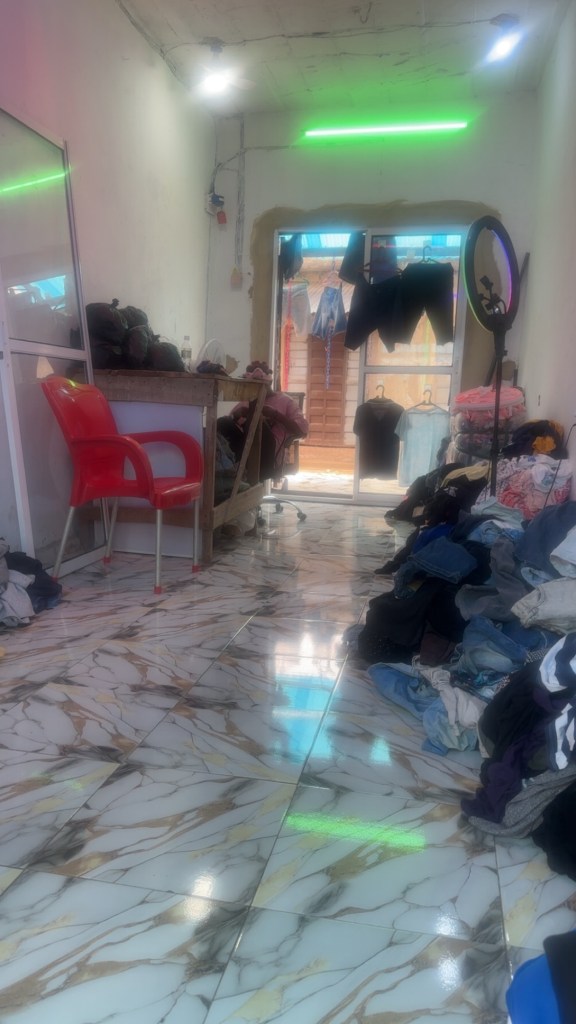
    I Thrift Shop that has chair and clothes on the floor
  • Why Offline Businesses Still Make Sense in a World Obsessed With Online Money

    Why Offline Businesses Still Make Sense in a World Obsessed With Online Money

    Everywhere you turn these days, someone is telling you that money is online.

    Crypto. Forex. Dropshipping. Ads. Content creation. Tech skills.

    And yes — online money is real.

    But here is the uncomfortable truth nobody likes to say clearly: online money has a high learning cost, and many people don’t have the time, patience, or safety net to fail repeatedly before getting it right.

    That doesn’t make them lazy.

    It makes them realistic.

    Offline businesses, the kind people now look down on, are still paying bills quietly — every single day.

    The Problem With Chasing Only Online Income

    Most people chasing online money are not failing because they are not serious enough.

    They fail because online income requires three things many people underestimate:

    Time to learn

    Money to test

    Patience to fail publicly and privately

    Someone who is trying to survive, pay rent, support family, or escape daily financial pressure often cannot afford to “learn for six months” before seeing results.

    Nnamdi Snr Is An International Business Leader, Entrepreneur, Writer And A Blogger.

    Offline businesses, on the other hand, trade complexity for consistency.

    They may not look sexy.

    They may not make you proud online.

    But they work.

    What Offline Businesses Actually Do Better

    Offline businesses succeed because they solve visible, everyday problems.

    People may postpone learning crypto.

    They don’t postpone eating.

    They don’t postpone laundry.

    They don’t postpone charging their phones.

    They don’t postpone transport, cleaning, repairs, or convenience.

    That is the strength.

    Offline businesses are built around demand that already exists, not demand you must create from scratch.

    The Truth About “Small” Offline Businesses

    Many people say things like:

    “That business is too small” “It doesn’t scale” “I want something bigger”

    But what they don’t understand is this: small, steady money is what creates breathing space.

    A business does not need to make you rich immediately.

    It needs to stabilize you first.

    Stability gives you:

    Clear thinking Reduced desperation Better decision-making Capital for future expansion

    Many online earners you admire today were once funded by boring offline income.

    Examples of Offline Businesses People Ignore (But Shouldn’t)

    Let’s talk honestly about a few.

    Laundry Services

    People hate washing clothes. That will never change.

    In busy areas, student environments, or working-class neighborhoods, laundry is not optional — it’s survival.

    You don’t need luxury machines to start.

    You need consistency, cleanliness, and trust.

    Food Supply (Not Restaurants)

    Supplying food to offices, schools, or fixed groups is different from opening a restaurant.

    No fancy branding.

    No sitting customers.

    Just reliable meals at agreed times.

    It’s stressful, yes — but it’s predictable money.

    POS and Bill Payment Services

    This business is stressful. Anyone telling you otherwise is lying.

    But it is also one of the clearest examples of daily demand.

    Money moves every day.

    People need cash every day.

    Bills don’t stop.

    The profit per transaction may be small, but volume makes the difference.

    Cleaning and Home Services

    Convenience is a business.

    People are tired.

    People are busy.

    They will gladly pay someone else to do what they don’t want to do.

    Why Most People Fail at Offline Businesses

    This part is important.

    People don’t fail offline businesses because they don’t work.

    They fail because they misunderstand them.

    Here are common mistakes:

    Starting too big instead of starting workable Ignoring location and visibility Underestimating stress and consistency Treating it like a side joke, not a system Spending too much on aesthetics and too little on service

    Offline businesses reward discipline, not vibes.

    The Ego Problem Nobody Talks About

    One major reason people avoid offline businesses is ego.

    They want something they can announce proudly.

    They want something that sounds impressive.

    But ego is expensive.

    Some of the most financially stable people you know are running businesses you rarely see online.

    They are not loud.

    They are not teaching courses.

    They are busy collecting money.

    Offline First Does Not Mean Offline Forever

    This is important: choosing offline business does not mean rejecting online income.

    Offline income can:

    Fund online experiments Reduce desperation Give you confidence Buy you time to learn skills properly

    Many people fail online because they are too hungry.

    Hunger makes people rush, copy blindly, and fall for scams.

    Offline income calms hunger.

    What You Should Think About Before Starting Any Offline Business

    Before jumping in, ask yourself:

    Who already needs this daily? Where is the traffic? How will money come in consistently? Can I handle this stress for months? What part of this business do people hate the most?

    Where people complain, money hides.

    Final Thoughts

    Offline businesses are not outdated.

    They are not inferior.

    They are not for “people who don’t know better”.

    They are for people who understand reality.

    In a world obsessed with speed, offline businesses reward patience.

    In a world obsessed with hype, they reward consistency.

    Not all money is online.

    And that truth is freeing.

    Nnamdi Snr of Business Ideas NG wearing a white cap
    I deal on Wholesale and Retail Of All Kinds Of Thrift (Okrika business)
  • How to Start a Profitable Thrift or Okrika Business

    How to Start a Profitable Thrift or Okrika Business

    The thrift business, popularly known as Okrika in Nigeria, has become one of the most profitable small businesses for smart entrepreneurs.

    Across many cities in Nigeria, thousands of people depend on thrift clothing to look fashionable without spending too much money.

    The truth is simple: not everyone can afford expensive designer clothes, but almost everyone wants to look good.

    This creates a massive opportunity for anyone willing to start a thrift clothing business.

    With the right strategy, good sourcing, and smart marketing, you can turn this simple business into a steady stream of income.

    In this guide, you will learn exactly how to start a profitable thrift or Okrika business even if you are starting with small capital.

    The thrift clothing business is one of the most profitable small business ideas in Nigeria today.

    Why The Thrift (Okrika) Business Is Profitable

    Before starting any business, it is important to understand why it works.

    The thrift clothing business continues to grow because of the following reasons:

    1. High Demand

    Millions of Nigerians prefer thrift clothes because they are affordable and sometimes better in quality than some new clothes in the market.

    2. Low Startup Capital

    Unlike many businesses that require large investment, you can start a thrift business with relatively small capital.

    3. High Profit Margin

    A cloth bought for ₦500 can easily sell for ₦2,000 or more depending on the quality and presentation.

    4. Fast Sales

    If you choose the right location or market online properly, thrift clothes sell quickly.

    Step 1: Decide The Type Of Thrift Items To Sell

    Many beginners fail because they try to sell everything.

    Successful thrift sellers usually focus on specific categories such as:

    Women fashion Men fashion Children clothes Jeans and trousers Corporate shirts Jackets and hoodies Shoes and bags

    Focusing on a specific niche helps you build a reputation faster.

    For example, someone known for selling quality vintage jeans will attract loyal buyers quickly.

    Step 2: Learn How To Identify Quality Okrika

    Not every thrift item is worth selling.

    To make consistent profit, you must learn how to identify quality pieces.

    Look out for the following:

    Strong fabric quality No permanent stains No torn seams Original brand labels Trendy fashion styles

    Customers always return to sellers who consistently provide quality items.

    If your clothes are always clean and attractive, buyers will trust your business.

    Step 3: Find Reliable Suppliers

    Your supplier determines the success of your thrift business.

    Common sourcing options include:

    Local Okrika Markets

    Popular markets where sellers buy include:

    Katangua Market Yaba Market Aswani Market Aba Okrika Market Onitsha Main Market

    These markets sell thrift clothes in bales or select pieces.

    Bale Suppliers

    Buying full bales is cheaper but requires more capital. However, the profit margin is usually higher.

    Importers

    Some wholesalers import directly and sell to retailers.

    Building a strong relationship with a reliable supplier ensures you always get good products.

    Step 4: Choose Your Selling Method

    There are several ways to sell thrift clothes.

    1. Physical Store

    Opening a small shop or stall in a busy area can bring consistent customers.

    2. Street Display

    Many sellers spread their clothes on mats or tables in busy markets.

    3. Online Selling

    Social media platforms like:

    Facebook Instagram WhatsApp

    allow you to reach more buyers without renting a shop.

    Many successful thrift sellers now combine offline and online sales to increase profits.

    Step 5: Wash And Package Your Clothes Properly

    Presentation is extremely important in thrift business.

    Customers are more likely to buy when clothes look fresh and neat.

    Before selling:

    Wash the clothes Iron them properly Package neatly Remove stains if possible

    This simple step can double the price customers are willing to pay.

    Step 6: Price Your Items Strategically

    Pricing determines how fast your items sell.

    Your price should consider:

    Cost price Cleaning expenses Transportation Market demand

    Avoid pricing too high when you are just starting.

    Instead, focus on quick turnover and customer loyalty.

    When customers trust your quality, they will pay higher prices later.

    Step 7: Build Loyal Customers

    The real secret of successful thrift sellers is repeat customers.

    To build loyalty:

    Treat customers with respect Be honest about product quality Offer discounts to returning buyers Inform customers when new stock arrives

    Happy customers often recommend your business to friends and family.

    Word-of-mouth marketing can grow your thrift business faster than paid advertisements.

    Step 8: Promote Your Business Online

    Social media has made thrift business even more profitable.

    Simple marketing strategies include:

    Posting new arrivals daily Showing before-and-after cleaning Doing live sales Offering limited discounts Encouraging customers to repost

    If you remain consistent online, your thrift business can attract buyers from different locations.

    Step 9: Reinvest Your Profit

    One major mistake new entrepreneurs make is spending all their profit.

    Instead, reinvest your profit to grow the business.

    You can reinvest by:

    Buying bigger bales Expanding product variety Renting a better shop location Running social media promotions

    Growth comes from consistent reinvestment.

    Common Mistakes To Avoid In Thrift Business

    Many people start thrift business but fail because of avoidable mistakes.

    Buying Low Quality Bales

    Cheap bales sometimes contain mostly damaged clothes.

    Poor Hygiene

    Dirty or smelly clothes discourage buyers.

    Wrong Location

    Selling in a place with little foot traffic affects sales.

    Inconsistent Stock

    Customers expect new arrivals frequently.

    Avoiding these mistakes will significantly improve your chances of success.

    How Much Capital Do You Need?

    The good news is that thrift business can start with different budgets.

    Example startup levels:

    Small start (₦30,000 – ₦70,000)

    Buy selected pieces and resell online.

    Medium start (₦100,000 – ₦300,000)

    Buy half bale or full bale and sell in markets.

    Large start (₦500,000 and above)

    Open a boutique-style thrift store.

    Start with what you can afford and grow gradually.

    Final Thoughts

    Starting a thrift or okrika business is one of the most practical ways to enter entrepreneurship in Nigeria.

    The business thrives because people always need affordable fashion.

    With proper sourcing, good presentation, and consistent marketing, thrift selling can grow from a small side hustle into a reliable business.

    If you remain patient, learn the market, and treat customers well, your thrift business can become a steady source of income for years.

    Remember, many successful entrepreneurs today started with very simple businesses. What matters most is taking action and improving as you grow.

    Thrift (Okrika) clothing business in Nigeria
    Nnamdi Snr of Business Ideas NG wearing a white cap