The Lease Agreement Is A Business Decision, Not Just A Transaction
When most entrepreneurs rent their first shop, they think of it as a simple transaction — pay the money, get the keys, open for business. But here is the hard truth that experience has taught me personally: the moment you sign that lease or hand over that rent money, you have entered a business partnership with someone who may not share your vision, your values, or your long-term goals.
I learned this firsthand. After years of building my business in a rented shop, my landlord announced a rent increase from ₦480,000 per year to ₦750,000 — a ₦270,000 jump — with little notice and no regard for the money I had already invested in setting up my standard. The surrounding shops were renting for between ₦100,000 and ₦200,000 per year. The disparity was shocking, and the announcement came after I had spent significant resources establishing my presence there.
What saved me was not luck. It was preparation. It was a contingency plan I had quietly put in place back in December when I began to sense that things were shifting. That plan meant I lost nothing. In fact, I saved ₦280,000 immediately and will save ₦530,000 by next year.
This article is written for every entrepreneur — especially those just starting out — so that you never find yourself trapped, emotionally manipulated, or financially crippled by a landlord situation you were not prepared for.
1. Never Treat Your Rented Shop As Your Permanent Business Home
The first contingency mindset every entrepreneur must develop from day one is this: your rented shop is a tool, not your identity.
Too many business owners become emotionally attached to their shop location. They paint the walls, lay tiles, invest in interior decoration, and then feel like they cannot leave because of what they have spent. This emotional attachment is exactly what some landlords count on to keep you trapped.
From the very first day you rent a shop, remind yourself that your business is bigger than any four walls. Your skills travel with you. Your tools travel with you. Your customer relationships — if properly maintained — will follow you. The shop is just a venue.
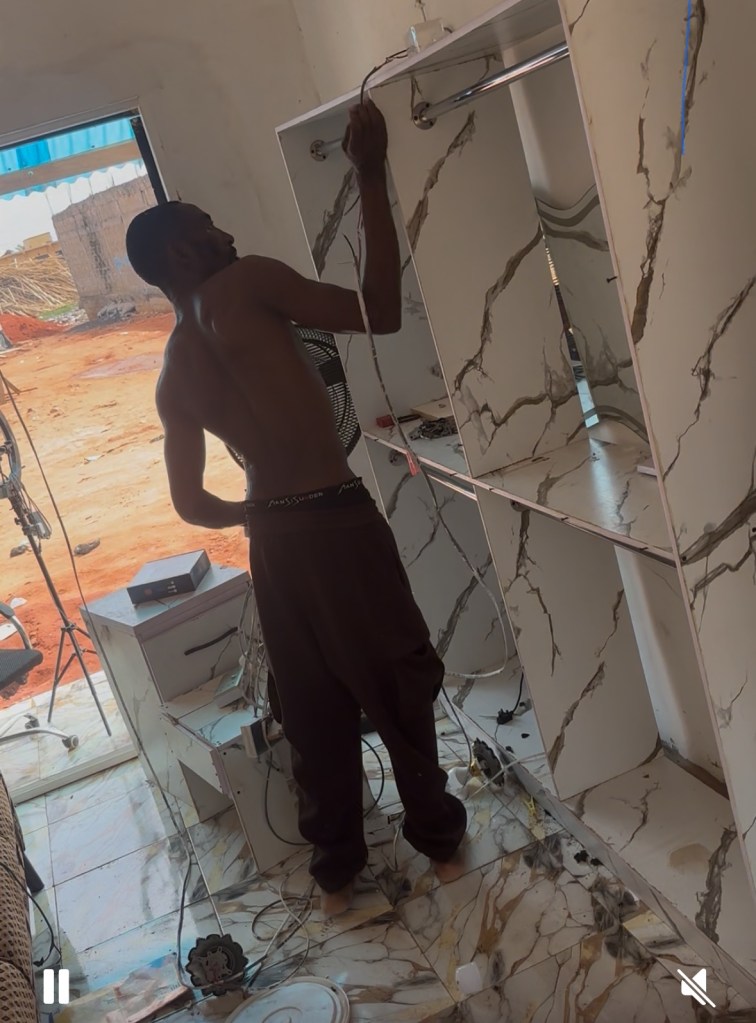
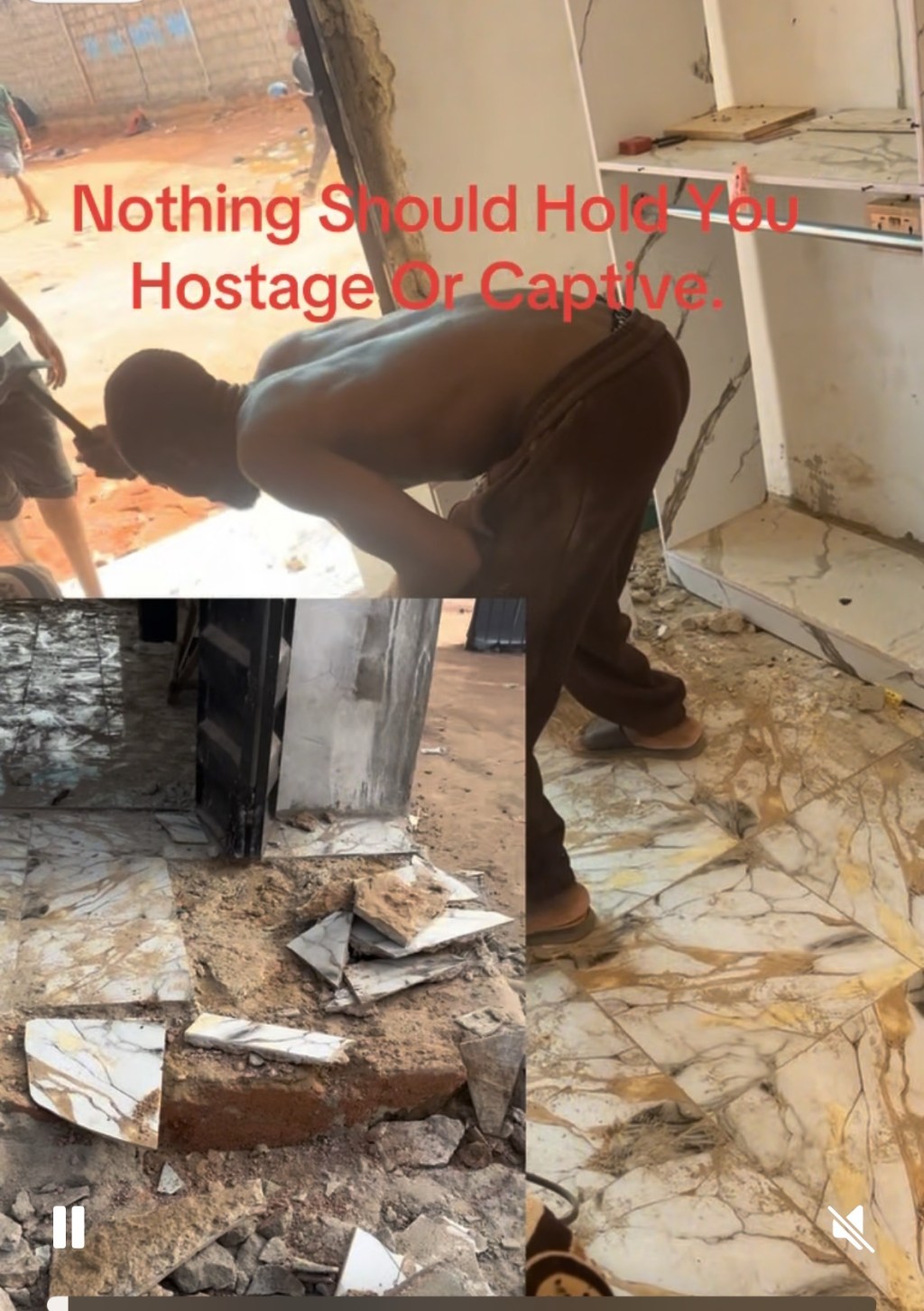
When I finally left my old shop, I moved to a new one less than two poles away. My customers found me. My tools were intact. My business continued. The only things I left behind were a painted wall and some removed tiles — both of which I was ready to fix before handing the space back.
Practical Step: From your first month of renting, start documenting your business identity separately from your location. Build an online presence, collect customer contact details, and make sure people know you, not just your address.
2. Always Rent A Backup Space Before You Need One
This is the contingency plan that saved me, and I want every entrepreneur reading this to take it seriously.
In December, while still operating from my main shop, I quietly rented a smaller, secondary space nearby. I did not wait until I was forced out. I did not wait for the rent increase announcement. I simply recognized the signs — the relationship with the landlord was shifting, the environment was changing — and I acted before the crisis arrived.
Most entrepreneurs make the mistake of only looking for a new space after the emergency has happened. At that point, you are desperate, emotional, and likely to make poor decisions under pressure. You may accept a bad location, pay too much, or rush into another bad landlord relationship just to keep your business running.
Practical Step: Once your business is stable enough, scout surrounding areas for available shops. You do not have to rent immediately. But know your options. Have two or three backup locations identified at all times so that if your current arrangement collapses, you are moving — not scrambling.
3. Understand The Real Cost Of Your Rent Before You Sign
Before you rent any shop, you must understand what you are actually paying — and what the market rate truly is for that area.
In my situation, shops around the same axis were renting for ₦100,000 to ₦200,000 per year. I was already paying ₦480,000. When the landlord demanded ₦750,000, it was not just a price increase — it was a signal that the arrangement had never been truly fair to begin with.
Many entrepreneurs, especially first-time renters, do not conduct proper market research before agreeing to a rent price. They accept whatever the landlord quotes, not realizing they are overpaying from the very beginning. That overpayment compounds every year and quietly eats into your profits.
Practical Step: Before signing any lease, speak to at least five other business owners in the same area. Ask what they are paying. Visit other available shops and inquire about rates. Never let a landlord be your only source of pricing information.
4. Calculate The True Annual Cost Of Staying vs. Leaving
One of the most powerful business tools available to any entrepreneur is a simple calculation: what does it cost me to stay, and what would I save if I left?
When I did this calculation honestly, the numbers were clear. By not renewing my lease at the increased rate, I saved ₦280,000 in the current year. If I had allowed my emotions — the money spent on setup, the familiarity of the location, the fear of starting over — to keep me in that space for another year, I would have lost ₦530,000 compared to simply relocating.
Entrepreneurs often make the mistake of calculating the cost of leaving (lost setup investment, relocation expenses, temporary disruption) without calculating the cost of staying (increased rent, continued unfair treatment, future vulnerability). Both sides of the equation must be considered.
Practical Step: Every year, before renewing your lease, sit down and calculate two numbers: the total annual cost of renewing, and the total annual cost of relocating. Let the numbers guide your decision, not your feelings.
5. Know Who You Are Dealing With — Landlords Are Business Partners, Not Friends If you ever find yourself in a worse situation, read this:
This is perhaps the most important lesson I can share from my experience: people are friendly for as long as you are profitable to them.
My landlord was pleasant, cooperative, and seemingly supportive during the years when rent was being paid consistently and I was a reliable tenant. The moment the financial dynamics shifted — the moment they saw an opportunity to extract more — the relationship changed. The warmth disappeared, and what remained was a purely transactional arrangement dressed up as something more.
This is not unique to my situation. It is a pattern that plays out in business communities everywhere. Landlords, like any business partner, have their own interests. When those interests align with yours, the relationship feels good. When they do not, the true nature of the arrangement becomes visible.
You are not wrong for expecting warmth or fairness. But you must never build your business strategy on the assumption that the warmth will last. Always structure your lease agreements, your finances, and your contingency plans as if the relationship could change at any moment — because it can.
Practical Step: Keep all agreements in writing. Understand your rights as a tenant in your local area. Know the terms of your lease regarding notice periods, rent increases, and exit clauses before you ever need to use them.
6. Protect Your Setup Investment From Day One
One of the most painful feelings in a forced relocation is looking back at money you spent on a space you no longer occupy. Painted walls, installed tiles, built shelves, electrical work — all of it feels wasted when you have to leave.
But here is the truth: your setup investment is not entirely lost if you think about it correctly from the beginning.
When setting up any rented shop, focus on portable or transferable investments first. Prioritize equipment, tools, furniture, and fixtures that you can move. When it comes to fixed improvements like painting or tiling, spend only what is necessary to be functional — not what you would spend if you owned the space.
In my case, the only things I truly left behind were the painted wall and the tiles I had removed. Everything else — my tools, my equipment, my operational setup — came with me to my new shop.
Practical Step: Before spending money on any fixed improvement to a rented shop, ask yourself: can I take this with me if I have to leave? If the answer is no, spend the minimum required and redirect the rest into savings or portable assets.
Conclusion: Changing Location Is Not Losing — Staying In A Bad Deal Is
The greatest lie that fear tells entrepreneurs is that leaving means failing. It does not.
I left a shop that was draining my future. I moved to one that has saved me hundreds of thousands in unnecessary expenses. I lost nothing that truly mattered. I kept my tools. I kept my skills. I kept my customers. And I kept my peace of mind.
The landlords, the kings of the community, the gatekeepers of commercial spaces — they will always try to make you feel that staying is your only option. They count on your emotional attachment, your fear of disruption, and your unwillingness to start over.
But the entrepreneur who wins is not the one who holds on the longest. It is the one who plans the smartest, moves the fastest when necessary, and never allows sentiment to override sound financial thinking.
Plan your contingencies from day one. Know your exit. Save your gains. And never let anyone hold your hustle hostage.
This article was written from real personal experience running a business from a rented shop. Every figure, every lesson, and every strategy shared here was lived — not researched from a textbook.