If you’re serious about building practical income streams in Nigeria, keep following Business Ideas NG for realistic strategies that work in our environment.
🌅 5AM Entrepreneur: Why Most Nigerians Stay Broke — And The Discipline That Changes Everything
It’s 5:00AM.
While many are still asleep, you’re awake — not just physically, but mentally.
You’re thinking about your future.
You’re thinking about money.
You’re thinking about how to escape survival mode.
But here is a hard truth:
Most Nigerians are not broke because there are no opportunities.
They are broke because of daily undisciplined habits.
Let’s talk about it honestly this morning.
The Real Problem Is Not The Economy
Yes, the economy is tough.
Yes, things are expensive.
Yes, jobs are scarce.
But every single day in Nigeria:
Someone starts a POS business. Someone launches a small thrift store. Someone begins freelancing online. Someone starts blogging. Someone learns a digital skill.
And some of them succeed.
So what separates those who move forward from those who remain stuck?
Discipline.
Poverty Is Often A Habit Pattern
This may sound harsh, but think deeply.
How many people:
Wake up late every day? Scroll social media for 3 hours? Watch movies but never read business content? Talk about starting something but never act?
Success rarely comes from motivation.
It comes from structured daily action.
And that is why the 5AM Entrepreneur mindset matters.
When you wake up early, you are already ahead mentally.
The 5AM Advantage
In cities like Lagos, Abuja, Port Harcourt and other busy Nigerian cities, many people are already in traffic by 5:30AM.
Some are scrolling Instagram.
Some are reading gossip blogs.
But you can choose differently.
You can use that same 30–45 minutes to:
Study a business idea Research profitable skills Write your first blog post Draft a business plan Reach out to potential customers
Small daily actions compound.
Why Most People Never Build Wealth
Let’s break it down simply.
1. They Want Fast Money
They look for:
Betting Quick flips Ponzi schemes “Double your money” programs
Wealth does not grow from shortcuts.
It grows from systems.
2. They Avoid Discomfort
Starting a business is uncomfortable.
Learning a skill is uncomfortable.
Posting content consistently is uncomfortable.
But staying broke is more uncomfortable.
Choose your discomfort.
3. They Don’t Respect Small Starts
Many Nigerians ignore businesses that start with:
₦20,000
₦50,000
₦100,000
But many profitable businesses began small.
Examples of small-start businesses you can build:
Thrift reselling Mini importation Phone accessories sales POS business Social media management Blogging Affiliate marketing
The difference is not capital.
It is consistency.
Friday 5AM Action Plan
Since today is Friday, here is your practical assignment.
Before 8:00AM today:
Write down one income idea you can start within 14 days. List what you need to begin. Identify the first action step. Set a start date.
No overthinking.
No perfection.
Just action.
The Power Of Showing Up Daily
If you wake up at 5AM consistently for 60 days and:
Learn something new daily Take one small business action daily Reduce time wasted daily
100 Reasons Every Business Owner Should Consider Blogging Their Business on WordPress
In today’s digital economy, if your business is not visible online, it is invisible to customers.
Social media is powerful — but you don’t own it. Algorithms change. Accounts get restricted. Platforms shut down.
But a WordPress blog?
That is digital property you control.
Whether you run a small business in Lagos, a startup in Abuja, or a global brand, blogging on WordPress is one of the smartest long-term investments you can make.
Here are 100 powerful reasons every business owner should consider blogging their business on WordPress.
Visibility & Traffic Benefits
Increases your online visibility Helps customers find you on Google Improves SEO rankings Drives free organic traffic Makes your brand searchable 24/7 Attracts customers beyond your location Positions your business globally Helps you rank for business-related keywords Creates long-term traffic assets Makes your business easier to discover
Authority & Credibility
Positions you as an expert Builds trust with potential customers Educates your audience Shows your knowledge and experience Makes your brand look professional Separates you from competitors Demonstrates industry leadership Builds brand authority Makes customers take you seriously Establishes credibility before sales conversations
Sales & Revenue Growth
Generates leads automatically Converts readers into customers Helps explain your products better Pre-sells your services Increases customer confidence Reduces sales objections Supports affiliate marketing Supports digital product sales Creates upselling opportunities Encourages repeat purchases
Control & Ownership
You own your content No algorithm restrictions No account suspension fears Full control of branding Full control of monetization Freedom to customize design No sudden platform shutdown risk Independent marketing channel Control over customer data Long-term digital asset ownership
Marketing Advantages
Supports email marketing Supports content marketing strategy Works with social media Repurpose content across platforms Boosts advertising performance Helps retarget visitors Improves brand consistency Strengthens online campaigns Supports product launches Improves customer education
SEO & Google Benefits
Google loves fresh content Each blog post can rank separately Targets multiple keywords Builds backlinks Increases domain authority Improves website structure Boosts search engine trust Drives long-term traffic Attracts high-intent buyers Reduces dependence on paid ads
Customer Engagement
Encourages comments and discussions Answers common customer questions Builds community Provides helpful guides Shares success stories Highlights customer testimonials Educates customers before purchase Reduces support questions Improves customer loyalty Builds emotional connection
Branding & Identity
Tells your brand story Shares your mission and vision Shows your values Strengthens brand identity Improves brand recall Makes your business memorable Humanizes your brand Builds personal connection Showcases behind-the-scenes content Differentiates your brand voice.
Cost Effectiveness
Low startup cost Affordable hosting options Cheaper than paid ads long-term High ROI potential Free WordPress options available Minimal technical skills required Thousands of free themes Free SEO plugins Low maintenance cost Scalable as your business grows
Growth & Future Opportunities
Opens opportunities for sponsorship Attracts partnerships Creates passive income streams Supports online courses Helps build digital products Supports membership sites Enables monetization through ads Creates authority for speaking engagements Supports business expansion Builds a long-term digital legacy
Why WordPress Specifically?
There are many blogging platforms. But WordPress stands out because:
It powers over 40% of websites globally It is flexible and customizable It supports plugins for SEO, eCommerce, and security It grows with your business It allows full monetization control
Unlike social media, WordPress is an asset.
An investment.
A digital property.
Final Thoughts
Many business owners in Nigeria focus only on Instagram and WhatsApp.
That is short-term thinking.
Smart business owners build assets.
Blogging your business on WordPress is not just about writing articles. It is about:
Building authority Driving traffic Increasing sales Owning your platform Creating long-term wealth
The earlier you start, the stronger your advantage becomes.
If you are serious about growing your business beyond daily hustle and building something sustainable, blogging on WordPress is not optional — it is strategic.
Start today.
Your future customers are already searching on Google.
The (Okrika) business in Nigeria has become one of the most practical and profitable low-capital businesses for beginners.
With rising demand for affordable fashion and increasing interest in sustainable clothing, thrift business continues to grow across cities and online platforms.
If you’re thinking about starting a business but feel confused or financially limited, here are 100 strong reasons why thrift business might be your best starting point.
Low Capital Advantage
You can start with small capital.
You don’t need millions to begin.
Bale sharing reduces startup cost.
You can test the market with few pieces.
It’s beginner-friendly.
You can grow gradually.
Low financial risk.
No expensive equipment required.
No shop needed at the beginning.
You can start from home.
High Demand in Nigeria
Nigerians love affordable fashion.
Economic situation increases demand for cheaper clothes.
Students buy thrift regularly.
Young professionals prefer stylish thrift pieces.
Parents buy thrift for children.
Fashion lovers hunt for unique items.
Social media boosts thrift popularity.
Trendy thrift pieces sell fast.
Every season creates demand.
Both males and females are customers.
Quick Turnover & Profit Potential
Clothes are easy to sell daily.
You can price items for profit margin.
Some pieces sell 2–3x purchase cost.
Branded items bring higher returns.
You can sell premium picks at premium prices.
Fast-moving products improve cash flow.
Impulse buying increases sales.
Bulk buying increases profit.
Accessories add extra income.
Repeat customers boost revenue.
Flexible Business Model
Sell online on WhatsApp.
Sell via Instagram.
Sell through Facebook Marketplace.
Open a physical store later.
Combine online and offline sales.
Sell through live sessions.
Offer delivery services.
Do pre-order system.
Partner with vendors.
Run flash sales.
Easy to Learn
No special degree required.
You learn by doing.
Sorting improves with experience.
Pricing becomes easier over time.
Customer service skills improve daily.
Fashion sense develops naturally.
You understand trends quickly.
You learn negotiation skills.
You build sales confidence.
You gain entrepreneurial experience.
Growth Opportunities
Start small, expand big.
Move from mini-bales to full bales.
Open a boutique.
Add new clothing categories.
Expand to other cities.
Supply smaller resellers.
Create your own thrift brand.
Launch an online thrift store website.
Build strong social media presence.
Become a fashion influencer.
Low Operating Costs
No heavy electricity dependence.
No machinery cost.
No factory rent.
Minimal staff needed at start.
Marketing can be organic.
Social media promotion is cheap.
No manufacturing cost.
No production delay.
No complex logistics.
Easy inventory storage.
High Scalability
Add more product categories.
Introduce shoes and bags.
Add luxury thrift collection.
Sell corporate wears.
Add children’s section.
Introduce seasonal collections.
Offer bundle deals.
Offer wholesale supply.
Expand to export market.
Create franchise opportunities.
Social & Environmental Benefits
Promotes clothing recycling.
Reduces fashion waste.
Encourages sustainable fashion.
Makes fashion accessible.
Supports low-income families.
Reduces environmental pollution.
Extends clothing lifespan.
Encourages responsible consumption.
Promotes creativity in styling.
Encourages smart spending.
Personal Development Benefits
Builds discipline.
Teaches patience.
Improves communication skills.
Builds negotiation ability.
Develops customer relationship skills.
Increases financial management skills.
Boosts self-confidence.
Encourages independence.
Provides daily business experience.
Can become your full-time income source.
Final Thoughts
The thrift (Okrika) business is not just about selling second-hand clothes.
It is about spotting value, identifying trends, understanding customers, and building relationships.
For beginners in Nigeria especially, thrift business offers:
Low entry barrier
High demand market
Flexible selling options
Growth potential
Real profit opportunity
It is one of the simplest ways to step into entrepreneurship without waiting for “big capital.”
If you are serious, disciplined, and willing to learn, thrift business can move from side hustle to sustainable enterprise.
Starting a business in Nigeria as a young entrepreneur is not for the faint-hearted. You face unstable electricity, inconsistent government policies, limited funding opportunities, economic uncertainty, and sometimes even discouragement from family and friends. Yet, despite all these challenges, thousands of young Nigerians are building successful brands every day.
The difference between those who succeed and those who quit often comes down to one powerful trait: self-confidence.
Self-confidence is not arrogance. It is the belief that you can figure things out, learn from mistakes, and grow stronger with experience. If you want to succeed as a young entrepreneur in Nigeria, building your confidence is not optional — it is essential.
Here’s how you can build strong, unshakable self-confidence as a young entrepreneur.
1. Start Before You Feel Ready
Many young Nigerians wait for the “perfect time” to start a business. They wait for more money, better connections, more knowledge, or ideal conditions.
But confidence doesn’t come before action — it comes after action.
When you start small, even with limited resources, you gain experience. When you make your first sale, you gain belief. When you solve your first customer complaint, you gain courage.
You don’t need to have everything figured out. Start with what you have. Improve as you go. Progress builds confidence.
2. Develop Valuable Skills
Confidence grows when competence grows.
If you lack confidence in business, ask yourself:
What skills do I need to improve?
Is it:
Marketing? Communication? Financial management? Negotiation? Digital skills?
Nigeria’s business environment rewards skill. When you know how to create value, you stop doubting yourself.
Take online courses. Watch YouTube tutorials. Read business books. Practice daily. The more skilled you become, the less intimidated you feel.
Knowledge reduces fear.
3. Stop Comparing Yourself To Others
Social media can destroy confidence if you’re not careful.
You see other entrepreneurs posting:
New cars Big office spaces International trips Huge sales screenshots
What you don’t see is their struggle, loans, losses, and failures.
Every entrepreneur has a different timeline. Comparing your beginning to someone else’s middle is unfair.
Focus on your own growth. Ask:
Am I better than I was six months ago?
If the answer is yes, you are progressing.
Confidence grows when you measure yourself against your past self, not someone else’s highlight reel.
When you interact with other entrepreneurs, you realize you are not alone. You learn from their experiences. You gain clarity. You feel encouraged.
In Nigeria especially, relationships matter. Your network can open doors, introduce you to clients, and provide guidance.
Confidence increases when you have people who believe in you.
5. Learn To Handle Failure Properly
Failure is not the opposite of success; it is part of success.
Many young entrepreneurs lose confidence after:
A failed product launch Low sales Bad reviews Losing money
But every successful Nigerian entrepreneur has failed multiple times.
The key difference? They did not let failure define them.
Instead of saying:
“I am not good at business.”
Say:
“What can I learn from this experience?”
Failure is feedback. When you treat it as a lesson instead of a verdict, your confidence grows.
6. Improve Your Communication Skills
Confidence is strongly linked to how you communicate.
Can you:
Introduce your business clearly? Speak about your services boldly? Negotiate your price without fear? Present your ideas confidently?
Practice speaking about your business daily. Record yourself. Improve your tone. Improve your clarity.
In Nigeria’s competitive market, entrepreneurs who communicate clearly win more opportunities.
The more you express your ideas confidently, the more others will believe in you.
7. Set Small Achievable Goals
Big goals are motivating, but small wins build confidence.
Instead of saying:
“I want to make ₦1 million this month.”
Start with:
“I want to get 5 paying customers this week.”
Achieve that. Celebrate it.
Small achievements prove to your mind that you are capable. Over time, those small wins compound into bigger results.
Confidence grows through consistent small victories.
8. Take Care Of Your Personal Appearance
It may sound simple, but how you dress and carry yourself affects your confidence.
You don’t need expensive clothes. You need:
Clean appearance Proper grooming Good posture Eye contact
When you look prepared, you feel prepared.
In business meetings, presentations, or networking events, appearance influences perception. When you present yourself professionally, your internal confidence increases.
9. Speak Positive Words To Yourself
Your inner voice matters.
If you constantly say:
“I’m not good enough.” “This market is too hard.” “Others are better than me.”
Your confidence will shrink.
Replace negative thoughts with empowering ones:
“I am learning every day.” “I can improve.” “I am building something valuable.”
What you repeatedly tell yourself becomes your belief.
Guard your thoughts carefully.
10. Remember Why You Started
Whenever doubt creeps in, revisit your reason.
Did you start because:
You want financial freedom? You want to support your family? You want independence? You want to solve a problem?
Your purpose fuels your confidence.
Nigeria’s economy may be challenging, but opportunity exists for those who stay determined.
When you remember your “why,” quitting becomes harder.
Final Thoughts
Self-confidence is not built overnight. It is built daily through action, learning, persistence, and courage.
As a young entrepreneur in Nigeria, you will face obstacles. You will experience doubt. You will encounter setbacks.
But if you:
Take action consistently Improve your skills Learn from failure Surround yourself with the right people Focus on your growth
Your confidence will grow stronger than any challenge.
The Nigerian market is tough — but it is also full of opportunity.
Believe in your ability to learn.
Believe in your ability to adapt.
Believe in your ability to succeed.
Because if you don’t believe in your business, nobody else will.
Building a business in Nigeria is not for the weak. Whether you are running a (Okrika) business, selling online, freelancing, or managing a small shop, the pressure can be overwhelming. You think about sales when you wake up. You think about profit before you sleep. You check your phone constantly. You worry about customers, capital, rent, and competition.
Hard work is good. Discipline is powerful. But there is a thin line between dedication and burnout.
Burnout does not happen in one day. It builds slowly. And if you ignore it, it can destroy your motivation, creativity, and even your health.
Here are 5 clear signs you need a business break before burnout damages your progress.
1. You Feel Constantly Tired — Even After Sleeping
If you sleep 6–8 hours but still wake up exhausted, that is not just normal tiredness. That is mental fatigue.
Business stress drains more energy than physical labor. When your brain is constantly calculating profit, solving problems, worrying about customers, and planning the next move, it never truly rests.
You may notice:
You wake up tired. You struggle to concentrate. Simple tasks feel heavy. You procrastinate more than usual.
This is your body asking for recovery time.
Taking a short break does not mean you are lazy. It means you understand sustainability. Even machines need cooling time. Your brain is not stronger than a machine.
A one-day break or a weekend offline can restore clarity more than forcing yourself to keep pushing.
2. You Are Irritated by Small Things
When burnout is approaching, your patience wears thin
Small customer complaints annoy you.
Simple questions frustrate you.
You respond harshly to messages.
You feel angry without knowing why.
This emotional instability is a red flag.
A business owner must make decisions calmly. But when you are mentally exhausted, your emotional control weakens. This can damage customer relationships and even your brand reputation.
Ask yourself:
Do I snap at customers more lately? Do I feel angry about minor issues? Am I losing empathy?
If yes, your mind needs rest.
Sometimes stepping away for 24–48 hours can reset your emotional balance and prevent bigger mistakes.
3. Your Creativity Has Dropped
A strong entrepreneur is creative. You think of:
New marketing ideas
Better product positioning
Smarter ways to sell
Better ways to serve customers
But when burnout begins, creativity disappears.
You start doing things on autopilot.
You avoid trying new strategies.
You feel mentally blocked.
This is dangerous because business growth depends on innovation.
For example, if you run a thrift business and stop thinking about:
Better display methods
Social media marketing ideas
New sourcing strategies
Your competitors will overtake you.
Breaks are not time wasted. They often spark new ideas. When your brain relaxes, it processes information differently. Many of the best business ideas come during rest, not pressure.
4. You No Longer Enjoy What You Once Loved
This is one of the most serious signs.
When you started your business, you were excited. You enjoyed learning. You enjoyed selling. You enjoyed progress.
Now you feel:
Numb
Unmotivated
Detached from your business
You begin to question everything:
“Why am I even doing this?”
“Is this worth it?”
“Maybe I should quit.”
This is not always a sign that your business is wrong. It may simply mean you are overwhelmed.
Continuous stress without rest reduces your passion. And passion is fuel in entrepreneurship.
Before making drastic decisions like quitting or changing business, take a structured break. Sometimes your excitement returns once your mind recovers.
Your Health Is Starting to Suffer
This is the most dangerous stage.
Burnout eventually affects your body.
You may notice:
Frequent headaches
Poor sleep
Anxiety
Back or neck pain
Poor eating habits
Constant worry
Some entrepreneurs ignore these signs and say:
“I will rest when I make more money.”
But what is the point of profit if your health collapses?
Business success should not cost your long-term well-being.
If your health is declining because of business pressure, that is a clear sign you need a break immediately.
Your Health Is Starting to Suffer
A break does NOT mean:
Closing your business permanently
Abandoning customers
Being irresponsible
It means strategic recovery.
Here are practical ways to take a business break:
1. Take One Full Day Offline
No WhatsApp Business.
No Instagram.
No sales.
Let your mind breathe.
2. Reduce Workload for a Few Days
Instead of pushing for aggressive sales, focus only on essential tasks.
3. Delegate Small Tasks
If possible, allow someone to help with packaging, delivery, or customer replies.
4. Reflect, Don’t Panic
Use your break to ask:
What is stressing me the most?
What can I simplify?
What systems can I improve?
Sometimes burnout is not from too much work, but from disorganized work.
Why Breaks Actually Increase Profit
Many entrepreneurs fear rest because they think it reduces income.
But the opposite is often true.
When you rest:
You make better decisions. You avoid emotional mistakes. You improve customer service. You think strategically instead of reactively.
Sustainable business wins long-term.
Remember:
You are building a marathon, not a sprint.
Final Thoughts
Ambition is powerful.
Discipline is necessary.
Hard work is important.
But ignoring burnout is dangerous.
If you notice:
Constant exhaustion
Irritability
Low creativity
Loss of passion
Health issues
Do not ignore them.
Taking a short business break is not weakness. It is wisdom.
Your business needs a strong you.
Protect your energy.
Protect your clarity.
Protect your health.
Because a healthy entrepreneur builds a healthy business.
Many Nigerians believe you need a lot of money to start a business. In reality, there are several small businesses you can start with ₦50,000 or less if you focus on the right ideas.
On Business Ideas NG, we share realistic business ideas that work in Nigeria. In this post, you’ll discover small businesses you can start with ₦50,000 in Nigeria that are not thrift (Okrika).
1️⃣ Mobile Phone Accessories Sales
You can start selling:
Chargers
Earphones
Phone cases
Power banks
📌 Why it works:
Constant demand
Easy to restock
Fast turnover
You can sell from:
A small table
Your bag (mobile selling)
Online (WhatsApp & Facebook)
2️⃣ Liquid Soap & Detergent Production
With ₦50,000, you can learn and start producing:
Liquid soap
Detergent
Hand wash
📌 Why it works:
Everyday household need
High repeat customers
Simple production process
You can sell to homes, shops, and offices.
3️⃣ Small Foodstuff Retailing
This involves selling items like:
Rice (measured cups)
Beans
Garri
Groundnut oil
📌 Why it works:
Food always sells
Steady daily income
Low risk
You can start from home or a roadside table.
4️⃣ Mini Food Processing Business
Examples include:
Pepper grinding
Garri frying support services
Spice blending
📌 Why it works:
Low competition in many areas
Quick cash flow
Mostly service-based
People prefer convenience over stress.
5️⃣ Laundry & Ironing Services (Small Scale)
You can start by offering:
Washing
Ironing
Folding
📌 Why it works:
Busy lifestyles
Repeat customers
Can start from home
Target students, bachelors, and working-class residents.
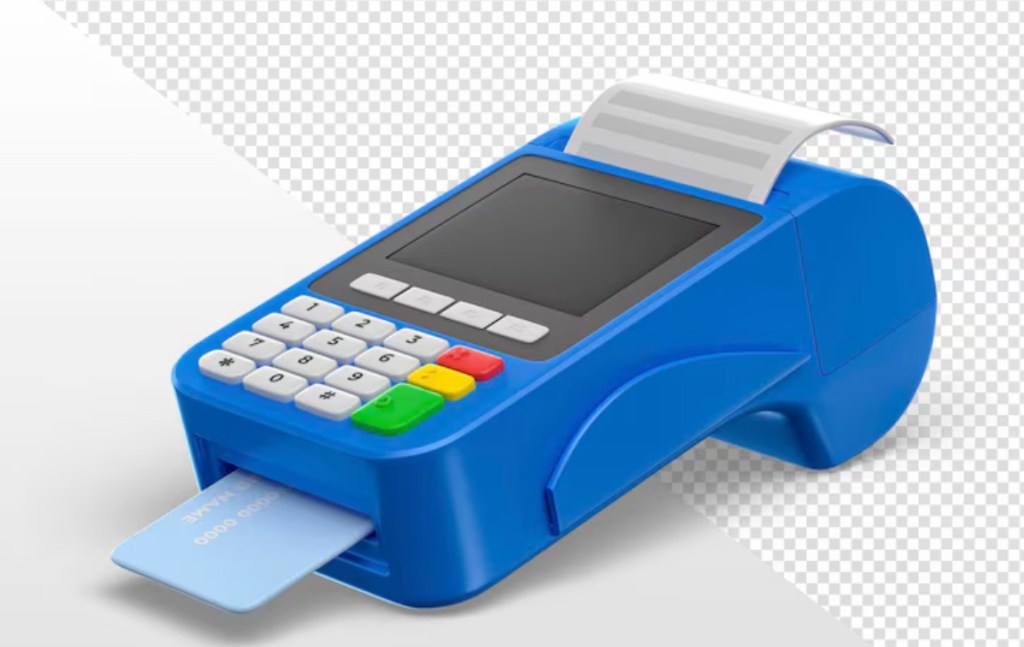
6️⃣ POS Agent (Small Scale)
If POS services are limited in your area, this is a good option.
📌 Why it works:
Daily commissions
High demand
Small setup cost
Ensure good location and reliable network.
7️⃣ Digital Services (Using Your Phone)
Examples:
WhatsApp status selling
Facebook
Marketplace selling
Content posting for small businesses
📌 Why it works:
No shop rent
Skill-based
Scalable
Your phone is already a business tool.
Common Mistakes to Avoid
Starting too many businesses at once
Ignoring your location’s demand
Spending all capital at once
Copying others blindly
Start small. Learn fast. Improve gradually.
Final Thoughts
₦50,000 may look small, but what matters most is how you use it. Many successful businesses in Nigeria started with even less.
On Business Ideas NG, our goal is to help you start with what you have and grow consistently.
👉 Explore more practical business ideas on this blog
Starting a business in Nigeria doesn’t always require huge capital.
One of the most affordable and profitable businesses you can start today is the Okrika business.
On Business Ideas NG, we focus on practical and realistic business ideas. In this guide, you’ll learn how to start an Okrika business in Nigeria step-by-step, even if you’re a complete beginner.
What Is Okrika Business?
Okrika business involves buying fairly used clothes, shoes, or accessories at low prices and reselling them for profit. In Nigeria, Okrika items are popular because they are:
Affordable
Durable
Often of foreign quality
This makes the business highly demanded across different income levels.
Why Okrika Business Is Profitable in Nigeria
Here’s why many people are succeeding with Okrika business:
Low startup capital
Fast turnover
High demand all year-round
Flexible selling options (offline & online)
With the right approach, you can start small and grow steadily.
Step-by-Step Guide to Starting a Thrift Business in Nigeria
1️⃣ Decide What to Sell
Start by choosing one category:
Men’s clothes
Women’s clothes
Children’s wear
Shoes or bags
Starting with one niche helps you focus and reduce mistakes.
2️⃣ Get Startup Capital
You can start a thrift business with as little as:
₦20,000 – ₦50,000 (very small scale)
₦100,000 and above (better options)
The key is to start within your budget.
3️⃣ Find a Reliable Supplier
Popular thrift markets in Nigeria include:
Katangua Market (Lagos)
Ariaria Market (Aba)
Tejuosho Market (Lagos)
If you can’t travel, you can buy from trusted middlemen, but always verify quality first.
4️⃣ Sort, Wash, and Package Properly
This is where many sellers fail.
To stand out:
Wash and iron clothes
Sort by size and quality
Remove damaged items
Package neatly
Clean presentation helps you sell faster and at higher prices.
5️⃣ Price for Profit
Don’t underprice yourself.
Consider:
Cost price
Transport
Packaging
Desired profit
Always leave room for small negotiations.
6️⃣ Choose Where to Sell
You can sell through:
Local markets
Facebook Marketplace
WhatsApp Status
Instagram
For beginners, WhatsApp and Facebook work best.
Common Mistakes Beginners Should Avoid
Buying unsorted bales without experience
Selling dirty or wrinkled clothes
Copying prices blindly
Giving goods on credit
Not tracking expenses
Avoiding these mistakes saves you money and stress.
Is Thrift Business Worth It?
Yes — if done correctly.
Thrift business rewards:
Patience
Consistency
Smart buying decisions
It may not make you rich overnight, but it can build steady income over time.
Final Thoughts
Thrift (Okrika) business is one of the most beginner-friendly businesses in Nigeria. You don’t need perfection to start — you need action and consistency.
On Business Ideas NG, we share practical guides to help you start small and grow with confidence.
Starting a business in Nigeria does not always require huge capital.
In fact, some of the most profitable businesses today are built on simple ideas, smart sourcing, and consistency. One such businesses is the Okrika business. Over the years, thrift clothing has grown from being seen as a “low-budget option” to a smart and profitable business that serves millions of Nigerians daily.
If you are looking for a business you can start with small capital, grow steadily, and scale over time, the thrift business is one option you should seriously consider.
In this guide, I will walk you through everything you need to know to start a profitable thrift business in Nigeria, even if you are a complete beginner.
What Is the Okrika Business?
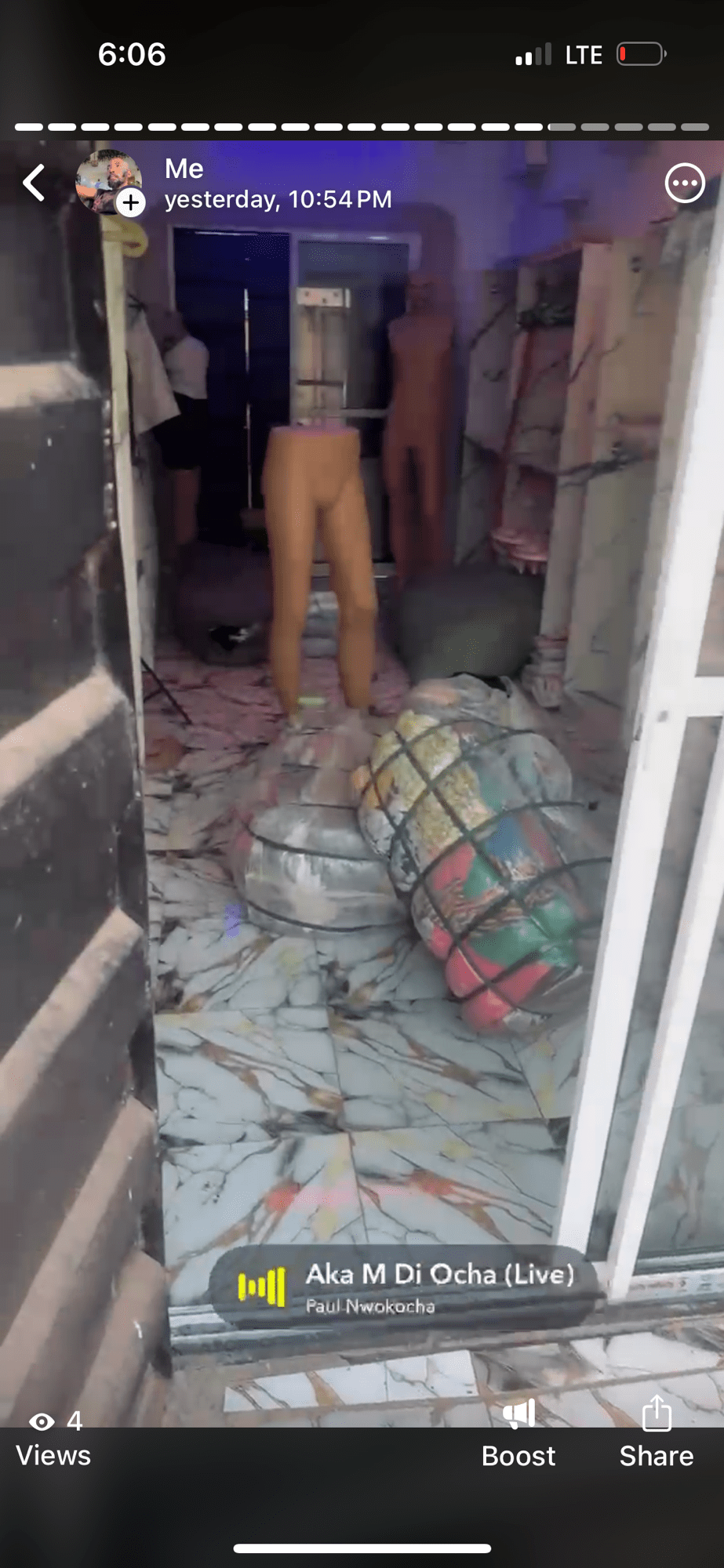
Thrift business, popularly known as Okrika in Nigeria, involves buying fairly used clothes, shoes, bags, or accessories at low prices and reselling them for profit. These items are often imported in bales or bundles from countries like the UK, USA, and Canada.
Many people prefer thrift items because:
They are affordable They are often durable Some are branded or foreign-made They offer better value for money
This consistent demand makes thrift business a reliable source of income.
Why Thrift Business Is Profitable in Nigeria
There are several reasons why thrift business works so well in Nigeria:
High demand: People wear clothes every day, and many prefer cheaper but quality options. Low startup capital: You can start small and grow gradually. Fast turnover: Good items sell quickly, especially if priced correctly. Flexible selling options: Online, offline, or both. Scalable: You can move from small bundles to full bales over time.
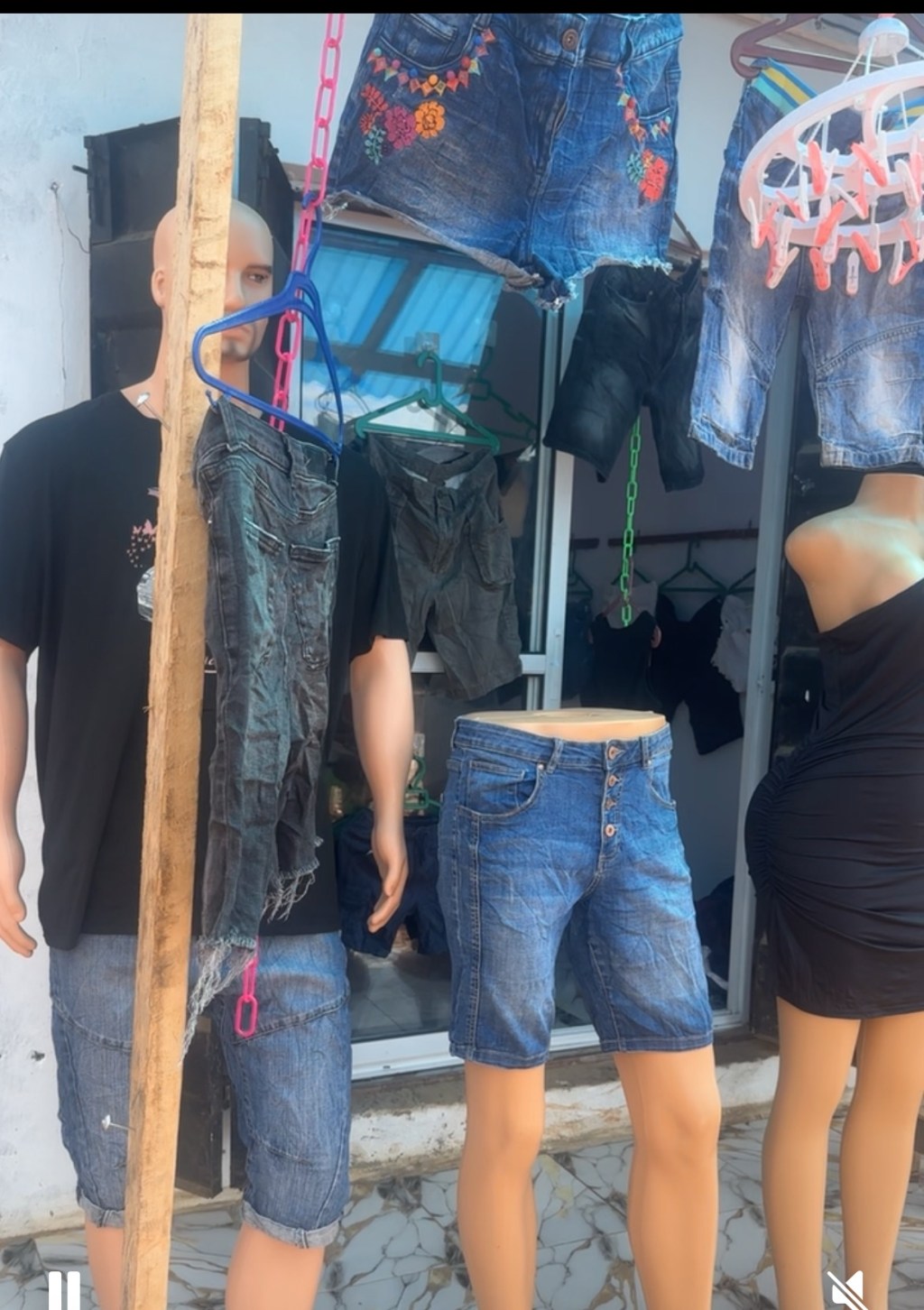
Roadside Stand.
How Much Capital Do You Need to Start?
One of the best things about thrift business is that you can start at almost any level.
₦20,000 – ₦30,000: Small bundles or selected pieces ₦50,000 – ₦100,000: Medium bundles or half bales ₦150,000 and above: Full bales and better quality items
The key is not how much you start with, but how well you manage and sell what you buy.
Where to Buy Thrift (Okrika) Items in Nigeria
Getting the right supplier is one of the most important steps in thrift business.
Common places to buy thrift items:
Popular local markets (depending on your state) Major okrika markets in big cities Online thrift suppliers on WhatsApp, Facebook, or Instagram Direct bale importers and distributors
When buying, always:
Start small Ask questions Check reviews if buying online Avoid rushing into “cheap” deals without proof
How to Choose Profitable Thrift Items
Not all thrift items sell fast. Successful thrift sellers focus on hot-demand items.
Examples of fast-selling items:
Jeans and trousers Corporate shirts and blouses Gowns and dresses Jackets and hoodies Children’s clothes Shoes, especially sneakers Handbags and backpacks
Avoid buying items you personally like but people don’t commonly buy. Business is about market demand, not personal taste.
Pricing Strategy: How to Make Profit
Pricing can make or break your thrift business.
Simple pricing tips:
Add your cost price + transport + small profit Study what others sell similar items for Don’t overprice because of emotions Don’t underprice and kill your profit
Sometimes selling slightly cheaper helps you build customers faster, especially when starting.
How to Sell Your Thrift Items
You don’t need a physical shop to start.
Online selling options:
WhatsApp status Facebook Marketplace Facebook groups Instagram page Personal contacts
Offline selling options:
Small roadside stand Shared shop Open markets Door-to-door (in some areas)
Many successful thrift sellers combine online and offline sales.
Common Mistakes Beginners Make
To save yourself losses, avoid these mistakes:
Buying too many items at once Not checking items properly Poor pricing Ignoring customer feedback Mixing business money with personal money Expecting instant success
Thrift business rewards patience and consistency.
Tools and Resources That Help (This is for Monetization Programs in Thrift (Okrika) Business
As you grow, certain tools can help you manage and scale your thrift business:
Simple bookkeeping tools Social media design tools Online business courses Business strategy books
(This space is for affiliate links later.) yes, you will have access to affiliate links from my blog. This is to early keep you informed.
Final Thoughts
Thrift (okrika) business is not a get-rich-quick scheme, but it is a real and practical business that has helped many Nigerians earn steady income. With the right knowledge, smart sourcing, and consistency, you can turn it into a profitable venture.
The most important step is starting — even if it’s small.
Have you tried thrift business before, or are you planning to start?
Drop your questions or experiences in the comments below.
If you would like a step-by-step thrift business checklist, supplier tips, or personal guidance, let me know in the comments as well.
Starting a business sounds exciting. You see success stories online, bank alerts, flashy lifestyles, and people talking about “freedom.” What they don’t show you is the confusion, mistakes, slow days, and self-doubt that come before any real progress.
If you’re a beginner in business, This isn’t polished theory — it’s real advice that actually helps you survive the early stage.
1. Start Small, But Start Seriously
One of the biggest mistakes beginners make is thinking small means not being serious enough. That’s not true.
Every big business you admire today started small. What matters is not where you start, but how seriously you take it.
If you’re selling clothes, treat it like a real store, even if you only have five pieces.
If you’re offering a service, behave like a professional even if you have only one client.
Open a notebook. Track your income and expenses. Learn your customers’ names. Show up consistently. Small beginnings done seriously grow faster than big ideas handled carelessly.
2. Don’t Wait Until You “Figure Everything Out”
Many people never start because they’re waiting for clarity.
They want to know:
– Will this business work?
– What if I fail?
– What if someone laughs at me?
– What if I choose the wrong thing?
Here’s the truth: clarity comes after action, not before.
You won’t fully understand your business until you start dealing with real customers, real money, and real problems. Planning is good, but overthinking is dangerous.
Start with what you know. Improve as you go. Business rewards motion, not perfection.
3. Learn One Skill That Brings Money
Before logos, branding, or office space, focus on a skill that solves a problem.
Ask yourself:
– What can I do that helps someone save time, make money, or feel better?
– What do people already ask me for help with?
– What am I willing to learn even when it gets boring?
It could be baking, writing, selling, designing, fixing, teaching, organizing, or trading. Skills are assets. Once you have one, money follows faster.
Certificates don’t feed you. Skills do.
4. Your First Goal Is Survival, Not Luxury
Most beginners kill their business by chasing lifestyle instead of stability.
They want fast money, big profit, and enjoyment immediately. But early business is about survival.
Your first goal should be:
– Can this business pay for itself?
– Can I reinvest and grow slowly?
– Can I stay in the game long enough to learn?
When a business survives long enough, growth becomes inevitable. When you rush enjoyment, the business collapses early.
Delay gratification. Build foundations first.
5. Consistency Beats Motivation Every Time
Motivation is emotional. Consistency is practical.
Some days you’ll feel excited. Other days you’ll feel tired, discouraged, or ignored. What separates winners from quitters is not motivation, but the ability to keep going even when nothing is happening.
Post even when no one comments.
Sell even when people say no.
Learn even when results are slow.
Consistency compounds quietly. One day, people will call you “lucky,” not knowing you were just consistent.
6. Don’t Copy Blindly, Learn Intelligently
It’s okay to learn from others. It’s dangerous to copy without understanding.
What works for someone else may not work for you because:
– Their audience is different
– Their timing is different
– Their resources are different
Instead of copying results, study principles.
Ask:
– Why does this work?
– Who is it for?
– How can I adapt it to my situation?
Original thinking built on proven principles is safer than blind imitation.
7. Money Will Expose Your Habits
When money starts coming in, it will expose who you really are.
Some people spend everything.
Some people save nothing.
Some people reinvest wisely.
Develop good money habits early:
– Separate business money from personal money
– Reinvest before enjoyment
– Track every expense, no matter how small
If you can manage small money well, big money won’t destroy you.
8. Business Is Personal Development in Disguise
Running a business will teach you patience, discipline, communication, and emotional control.
You’ll learn:
– How to handle rejection
– How to negotiate
– How to solve problems under pressure
– How to believe in yourself without external validation
If you stay long enough, business will improve you before it improves your bank account.
Final Thoughts
If you’re a beginner, don’t be ashamed of not knowing everything. Nobody does at the start.
Focus on learning, staying consistent, and improving one step at a time. Business is not a sprint; it’s a long walk that rewards those who refuse to quit.
Start where you are. Use what you have. Do what you can.





















 Business Ideas NG