Category: Blogging

  • Why Your Blog is Getting Traffic But Making No Money

    Why Your Blog is Getting Traffic But Making No Money

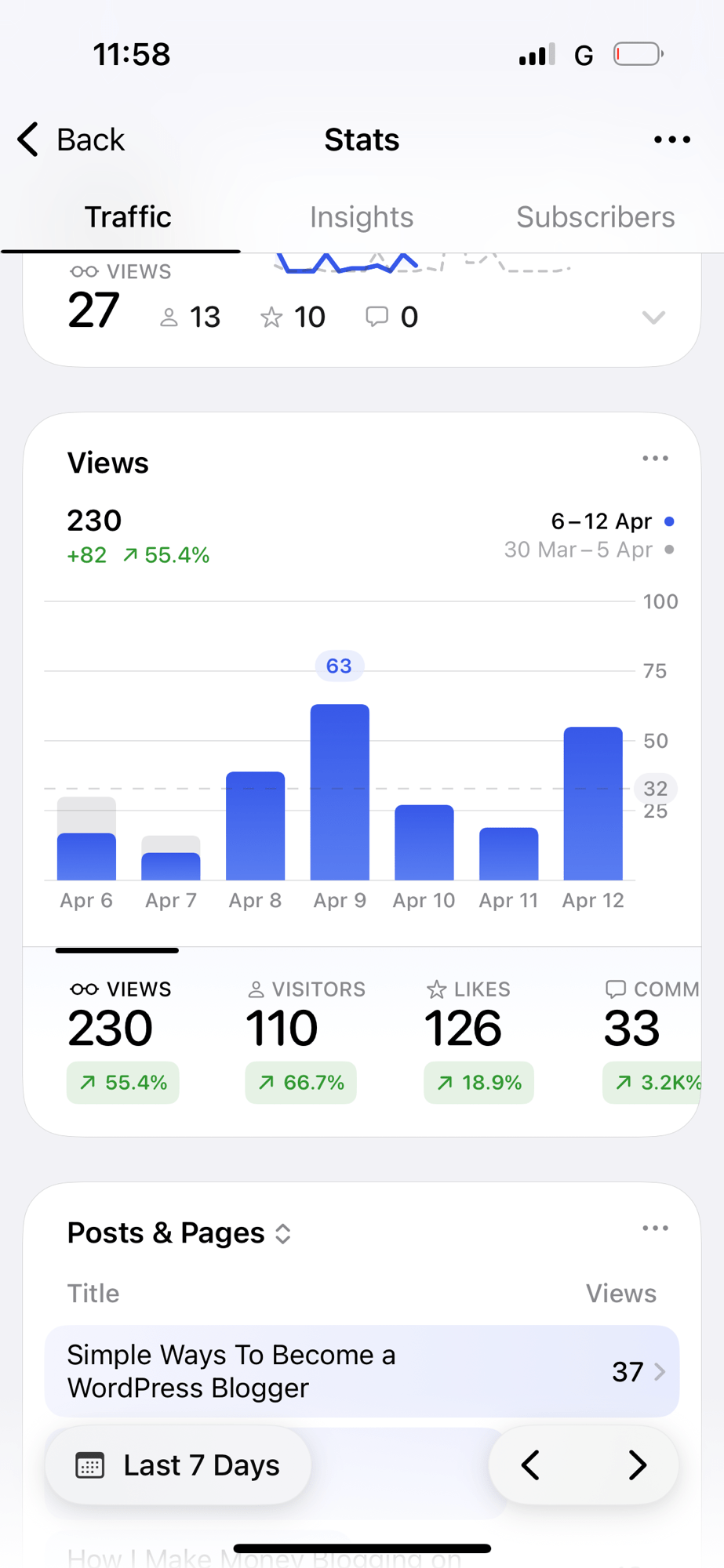
    You check your analytics every morning. The numbers look decent — maybe a few hundred daily visitors, a good bounce rate, some posts ranking on Google. Yet at the end of the month, your bank account tells a completely different story. Nothing. Zero income. Or something so small it barely qualifies as money.

    If this sounds painfully familiar, you are not alone. Thousands of bloggers around the world — especially in Nigeria — find themselves trapped in this frustrating gap between traffic and income. The good news is that this problem is almost always fixable once you understand why it is happening in the first place.

    This post breaks down the most common reasons your blog is getting traffic but making absolutely no money, and more importantly, what you can do to turn that around starting today.

    1. You Have No Clear Monetization Strategy

    This is the number one reason most bloggers earn nothing despite having real traffic. Many bloggers build their sites with vague hopes of “eventually making money,” but hope is not a strategy.

    If you have not clearly decided how your blog will generate income, your visitors will come, read, and leave without contributing a single naira or dollar to your pocket. You need to decide early and deliberately which income streams you are going to pursue — and then build your content around those streams.

    If you are unsure where to start, read this detailed guide on How to Monetize a New Blog in Nigeria Without Adsense which outlines seven practical income paths you can activate even with a brand new blog.

    2. You Are Targeting the Wrong Kind of Traffic

    Not all traffic is equal. A thousand visitors who are bored and browsing are worth far less than one hundred visitors who are actively searching for a solution to a specific problem they need to solve today.

    This is called buyer intent traffic versus curiosity traffic. If your blog posts are mostly attracting people who are casually reading for entertainment, they are unlikely to click affiliate links, buy your products, or hire your services.

    To fix this, shift your content strategy toward what SEO professionals call “commercial intent” keywords. These are search phrases where the reader already has their wallet out — mentally speaking. Examples include “best tools for Nigerian bloggers,” “how to start an Okrika business with small capital,” or “USA bank accounts for Nigerian entrepreneurs.” These readers are looking for answers that lead to action.

    3. You Are Still Waiting for AdSense Approval

    Relying solely on Google AdSense as your monetization plan is one of the most common and costly mistakes Nigerian bloggers make. AdSense approvals are notoriously slow and often rejected for new blogs, and even when approved, the revenue per click for Nigerian traffic is extremely low — sometimes as low as $0.01 per click.

    While you wait for AdSense, your blog is sitting on untapped earning potential. There are far more effective and faster ways to earn. If you have not already explored alternatives, check out the full breakdown on How to Monetize a New Blog in Nigeria Without AdSense, and you will quickly see how much earning potential you have been ignoring.

    4. Your Blog Has No Email List

    Traffic is rented. An email list is owned. When someone visits your blog and leaves without subscribing, they may never return — and you lose that monetization opportunity permanently.

    Bloggers who build email lists earn significantly more than those who do not, because an email list allows you to market to your audience repeatedly, promote affiliate products, announce digital product launches, and pitch services directly to warm leads.

    Start building your list from day one. Add a simple lead magnet — a free PDF, checklist, or short guide — and place an opt-in form on your highest-traffic pages. This single step can transform passive readers into paying customers over time.

    5. You Are Not Using Affiliate Marketing

    One of the fastest ways to earn money from existing blog traffic is affiliate marketing. Yet many bloggers either do not know about it, or they try it half-heartedly by dropping one link at the bottom of a post and wondering why nobody clicks.

    Effective affiliate marketing requires strategic placement, honest recommendations, and content specifically written to attract people who are ready to buy. Review posts, comparison articles, and “best of” guides consistently outperform general informational posts when it comes to affiliate revenue.

    For Nigerian bloggers specifically, there are excellent platforms to start with. If you have not explored this yet, check out 10 High Paying Amazon Affiliate Products For African Bloggers for a list of products with strong commissions and real demand among African audiences.

    Also consider Expertnaire, Jumia’s affiliate program, and Selar — all of which are built with Nigerian payment systems in mind, making it far easier to collect commissions directly.

    6. Your Blog Has No Products or Services to Sell

    If you are depending entirely on other people’s products (via affiliate marketing) or on ad networks, you are leaving the biggest slice of income on the table. Bloggers who sell their own digital products or services consistently earn more per visitor than those who do not.

    You do not need a complex product line to get started. A single well-crafted eBook, a one-hour consulting session, a template, or a paid WhatsApp community can generate meaningful income from even modest traffic levels.

    Think about what your readers come to you for. What problem does your blog solve? Package that knowledge into something people can pay for. Platforms like Selar and Paystack Storefront make it simple for Nigerian bloggers to collect payments and deliver products without needing a complex tech setup.

    If you are still figuring out how blogging on WordPress works at a foundational level, Simple Ways To Become a WordPress Blogger is a good place to revisit the basics and make sure your setup is optimized for selling.

    7. You Are Not Writing the Right Type of Content

    Many bloggers write only what they enjoy rather than what their audience needs and what the monetization strategy demands. Passion posts are valuable for brand building, but they rarely convert into income.

    The highest-earning blog posts generally fall into a few categories: how-to guides that solve a specific problem, product reviews, comparison posts, and case studies. These formats naturally attract readers with buying intent and give you genuine opportunities to recommend paid solutions.

    Take a look at your existing posts. Are most of them informational with no natural monetization angle? If so, begin adding money-making posts alongside them — not by abandoning what you already have, but by giving your traffic a place to go that generates income.

    8. You Are Not Optimizing for Dollar Earnings

    If your blog targets a primarily Nigerian audience but your income depends on ad networks or affiliate programs that pay in dollars, the mismatch in audience purchasing power can reduce your earnings significantly.

    One smart solution many Nigerian bloggers are exploring is diversifying their payment collection to capture dollar-denominated income. This includes setting up US bank accounts through fintech platforms that serve Nigerians abroad, which allow you to receive payments from international clients and platforms without currency conversion losses.

    For practical steps on this, see Easy And Simple Ways To Create USA Bank Account as Nigeria Blogger and Things To Do With Your USA Grey Account To Earn In Dollars — both of which offer actionable steps for capturing more valuable income streams as a Nigerian content creator.

    9. You Have No Calls to Action

    Read through your blog posts right now. Do they end with a clear instruction telling the reader what to do next? Or do they simply end?

    A Call to Action (CTA) is the bridge between your content and your income. Every post should guide the reader toward a specific next step — whether that is clicking an affiliate link, downloading a freebie, booking a consultation, or buying a product. Without CTAs, even the best traffic will read and leave without converting.

    10. You Are Not Learning the Business of Blogging

    Traffic is only one piece of the puzzle. Blogging as a business requires understanding content strategy, SEO, conversion optimization, email marketing, and digital product creation. Bloggers who treat their site as a hobby earn like it is a hobby. Those who treat it like a business invest in learning how it works.

    If you have not already, read How I Make Money Blogging On WordPress (My Story) — a first-person breakdown of what actually works when building a blog into a real income source.

    Also consider why every business owner and entrepreneur should have an online presence. The post 100 Reasons Every Business Owner Should Consider Blogging Their Business makes a compelling case for treating your blog as a full business asset rather than a side project.

    Final Word: Traffic Is Potential — Monetization Is a Decision

    Getting traffic to your blog is proof that your content resonates. But turning that traffic into income is not automatic — it requires deliberate strategy, the right tools, and consistent execution.

    Stop waiting for AdSense. Stop hoping something will click. Make a decision today about how your blog will earn money, set up the right systems, and start creating content that serves both your audience and your income goals.

    The gap between traffic and money is almost always a strategy gap. And now you know exactly where to start closing it.

    Found this helpful? Share it with a fellow blogger and drop your questions in the comments — let’s talk monetization.


  • Why Smart African Entrepreneurs Are Building Email Lists (And Making More Money)

    Why Smart African Entrepreneurs Are Building Email Lists (And Making More Money)

    There is a quiet revolution happening among African entrepreneurs — and most people are completely missing it.

    While others are chasing social media followers, fighting algorithm changes, and watching their reach drop overnight, a growing number of smart African entrepreneurs have quietly shifted their focus to something far more powerful: building an email list.

    And the results? They are making significantly more money — consistently, predictably, and on their own terms.

    If you have been blogging or running an online business in Nigeria or anywhere in Africa and still haven’t built an email list, this article will show you exactly why that needs to change today.

    What Is an Email List and Why Does It Matter?

    An email list is simply a collection of email addresses belonging to people who have voluntarily signed up to receive content, updates, or offers from you. Unlike your social media followers, these are people who have given you direct permission to land in their personal inbox.

    Think about that for a moment. When someone gives you their email address, they are saying: “I trust you enough to invite you into my private space.”

    That is a powerful relationship — one that no social media platform can take away from you.

    This is exactly why many entrepreneurs, after years of relying on Facebook, Instagram, or even blog traffic alone, eventually discover that email is the highest-converting tool they were ignoring. If you have ever wondered why your blog is getting traffic but not making money, the missing piece is very likely an email list. Read more on Why Your Blog Is Getting Traffic But Making No Money

    The African Entrepreneur’s Biggest Problem Online

    Let’s be honest. Many African entrepreneurs — especially Nigerian bloggers and online business owners — face three brutal realities:

    1. Social media reach keeps shrinking. Platforms like Facebook and Instagram keep reducing organic reach. You could have 10,000 followers and barely reach 300 of them without paying for ads.

    2. Blog traffic is unstable. Google algorithm updates can wipe out months of hard work overnight. If your income depends entirely on blog traffic, you are building on sand.

    3. Monetization is hard without a direct audience. Without a loyal audience you can reach directly, selling anything — products, affiliate offers, services — becomes a guessing game.

    An email list solves all three problems at once.

    If you are still figuring out how to make your blog work without AdSense, start thinking about email as your primary monetization engine. Read more on how to Monetize a New Blog in Nigeria Without Adsense

    Why Smart African Entrepreneurs Are Choosing Email Lists

    1. You Own Your Audience

    This is the single most important reason. When you build an email list, that list belongs to you. Facebook can suspend your account. Instagram can ban your page. Google can penalize your blog. But nobody can take away the emails of people who signed up to hear from you.

    Successful African entrepreneurs understand that building on rented land is a business risk. Your email list is land you own outright.

    2. Email Converts Better Than Any Other Channel

    Studies consistently show that email marketing generates significantly higher returns compared to social media or organic search. The reason is simple — email is personal, direct, and intentional.

    When someone opens your email, they are not distracted by memes, trending videos, or 50 other posts. They came specifically to read what you sent. That focused attention translates to higher sales and conversions.

    This is why affiliate marketing works far better when combined with an email list. If you are promoting products to your audience, imagine pitching high-paying Amazon affiliate products directly to 2,000 people who already trust you. Read more on 10 High Paying Amazon Affiliate Products For African Bloggers

    3. It Creates Predictable Income

    One of the biggest frustrations of online entrepreneurship in Africa is unpredictable income. Some months are great; other months are terrible.

    An email list changes that dynamic. When you have a list of engaged subscribers, you can send a well-crafted email promoting a product or service and generate income almost immediately. This predictability is what separates struggling online entrepreneurs from those who are thriving.

    4. It Builds Deep Trust With Your Audience

    Email allows you to communicate in a way that social media never can. You can tell your story, share your experiences, give valuable advice, and build a genuine relationship with your subscribers over time.

    When people trust you, they buy from you. They recommend you. They follow you across platforms. That kind of loyalty is worth more than any number of random followers or website visitors.

    Many bloggers who share personal journeys — like how they started making money blogging from scratch — find that email subscribers are their most loyal readers and buyers. Read more on How I Make Money Blogging On WordPress- My Story

    How to Start Building Your Email List as an African Entrepreneur

    Starting an email list does not have to be complicated or expensive. Here is a simple path to get started:

    Step 1: Choose an Email Marketing Tool

    Platforms like Mailchimp (free up to 500 subscribers), MailerLite, or ConvertKit are excellent starting points. Many have free plans that are perfect for beginners.

    Step 2: Create a Lead Magnet

    A lead magnet is something valuable you offer for free in exchange for someone’s email address. This could be a PDF guide, a free checklist, a mini-course, or exclusive tips related to your niche. Think about what your audience desperately wants to know, then package that into a freebie.

    Step 3: Add Sign-Up Forms to Your Blog

    Place opt-in forms strategically on your blog — in the sidebar, at the end of every article, and as a pop-up. If you are not yet blogging, now is the right time to start. Read more on Simple Ways To Become a WordPress Blogger

    Step 4: Send Consistent, Valuable Emails

    Building a list means nothing if you never email your subscribers. Aim for at least one valuable email per week. Share tips, business insights, personal stories, and relevant offers. Consistency builds trust.

    Step 5: Monetize Strategically

    Once your list grows, you can monetize through affiliate marketing, selling your own digital products, promoting services, or even charging for exclusive content. Every entrepreneur who blogs their business should be doing this. Read more on 100 reasons every Business Owner Should Consider Blogging Their Business On

    The Online Skills African Entrepreneurs Are Finally Taking Seriously

    Building an email list is just one of many online skills that are quickly separating successful African entrepreneurs from those who are struggling. In today’s digital economy, the entrepreneurs who master online tools are the ones who build lasting wealth.

    Email marketing, content creation, SEO, and digital monetization are no longer optional skills — they are essential. The earlier you embrace them, the faster your business grows. (Read more: Many Reasons Why You Should Focus on Online Skills Too as an Entrepreneur)

    A Word on Earning in Dollars as an African Entrepreneur

    Here is something many Nigerian and African entrepreneurs are realizing: your email list does not have to serve only a local audience. With the right strategy, you can attract international subscribers and earn in dollars — dramatically increasing your income.

    This is especially powerful when combined with tools that allow Nigerians to receive international payments easily. Once you are earning from your email list, you need the right financial setup to receive and manage that money effectively. Read more on things to do with your USA Grey Account to Earn Money in Dollars

    Final Thoughts: The Most Valuable Asset You Can Build Online

    If there is one thing this article should leave you with, it is this: your email list is the most valuable digital asset you can build as an African entreprene

    Social media will keep changing. Algorithms will keep making things harder. Blog traffic will keep fluctuating. But an email list — built with care, trust, and consistency — will remain your most reliable source of income and influence for years to come.

    The smart African entrepreneurs already know this. That is why they are building email lists while others are busy chasing followers.

    The question is: when will you start?

    Did you find this article helpful? Share it with a fellow entrepreneur and drop a comment below telling us your thoughts on email marketing.

  • How to Monetize a New Blog in Nigeria Without AdSense

    How to Monetize a New Blog in Nigeria Without AdSense

    Many Nigerian bloggers believe that Google AdSense is the only way to make money from a blog. They wait months chasing AdSense approval, and when it gets rejected, they quit blogging entirely. That is one of the biggest mistakes you can make as a new blogger in Nigeria.
    The truth is, AdSense is actually one of the worst monetization strategies for a new blog. It pays poorly, requires massive traffic, and takes forever to approve Nigerian websites. There are far better and faster ways to monetize a new blog in Nigeria from the very first month of launch.
    If you are serious about making money from your blog, this guide will show you every proven strategy that works without depending on AdSense for even a single kobo.

    Why You Should Not Wait for AdSense to Monetize Your Blog

    Before diving into alternatives, let us be honest about AdSense. To earn meaningful income from AdSense in Nigeria, you need hundreds of thousands of page views every month. For a new blog, that could take years to achieve.
    Meanwhile, other bloggers with smaller audiences are earning six figures monthly through smarter monetization methods. If you already started your blog, you need to understand that waiting for AdSense approval is time wasted. As explored in how i Make Money Blogging On WordPress (My Story), consistent bloggers in Nigeria are generating real income through multiple channels that do not require massive traffic.
    The strategies below work even if your blog only gets a few hundred visitors per day.

    1. Affiliate Marketing — The Most Powerful Way to Earn

    Affiliate marketing is by far the fastest and most scalable way to monetize a new Nigerian blog. You promote other people’s products and earn a commission every time someone buys through your unique link.
    The best part is that you do not need to create any product, handle shipping, or manage customer service. You simply write content, embed your affiliate links, and earn while you sleep.

    Best Affiliate Programs for Nigerian Bloggers:

    Amazon Associates is one of the most accessible affiliate programs for Nigerian bloggers. You can promote millions of products across every niche. As covered in detail in 10 High Paying Amazon Affiliate Products For African, there are high-ticket items that pay generous commissions even with low traffic.
    Jumia Affiliate Program is the best local option for Nigerian bloggers. Jumia pays between 3% and 11% commission on every sale. Since your audience is Nigerian, Jumia products convert better than most international programs because people can buy with ease using local payment methods.
    Expertnaire is a Nigerian digital product marketplace where affiliate commissions range from 30% to 50%. A single sale can earn you between ₦10,000 and ₦50,000 depending on the product. This is a goldmine for bloggers in the business, finance, and self-development niches.
    Konga Affiliate and other SaaS programs also pay well for bloggers in tech, software, and business niches.
    To succeed with affiliate marketing, you need to create honest review articles, comparison posts, and tutorial content that naturally leads readers to purchase through your links.

    2. Sponsored Posts and Brand Collaborations

    Once your blog starts getting consistent traffic — even as little as 1,000 to 5,000 monthly visitors — brands will begin approaching you for sponsored content. Alternatively, you can pitch brands yourself without waiting.

    A sponsored post is when a company pays you to write content about their product or service on your blog. Nigerian bloggers charge anywhere from ₦20,000 to ₦500,000 per sponsored post depending on their niche, traffic, and audience quality.
    How to attract sponsored posts as a new blogger:
    Create a media kit that includes your blog niche, monthly traffic, audience demographics, and your rates. Reach out directly to Nigerian SMEs, startups, and established brands whose products align with your content. Even small businesses in Nigeria are willing to pay for blog exposure if your audience matches their target customer.

    Niches that attract the most sponsorships in Nigeria include business and entrepreneurship, finance and investment, technology, food and lifestyle, and health and wellness.

    3. Selling Your Own Digital Products

    This is the most profitable monetization strategy for any blogger at any traffic level. When you sell your own products, every naira goes directly into your pocket with no middlemen taking cuts.

    Digital products you can create and sell on your blog include eBooks, online courses, templates, guides, checklists, and consulting sessions.

    For example, if your blog focuses on business education like many successful Nigerian blogs, you can package your knowledge into a paid eBook titled something like “How to Start a Business in Nigeria With ₦50,000” and sell it for ₦3,000 to ₦10,000 per copy.

    If you are unsure where to start, revisit Simple Ways To Become a WordPress Blogger for foundational steps to position your blog as a credible platform before launching products.

    You can sell digital products using Selar, Paystack, or Flutterwave — all of which work perfectly for Nigerian sellers without requiring international bank accounts.

    4. Offering Paid Services Through Your Blog

    Your blog is also a powerful portfolio and lead generation tool. If you have any skill — writing, graphic design, social media management, SEO, web development, coaching, or consulting — your blog can attract paying clients every month.

    This is why 100 Reasons Every Business Owner Should Consider Blogging their business makes a strong case for using a blog as a business tool. Every article you publish demonstrates your expertise and attracts people ready to pay for your services.

    A business blog in Nigeria can generate consulting income, freelance writing leads, coaching clients, or even speaking invitations. This works faster than AdSense and pays far more per conversion.

    5. Newsletter Monetization and Email List Building

    Building an email list from day one is one of the smartest decisions a new Nigerian blogger can make. Your email list is an audience you own, unlike social media followers that platforms can take away.

    With a growing email list, you can promote affiliate products directly to subscribers, sell your own digital products via email campaigns, partner with brands for paid newsletter sponsorships, and run exclusive paid newsletters where subscribers pay monthly fees.

    Tools like Mailchimp, ConvertKit, and MailerLite all have free plans that work well for bloggers just starting out. Collect emails from day one using a simple lead magnet such as a free guide, checklist, or mini course.

    6. Freelance Writing and Content Creation for Brands

    Once you have published consistent content on your blog, you have a writing portfolio that Nigerian and international brands will pay for. Many companies — especially startups and digital agencies — need content writers who understand the Nigerian market.

    As covered in Many Reasons You Should Focus on Online Skills too as an Entrepreneur, online writing skills are among the highest-paying remote skills available to Nigerians today. Your blog becomes proof that you can write, and that proof attracts income.

    Platforms like Upwork, Fiverr, and LinkedIn are where you can find international clients, while local Facebook groups and LinkedIn Nigeria connect you to domestic brands.

    7. Membership and Community Monetization

    As your blog grows an audience, you can create a paid membership community around your content. This works exceptionally well for blogs in business, investment, fitness, and personal development niches.

    You charge a monthly or yearly fee for exclusive content, live Q&A sessions, private community access, and members-only resources. Even 50 paying members at ₦5,000 per month generates ₦250,000 monthly — without needing millions of page views.

    Platforms like Patreon, Substack, or even a simple WhatsApp group linked to Paystack can power your membership community.

    Setting Yourself Up for Long-Term Blog Income

    Understanding The Risks Of Not Having Side Hustle As Salary earner makes it clear that relying on a single income stream is dangerous. The same logic applies to your blog — never rely on just one monetization method.

    The most successful Nigerian bloggers combine affiliate marketing, digital products, and services into a diversified income system. They do not need millions of visitors because each visitor converts more profitably.

    If you have not already done so, make sure you have the right foundation in place. Start by reading how to Choose a Domain Name For Your Blog to ensure your brand is set up correctly, then explore the Best Blogging Tools Americans Are Using Right Now to optimize your workflow and productivity as your blog grows.

    Final Thoughts: Choose the Right Combination

    The secret to monetizing a new blog in Nigeria without AdSense is not to rely on a single income stream. Instead, combine two or three of the methods above based on your niche, skills, and audience.

    Start with affiliate marketing to earn passively while you write. Add a service offering to generate active income immediately. Then work toward launching a digital product as your audience grows.

    Most importantly, focus on creating genuinely helpful content consistently. Traffic is the foundation of blog income — and traffic follows value. When your blog becomes a trusted resource in your niche, the monetization opportunities will multiply on their own.

    Nigerian bloggers are building real businesses online every day. You can too — with or without AdSense.

    Ready to start monetizing your blog? Drop your questions in the comments below or share this post with a fellow Nigerian blogger who needs it.

  • How to Choose a Domain Name for Your Blog

    How to Choose a Domain Name for Your Blog

    Choosing the right domain name is one of the most critical decisions you will make when starting a blog. Your domain name is your online identity—it influences your brand, credibility, SEO performance, and even how easily readers can find and remember your blog.

    A good domain name can set you apart in a crowded online space, while a poor choice can limit your growth and confuse your audience. Whether you are starting a personal blog, a niche website, or a business platform, understanding how to choose the right domain name is essential for long-term success. If you’re new to blogging, check out these Simple Ways To Become WordPress Blogger

    In this guide, you will learn practical steps, proven strategies, and common mistakes to avoid when selecting a domain name for your blog.

    What Is a Domain Name?

    A domain name is the web address people type into their browser to visit your website (e.g., yourblogname.com). It replaces complex IP addresses with something easy to remember.

    Think of your domain name as:

    Your brand name

    Your first impression

    Your digital asset

    Why Your Domain Name Matters

    Before diving into how to choose one, let’s understand why it is important:

    1. First Impression Counts

    Your domain name is often the first thing users see. A clean, professional name builds trust instantly.

    2. SEO Benefits

    A well-optimized domain name can improve your visibility on search engines, especially if it contains relevant keywords.

    3. Brand Identity

    Your domain name defines your brand voice, niche, and uniqueness.

    4. Memorability

    A simple and catchy domain is easier to remember and share.

    Step-by-Step Guide to Choosing a Domain Name

    1. Keep It Short and Simple

    Short domain names are:

    Easier to remember

    Faster to type

    Less prone to errors

    Example:

    Good: blogtips.com

    Bad: bestbloggingtipsforbeginnersonline.com

    Aim for 6–14 characters if possible.

    2. Make It Easy to Spell and Pronounce

    Avoid complicated words, slang, or confusing spellings. If people can’t spell it, they won’t find your blog.

    Test:

    Say your domain name out loud. If someone struggles to write it correctly, reconsider.

    3. Use Keywords Strategically

    Including a keyword related to your niche can help with SEO.

    Examples:

    foodblogger.com

    techreviewsng.com

    fitnessguidehub.com

    However, avoid keyword stuffing. Focus on natural and brandable names.

    4. Choose the Right Domain Extension

    The most common extensions include:

    .com (best and most trusted)

    .net

    .org

    .ng (for Nigerian audience)

    Recommendation:

    Always go for .com if available. If not, consider alternatives but ensure credibility.

    5. Make It Brandable

    A strong brandable domain name:

    Is unique

    Stands out

    Is easy to recall

    Examples:

    google.com (unique)

    facebook.com (brandable)

    Avoid generic names like:

    bestblog123.com

    6. Avoid Numbers and Hyphens

    Numbers and hyphens create confusion.

    Example:

    bad: blog-4-you.com

    good: blogforyou.com

    Users may forget whether to type the number or spell it out.

    7. Think Long-Term

    Choose a domain name that will grow with your blog.

    Avoid limiting names like:

    lagosfoodonly.com (if you plan to expand globally)

    Instead:

    globalfoodguide.com

    Once you’ve picked your domain name, the next step is setting up your blog with the right blogging tools

    8. Check Availability on Social Media

    Consistency across platforms is important.

    Before choosing a domain:

    Check if the same name is available on social media

    Ensure brand uniformity

    9. Avoid Copyright and Trademark Issues

    Do not use names that are already trademarked.

    This can lead to:

    Legal issues

    Loss of your domain

    Always do a quick search before registering.

    10. Use Domain Name Generators (If Needed)

    If you’re stuck, use tools like:

    Name generators

    Keyword combiners

    They can spark creative ideas.

    Common Mistakes to Avoid

    1. Choosing a Trendy Name That Won’t Last

    Trends fade. Choose something timeless.

    2. Making It Too Niche

    Avoid names that box you into one topic forever.

    3. Ignoring Your Audience

    Your domain should resonate with your target audience.

    4. Overcomplicating It

    Simple always wins.

    Examples of Good Domain Names

    smartblogger.com

    nichehacks.com

    probloggingguide.com

    These names are:

    Short

    Clear

    Brandable

    How to Buy Your Domain Name

    Follow these steps:

    1. Choose your domain name

    2. Visit a domain registrar (like GoDaddy or Namecheap)

    3. Search for availability

    4. Register and pay

    5. Connect it to your hosting

    Tips for Nigerian Bloggers

    If you’re blogging from Nigeria:

    Consider .com.ng for local targeting

    Use local keywords if your audience is Nigerian

    Keep pricing in mind (domains can vary in cost)

    Final Checklist Before Choosing a Domain

    Ask yourself:

    Is it easy to remember?

    Is it easy to spell?

    Does it reflect my niche?

    Is it future-proof?

    Is it available on social media?

    If you answer “yes” to all, you’re ready to go.

    Conclusion

    Choosing a domain name is not something you should rush. It is a long-term investment in your blog’s success. A good domain name helps you build credibility, improve SEO, and create a strong brand identity.

    Take your time, brainstorm ideas, test options, and choose wisely. Remember, your domain name is the foundation of your blogging journey.

  • The Best Blogging Tools Americans Are Using Right Now

    The Best Blogging Tools Americans Are Using Right Now

    Blogging in 2026 is more competitive—and more rewarding—than ever. With millions of blogs competing for attention, success depends not just on creativity but on using the right tools. Across the United States, bloggers are leveraging powerful platforms and software to streamline content creation, improve SEO rankings, and grow their audiences.

    Whether you’re a beginner or an experienced content creator, understanding the most popular blogging tools can help you stay ahead. This guide explores the best blogging tools Americans are using right now and how they can elevate your blogging journey. How To Make Money On WordPress

    1. Content Management Systems (CMS)

    A reliable content management system is the foundation of any successful blog.

    WordPress.org

    WordPress remains the most widely used blogging platform in the U.S. Its flexibility, thousands of plugins, and customizable themes make it suitable for beginners and professionals alike. Bloggers appreciate its scalability and SEO-friendly structure. Before You Start Blogging, you’ll need to Choose a Domain Name For Your Blog

    Wix

    Wix is popular among beginners who prefer a drag-and-drop interface. It simplifies web design without requiring coding knowledge, making it ideal for personal blogs and small businesses.

    Squarespace

    Known for its sleek templates, Squarespace is widely used by creatives such as photographers, designers, and lifestyle bloggers. It offers an all-in-one solution for blogging and website management.

    2. SEO Tools for Higher Rankings

    Search engine optimization (SEO) is essential for driving organic traffic.

    Ahrefs

    Ahrefs is a powerful SEO tool used by many American bloggers for keyword research, backlink analysis, and competitor insights. It helps bloggers identify opportunities to rank higher on search engines.

    SEMrush

    SEMrush offers a comprehensive suite of tools for keyword tracking, site audits, and content optimization. It’s particularly useful for bloggers who want data-driven strategies.

    Yoast SEO

    A must-have plugin for WordPress users, Yoast SEO simplifies on-page optimization by guiding users on keyword placement, readability, and meta descriptions.

    3. Writing and Editing Tools

    Creating high-quality content is at the heart of blogging success.

    Grammarly

    Grammarly is widely used to check grammar, spelling, and tone. It ensures that blog posts are clear, professional, and error-free.

    Hemingway Editor

    Hemingway Editor helps bloggers improve readability by highlighting complex sentences and suggesting simpler alternatives.

    Google Docs

    Google Docs is a favorite for drafting and collaboration. Its cloud-based system allows bloggers to access their work from anywhere.

    4. Keyword Research Tools

    Understanding what your audience is searching for is crucial.

    Ubersuggest

    Ubersuggest is a beginner-friendly tool that provides keyword ideas, search volume, and SEO difficulty.

    Google Keyword Planner

    This free tool from Google helps bloggers discover relevant keywords and estimate traffic potential.

    AnswerThePublic

    AnswerThePublic visualizes search queries, helping bloggers create content that answers real user questions.

    5. Design and Visual Content Tools

    Visuals play a major role in engagement and branding.

    Canva

    Canva is one of the most popular design tools among American bloggers. It offers templates for blog graphics, social media posts, and infographics.

    Adobe Photoshop

    For advanced users, Photoshop provides professional-level editing capabilities for images and graphics.

    Unsplash

    Unsplash provides high-quality, royalty-free images that bloggers can use to enhance their posts.

    6. Social Media Management Tools

    Promotion is key to growing a blog audience.

    Hootsuite

    Hootsuite allows bloggers to schedule and manage posts across multiple social media platforms from one dashboard.

    Buffer

    Buffer is another popular tool for scheduling content and analyzing performance.

    Later

    Later is especially useful for visual platforms like Instagram, helping bloggers plan and schedule posts effectively.

    7. Email Marketing Tools

    Email marketing remains one of the most effective ways to engage readers.

    Mailchimp

    Mailchimp is widely used for creating email campaigns, newsletters, and automated sequences.

    ConvertKit

    ConvertKit is designed specifically for creators and bloggers, offering powerful automation and subscriber management features.

    Substack

    Substack combines blogging and email marketing, allowing writers to publish content directly to subscribers.

    8. Analytics and Performance Tracking

    Tracking performance helps bloggers refine their strategies.

    Google Analytics

    Google Analytics provides detailed insights into website traffic, user behavior, and content performance.

    Google Search Console

    This tool helps bloggers monitor their site’s presence in search results and fix technical issues. Google Crawling Issues To Avoid

    Hotjar

    Hotjar offers heatmaps and user recordings, helping bloggers understand how visitors interact with their site.

    9. Monetization Tools

    Many American bloggers use their platforms to generate income.

    Google AdSense

    AdSense allows bloggers to earn money by displaying ads on their websites.

    Amazon Associates

    Amazon’s affiliate program enables bloggers to earn commissions by promoting products.

    Patreon

    Patreon allows bloggers to earn recurring income by offering exclusive content to subscribers.

    10. Productivity and Workflow Tools

    Efficient workflows are essential for consistent blogging.

    Trello

    Trello helps bloggers organize tasks and manage editorial calendars.

    Notion

    Notion combines note-taking, project management, and collaboration features in one platform.

    Asana

    Asana is useful for managing complex blogging projects and team collaboration.

    Why These Tools Matter

    The blogging landscape in the United States is constantly evolving. Bloggers who succeed are those who adapt quickly and leverage the best tools available. These tools not only save time but also improve content quality, enhance SEO performance, and increase revenue potential.

    By integrating the right combination of tools into your workflow, you can focus more on creativity and less on technical challenges.

    Final Thoughts

    The best blogging tools Americans are using right now reflect a balance between creativity, technology, and strategy. From powerful CMS platforms to advanced SEO tools and monetization systems, these resources empower bloggers to build successful online brands.

    If you’re serious about blogging, investing time in learning and using these tools is essential. Start with a few key tools that match your needs, and gradually expand your toolkit as your blog grows.

    With the right approach and the right tools, your blogging journey can be both profitable and fulfilling.

  • Here Are Reasons Why Google Could Stop Crawling Your Blog — And Why You Might Stop Being Indexed on Search Engines

    Here Are Reasons Why Google Could Stop Crawling Your Blog — And Why You Might Stop Being Indexed on Search Engines

    Search engine visibility is the lifeblood of most blogs. When your content is indexed, it becomes discoverable to millions of users searching for answers, products, or services. However, many bloggers experience a sudden drop in traffic without realizing that search engines may have stopped crawling or indexing their websites.

    If Google stops crawling your blog—or worse, removes your pages from its index—your organic traffic can disappear almost overnight. Understanding why this happens is essential for maintaining your blog’s visibility and long-term growth.

    In this article, we’ll explore the key reasons Google may stop crawling your blog and why your pages might no longer appear in search results.

    1. Your Website Has Crawling Errors

    One of the most common reasons Google stops crawling a blog is persistent crawling errors. These errors occur when search engine bots attempt to access your website but fail.

    Common crawl issues include:

    Broken links (404 errors)

    Server errors (5xx errors)

    DNS issues

    Redirect loops

    If your site frequently returns errors, Google may reduce crawl frequency or abandon crawling altogether. Over time, affected pages can be removed from the index.

    Solution:

    Regularly monitor your site using tools like Google Search Console and fix errors promptly. Ensure your hosting environment is stable and responsive.

    2. You Blocked Search Engines Accidentally

    Sometimes, bloggers unintentionally prevent search engines from crawling their sites. This often happens due to incorrect technical settings.

    Key culprits:

    robots.txt blocking important pages

    Meta tags like noindex or nofollow

    CMS settings that discourage search engine visibility

    A single misconfiguration can deindex your entire blog.

    Solution:

    Check your robots.txt file and ensure important pages are allowed. Also, review your page source for unintended noindex tags.

    3. Poor Website Structure and Navigation

    Search engines rely on internal links to discover and crawl content. If your blog has poor navigation or lacks a clear structure, Google may struggle to find your pages.

    Signs of poor structure:

    Orphan pages (no internal links)

    Deep page hierarchy (pages buried too far)

    Broken navigation menus

    If Google cannot easily access your content, it may stop crawling certain sections.

    Solution:

    Create a logical site structure. Use categories, internal links, and clear navigation menus to help search engines and users alike.

    4. Low-Quality or Thin Content

    Google prioritizes high-quality, valuable content. If your blog contains thin, duplicate, or low-value content, it may gradually lose visibility.

    Examples of low-quality content:

    Articles with little useful information

    Duplicate or scraped content

    Keyword stuffing

    Automatically generated posts

    If your blog consistently publishes low-quality content, Google may reduce crawl frequency or remove pages from the index.

    Solution:

    Focus on creating original, in-depth, and helpful content. Aim to solve real problems for your audience.

    5. Duplicate Content Issues

    Duplicate content confuses search engines. When multiple pages contain similar or identical content, Google may struggle to determine which one to index.

    Common causes:

    URL variations (with and without “www”)

    HTTP vs HTTPS versions

    Reposted content across multiple pages

    This can lead to indexing issues or even partial deindexing.

    Solution:

    Use canonical tags to indicate the preferred version of a page. Also, consolidate duplicate content where possible.

    6. Slow Website Speed

    Page speed is a critical ranking and crawling factor. If your website loads slowly, it can negatively impact crawl efficiency.

    Google allocates a crawl budget to each website. Slow-loading pages consume more resources, reducing the number of pages Google can crawl.

    Causes of slow speed:

    Large images

    Poor hosting

    Excessive plugins

    Unoptimized code

    Solution:

    Optimize images, use caching, and invest in reliable hosting. A faster website improves both user experience and crawl efficiency.

    7. Your Site Has Been Penalized

    Google penalties can drastically affect your blog’s visibility. These penalties can be manual (applied by reviewers) or algorithmic.

    Reasons for penalties:

    Spammy backlinks

    Keyword stuffing

    Cloaking or deceptive practices

    Thin affiliate content

    A severe penalty can lead to deindexing.

    Solution:

    Follow best SEO practices. If penalized, identify the issue, fix it, and submit a reconsideration request if necessary.

    8. Lack of Regular Updates

    Websites that are rarely updated may be crawled less frequently. Google prioritizes fresh content and active websites.

    If your blog becomes inactive, it may gradually lose crawl priority.

    Solution:

    Publish content consistently. Even updating old posts can signal activity to search engines.

    9. Poor Mobile Optimization

    Google uses mobile-first indexing, meaning it primarily evaluates the mobile version of your site.

    If your blog performs poorly on mobile devices, it can affect both crawling and indexing.

    Issues include:

    Unresponsive design

    Slow mobile load time

    Poor usability

    Solution:

    Ensure your website is mobile-friendly and responsive across all devices.

    10. Security Issues and Malware

    If your blog is compromised by hackers or infected with malware, Google may block or remove it from search results to protect users.

    Warning signs:

    Sudden drop in traffic

    Browser security warnings

    Unknown content appearing on your site

    Solution:

    Use strong security practices, install SSL certificates, and regularly scan for vulnerabilities.

    11. Improper Use of Redirects

    Redirects are useful, but incorrect implementation can confuse search engines.

    Problematic scenarios:

    Redirect chains

    Redirect loops

    Temporary (302) instead of permanent (301) redirects

    These issues can prevent proper crawling and indexing.

    Solution:

    Use clean, direct redirects and ensure they point to relevant pages.

    12. You Exceeded Crawl Budget

    Large websites must manage their crawl budget efficiently. If your blog has many low-value pages, Google may waste resources crawling them instead of important content.

    Examples:

    Tag pages with little content

    Archive pages

    Duplicate URLs

    Solution:

    Block low-value pages using robots.txt or noindex tags and prioritize high-quality pages.

    13. Domain or Hosting Issues

    Frequent downtime or domain problems can signal instability to Google.

    Examples:

    Expired domain

    Unreliable hosting

    Frequent server crashes

    If Google cannot access your site consistently, it may stop crawling.

    Solution:

    Ensure your domain is active and choose a reliable hosting provider.

    14. Backlink Problems

    Backlinks play a major role in SEO. A sudden loss of backlinks or an influx of spammy links can impact your blog’s credibility.

    Issues include:

    Toxic backlinks

    Link schemes

    Sudden link drops

    Solution:

    Monitor your backlink profile and disavow harmful links when necessary.

    15. Technical SEO Misconfigurations

    Technical SEO issues can quietly disrupt crawling and indexing.

    Common problems:

    Missing XML sitemap

    Incorrect canonical tags

    JavaScript rendering issues

    Solution:

    Maintain a clean and updated XML sitemap and ensure your site is technically optimized.

    Final Thoughts

    Losing your presence in search engine results can be devastating, but it rarely happens without warning signs. Most crawling and indexing issues stem from technical errors, poor content quality, or neglect.

    The good news is that these problems are usually fixable. By regularly auditing your blog, maintaining high-quality content, and following SEO best practices, you can ensure that Google continues to crawl and index your site effectively.

    Consistency, quality, and technical health are the pillars of sustainable SEO success.

  • How I Make Money Blogging on WordPress (My Story)

    How I Make Money Blogging on WordPress (My Story)

    When I first started blogging on WordPress, I had no idea it could become a real source of income. Like many beginners, I thought blogging was just an online diary or a place to share ideas. Fast forward to today, blogging has become one of my most reliable income streams. Best Niches For Blogging

    In this post, I’ll walk you through my personal journey—how I started, the mistakes I made, and the exact ways I make money blogging on WordPress. If you’re just starting or struggling to earn from your blog, this story might give you clarity and direction.

    How It All Started

    My blogging journey began with curiosity. I had a passion for writing and wanted to share my thoughts online. I chose WordPress because it was flexible, widely used, and beginner-friendly. The Most Simplest Way To Become WordPress Blogger

    At the beginning:

    I had no niche

    I didn’t understand SEO

    I wasn’t thinking about money

    I simply wrote about anything that came to mind. Unsurprisingly, I had almost no traffic for months.

    That’s when I realized something important: blogging without strategy is just writing, not a business.

    Finding My Niche

    Everything changed when I decided to focus on a specific niche.

    Instead of writing about random topics, I narrowed down to areas where:

    People were actively searching for information

    I had some level of knowledge or interest

    There was clear potential to make money

    Choosing a niche helped me:

    Build a targeted audience

    Rank better on search engines

    Create content that actually converts

    This was the first major turning point in my blogging income journey.

    Learning SEO (The Game Changer)

    If there’s one skill that transformed my blog, it’s SEO (Search Engine Optimization).

    I learned how to:

    Use keywords properly

    Write search-friendly content

    Optimize titles, headings, and images

    Build internal links. Read more on here are Reasons Why Google Could Stop Crawling Your Blog

    Instead of writing randomly, I started creating content based on what people were searching for.

    Over time:

    My blog traffic increased steadily

    My posts started ranking on Google

    I began getting consistent daily visitors

    Traffic is the foundation of blogging income. Without it, monetization is nearly impossible.

    My First Earnings (And Why It Mattered)

    I still remember the first time I made money from my blog. It wasn’t much—just a few dollars—but it meant everything.

    Why?

    Because it proved that blogging works.

    That small earning gave me motivation to keep going, improve my strategy, and treat my blog like a real business. Risks Of Not Having Side Hustle As A Salary Earner

    How I Make Money Blogging on WordPress

    Now let’s get into the most important part—how I actually make money from my blog.

    1. Affiliate Marketing

    This is my biggest source of income.

    Affiliate marketing means promoting products or services and earning a commission when someone buys through your link.

    What I do:

    Write helpful blog posts (reviews, guides, comparisons)

    Recommend useful products

    Insert affiliate links naturally within content. Read more on 100 High Paying Amazon Affiliate Products For African Bloggers

    Why it works:

    People trust recommendations when content is valuable

    You don’t need to create your own product

    Income can grow passively over time

    Example types of posts:

    “Best tools for beginners”

    “How to start X step-by-step”

    Product reviews

    2. Display Ads

    Once my blog started getting consistent traffic, I applied for ad networks.

    Ads generate revenue based on:

    Page views

    Clicks

    Audience location

    At first, earnings were small, but as traffic increased, so did ad revenue.

    Key lesson:

    More traffic = more ad income. Read more on how to Monetize a New Blog in Nigeria Without Adsense

    That’s why I still prioritize SEO and content creation.

    3. Sponsored Posts

    As my blog grew, brands began reaching out.

    They paid me to:

    Write about their product

    Feature their service

    Publish sponsored content

    This became another income stream.

    However, I’m selective. I only promote products that:

    Align with my niche

    Provide real value to my audience

    Trust is more important than quick money.

    4. Selling Digital Products

    Eventually, I realized I could create my own products.

    Examples:

    eBooks

    Guides

    Templates

    This is powerful because:

    Profit margins are high

    You control pricing

    No middleman is involved

    Creating products turned my blog from just a content platform into a business.

    5. Freelance Opportunities

    Blogging also opened unexpected doors.

    People who read my content started reaching out for:

    Writing jobs

    Consulting

    Website help

    Even though this isn’t passive income, it helped me:

    Earn more money

    Build experience

    Grow my network

    Mistakes I Made (So You Don’t Have To)

    My journey wasn’t perfect. I made several mistakes:

    1. Not Taking It Seriously Early

    I treated blogging like a hobby instead of a business.

    2. Ignoring SEO. Read more on why your Blog is Getting Traffic But Making No Money

    I wrote content without keyword research for months.

    3. Inconsistent Posting

    I wasn’t publishing regularly, which slowed my growth.

    4. Monetizing Too Early

    I focused on making money before building traffic.

    If I could start over, I would:

    Focus on SEO from day one

    Choose a niche earlier

    Be consistent with content

    What Actually Works (My Proven Strategy)

    After years of trial and error, here’s what works for me:

    1. Content First

    High-quality, helpful content is everything.

    2. SEO-Driven Writing

    Every post targets a specific keyword.

    3. Consistency

    Publishing regularly builds momentum.

    4. Multiple Income Streams

    I don’t rely on just one method.

    5. Patience

    Blogging takes time. Results don’t come overnight.

    How Much I Make (Realistic Expectations)

    Let’s be honest—blogging income is not instant.

    In my case:

    First few months: $0

    After consistent effort: small earnings

    Long term: steady and growing income

    Your results will depend on:

    Your niche

    Your strategy

    Your consistency

    But one thing is certain: blogging can become a reliable income source if done right.

    Advice for Beginners

    If you’re just starting, here’s my advice:

    Pick a clear niche

    Learn basic SEO

    Focus on helpful content

    Don’t chase quick money

    Stay consistent

    Most people quit too early. The ones who succeed are the ones who keep going.

    Final Thoughts

    Making money blogging on WordPress changed my life. What started as a simple idea turned into a real income stream that continues to grow.

    It wasn’t easy. It took time, learning, and persistence. But it was worth it.

    If you’re thinking about starting a blog or struggling to make money from one, know this:

    It’s possible.

    Start small, stay consistent, and keep improving. Read more on Simple Ways to Become a WordPress Blogger Your blog could become more than just a website—it could become your freedom.

    Ready to start your blogging journey? The best time to begin is now.

  • Choose Business and Choose Blogs Your Business on Medium

    Choose Business and Choose Blogs Your Business on Medium

    Starting a business in today’s digital world is no longer just about opening a physical shop or office. Smart entrepreneurs now combine business with content creation to grow faster. One powerful way to do this is by blogging about your business on Medium.

    When you choose a business and consistently blog about it on Medium, you create authority, attract customers, and build long-term visibility online. Many successful entrepreneurs today use this simple strategy to promote their ideas, products, and services without spending heavily on advertising.

    In this article, you will learn why choosing a business and blogging about it on Medium can become a powerful growth strategy.

    Why Choosing the Right Business Matters

    Before you even think about blogging, the first step is choosing the right business. A business that solves real problems always has a higher chance of success.

    Many people rush into businesses simply because others are doing them. That approach often leads to frustration and failure.

    Instead, you should consider three key factors when choosing a business.

    1. Solve a Real Problem

    Businesses that succeed usually provide solutions to everyday problems.

    For example:

    Selling affordable thrift clothes Providing digital marketing services Importing useful products people need Offering online training or tutorials

    If your business solves a real problem, it becomes easier to talk about it online and attract customers.

    2. Choose Something You Understand

    It is easier to build a business around something you understand or are willing to learn deeply.

    For instance, if you understand thrift clothing, you can build a business around Okrika sales and also write helpful articles explaining how people can buy quality thrift clothes.

    Knowledge makes your content more authentic and trustworthy.

    3. Ensure the Business Has Long-Term Demand

    Avoid businesses that depend on temporary trends.

    Instead, focus on businesses people will always need such as:

    Clothing Food Education Transportation Online services

    When the business has consistent demand, blogging about it also becomes easier because there are always topics to discuss.

    Why You Should Blog About Your Business

    Many entrepreneurs make a big mistake. They start a business but never talk about it publicly.

    In today’s digital age, visibility is power.

    Blogging allows you to explain your business, educate people, and attract customers.

    Here are some benefits of blogging about your business.

    1. It Builds Authority

    When you consistently write about your business, people begin to see you as an expert.

    For example, if you run a thrift business and publish helpful articles about selecting quality clothes, pricing strategies, and sourcing suppliers, readers will begin to trust your knowledge.

    Authority attracts opportunities.

    2. Blogging Brings Organic Traffic

    Search engines like Google rank helpful content. When your blog posts answer questions people search for, they bring visitors to your business.

    These visitors can become customers, followers, or business partners.

    This is one of the most powerful forms of marketing because it works continuously.

    3. It Builds a Personal Brand

    People connect more with individuals than with businesses.

    Blogging allows you to share your experiences, lessons, and business journey. Over time, readers begin to follow you not just for the information but for your story.

    That personal connection creates loyalty.

    Why Medium Is a Good Platform for Business Blogging

    There are many blogging platforms online, but Medium stands out for several reasons.

    Medium is designed specifically for writing and reading quality content.

    1. Medium Already Has an Audience

    Unlike new websites that start with zero traffic, Medium already has millions of readers.

    When you publish useful articles, the platform can recommend your content to readers interested in similar topics.

    This increases your chances of gaining visibility quickly.

    2. Medium Is Simple to Use

    You do not need technical skills to publish on Medium.

    The platform provides a clean writing interface that allows you to focus on content instead of complicated website settings.

    This makes it ideal for beginners who want to start sharing ideas quickly.

    3. Medium Rewards Quality Content

    Medium values thoughtful and helpful articles.

    If your posts provide real insights or practical knowledge, they can gain attention through shares and recommendations.

    This creates a natural path for your ideas and business message to reach more people.

    How to Blog Your Business on Medium

    Blogging your business on Medium requires a strategic approach. Random writing rarely produces strong results.

    Here are steps to help you blog effectively.

    Choose Topics Related to Your Business

    Every article you write should connect to your business.

    For example, if your business involves importing cars, your topics could include:

    Things to know before importing a car How to identify accidented cars Mistakes people make when importing vehicles

    These topics educate readers while indirectly promoting your expertise.

    Share Real Experiences

    Readers value authenticity.

    Instead of writing generic content, share lessons from real experiences.

    You can discuss:

    Business mistakes you made Challenges you faced Strategies that helped you succeed

    Stories make content more relatable and memorable.

    Be Consistent

    One article is not enough to build authority.

    Consistency is what builds trust and visibility.

    Aim to publish regularly. Even one strong article every week can gradually build a large collection of valuable content.

    Over time, those articles can attract thousands of readers.

    Combining Medium With Your Main Blog

    Many entrepreneurs make the mistake of choosing only one platform.

    A smarter approach is combining platforms.

    For example, you may run a WordPress blog while also publishing on Medium.

    Your WordPress website becomes your main platform where you control everything. Medium can then act as a traffic source that introduces readers to your work.

    You can also summarize your blog articles on Medium and link back to the full version on your website.

    This method helps you reach wider audiences while strengthening your online presence.

    Mistakes to Avoid When Blogging Your Business

    Even though blogging is powerful, some mistakes can limit results.

    Here are a few to avoid.

    Writing Only Promotional Content

    People do not enjoy reading constant advertisements.

    Your content should primarily educate, inspire, or solve problems.

    Promotion should appear naturally within helpful information.

    Inconsistent Posting

    Publishing many articles at once and then disappearing for months weakens your growth.

    Consistency matters more than volume.

    Ignoring Reader Engagement

    If readers leave comments or ask questions, responding builds relationships.

    Engagement increases trust and encourages people to follow your work.

    The Long-Term Advantage of Business Blogging

    Blogging is not a get-rich-quick strategy. It is a long-term growth tool.

    However, the long-term benefits are enormous.

    A single helpful article can continue bringing readers for years.

    Over time, your collection of articles becomes a knowledge library connected to your business.

    This creates opportunities such as:

    Attracting customers Getting partnership offers Building a loyal audience Monetizing your expertise

    Entrepreneurs who combine business with content creation often build stronger brands than those who rely only on physical operations.

    Final Thoughts

    Choosing the right business is the first step toward entrepreneurship. However, promoting that business effectively is equally important.

    Blogging about your business on Medium offers a powerful opportunity to share knowledge, build authority, and reach a global audience.

    Instead of waiting for customers to discover your business, use blogging to bring your ideas directly to people who need them.

    When you consistently publish helpful articles about your business journey, strategies, and experiences, you create value that attracts attention naturally.

    In the modern digital economy, combining business and blogging is no longer optional. It is a smart strategy for entrepreneurs who want visibility, influence, and sustainable growth.

    Start by choosing the right business. Then begin sharing your knowledge on Medium. Over time, your words can become one of the strongest marketing tools your business has.