Category: 5AM Entrepreneur

  • How to Start an Okrika Business in Nigeria with Less Than ₦50,000

    How to Start an Okrika Business in Nigeria with Less Than ₦50,000

    Starting a thrift business in Nigeria is one of the most practical ways to enter the fashion industry with little capital. In this article, you’ll learn how to start, source quality items, price your products, and sell successfully both online and offline.
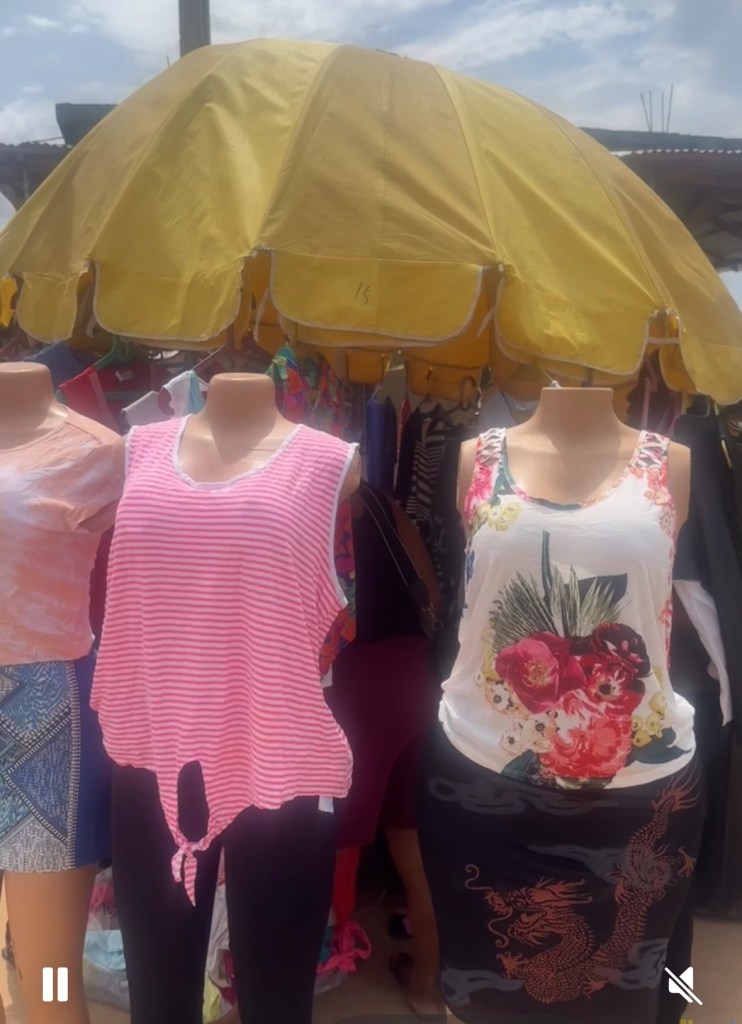
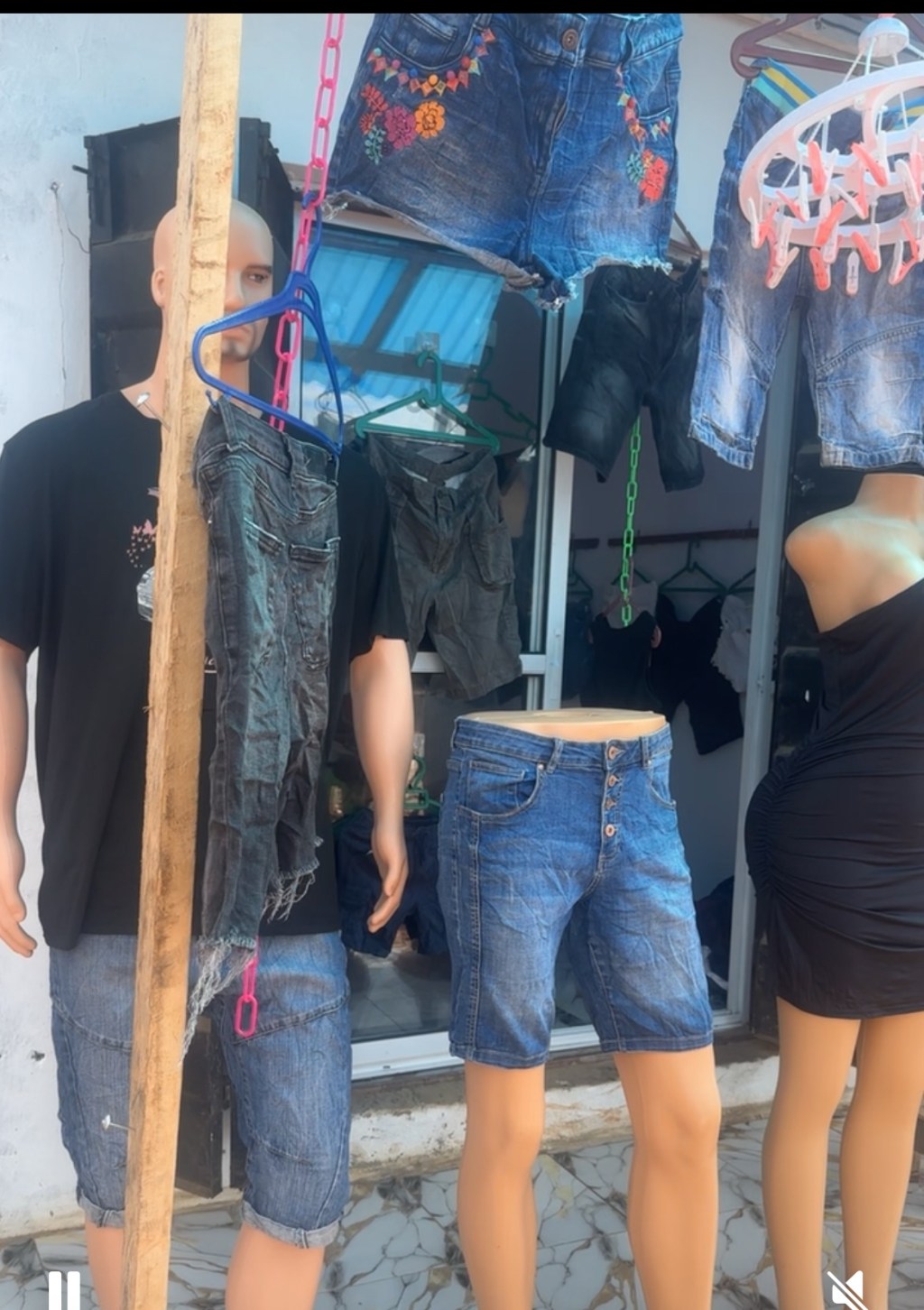
    How to Start a Thrift Business in Nigeria With Small Capital

    Many beginners believe a business plan must be complicated, full of big grammar and financial terms. Because of this belief, they delay starting anything meaningful. The truth is simple: a business plan is not about impressing people. It is about giving your business direction.

    If you are a beginner, your business plan should be clear, realistic, and flexible. You are not predicting the future; you are preparing your mind.

    This article breaks down a simple business plan any beginner can understand and use.

    1. Understand Why You Want to Start the Business

    Before money, before products, before social media, ask yourself one honest question: Why do I want to start this business?

    Some people want freedom from daily expenses.

    Some want extra income.

    Some want long-term stability.

    Your reason matters because it will guide your decisions when challenges show up. A business started because of pressure will collapse under pressure. A business started with clarity survives tough seasons.

    Write your reason down in one or two sentences. Keep it simple and real.

    2. Identify the Problem You Are Solving

    Every successful business solves a problem. Beginners often make the mistake of focusing only on what they want to sell, not what people actually need.

    Instead of saying, “I want to sell food,” ask:

    What food problem am I solving? Convenience? Affordability? Quality? Availability?

    The clearer the problem, the easier it is to attract customers.

    People do not buy products. They buy solutions.

    3. Define Your Product or Service Clearly

    Now describe what you are offering in simple language.

    If someone who knows nothing about business reads your description, they should understand it immediately.

    Avoid long explanations. Focus on:

    What you sell Who it is for How it helps them

    For example, instead of saying “I run a food business,” say:

    “I prepare affordable home-style meals for busy workers who don’t have time to cook.”

    Clarity builds trust.

    4. Know Your Target Customers

    Beginners often say, “Everyone is my customer.” That is rarely true.

    You must decide:

    Who needs your product most? Where are they located? How do they currently solve this problem?

    Your customers could be students, workers, parents, small business owners, or online users. Each group behaves differently and spends money differently.

    When you know your customer, marketing becomes easier and cheaper.

    5. Study Your Competition Without Fear

    Competition is not your enemy. Ignorance is.

    Look at people already doing similar businesses and study:

    What they do well What customers complain about Their pricing style Their customer communication

    Do not copy blindly. Learn what works and improve where they are weak.

    A beginner who studies competition grows faster than one who ignores it.

    6. Set Simple and Realistic Goals

    Your business plan must include goals, but they should be realistic.

    Avoid goals like:

    “I want to make millions in three months.”

    Instead, set goals like:

    First 5 customers First consistent weekly income First month without losses

    Small wins build confidence and momentum.

    Business grows step by step, not by wishes.

    7. Plan Your Basic Operations

    This part answers the question: How will this business run daily?

    Think about:

    Where you will operate from How you will get supplies How customers will place orders How delivery or service will happen

    You don’t need perfection. You need structure.

    A simple system beats confusion every time.

    8. Understand Your Costs and Pricing

    Many beginners fail because they don’t understand their numbers.

    List your basic costs:

    Supplies Transportation Data or communication Packaging Tools or equipment

    Then decide your pricing carefully. Your price should:

    Cover your costs Leave room for profit Still be attractive to customers

    Profit is not greed. Profit is survival.

    9. Decide How You Will Promote the Business

    Marketing does not mean shouting everywhere. It means showing your business to the right people.

    As a beginner, focus on:

    Social media (Facebook, WhatsApp, Instagram) Word of mouth Consistent posting Honest storytelling

    People connect with stories more than adverts.

    Be visible, be helpful, and be consistent.

    10. Accept That Learning Is Part of the Plan

    No beginner gets everything right at the start. Mistakes will happen. Losses may come. Confusion is normal.

    Your business plan should include one important mindset:

    “I am willing to learn, adjust, and grow.”

    Flexibility is power in business.

    Those who refuse to learn eventually quit. Those who learn stay profitable.

    Final Thoughts

    A business plan does not need to be perfect to be powerful. It needs to be clear, honest, and actionable.

    If you are a beginner, stop waiting for confidence. Confidence comes from action.

    Start small. Plan simply. Learn daily. Improve gradually.

    That is how real businesses are built.
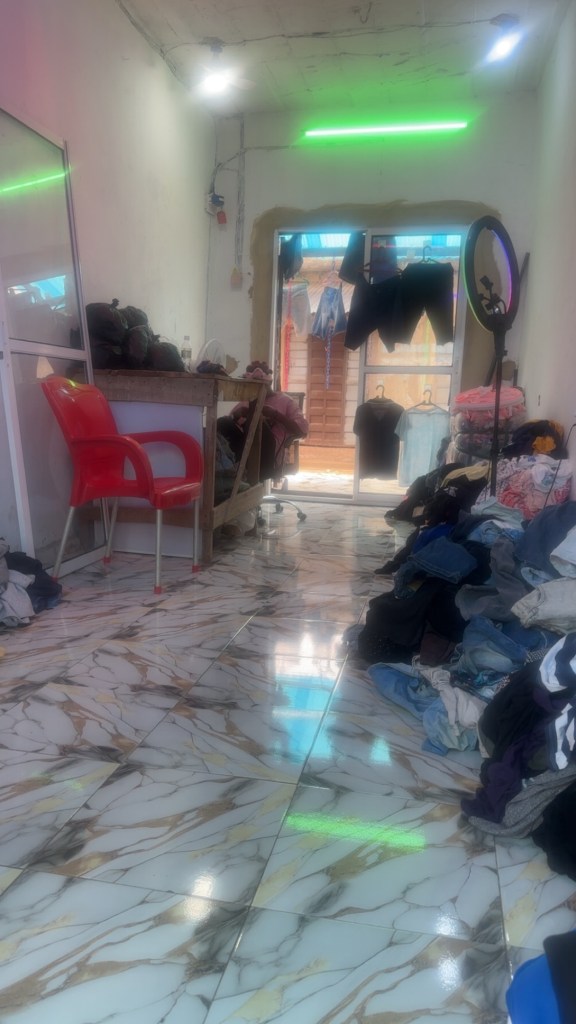
    I Thrift Shop that has chair and clothes on the floor
  • Why Offline Businesses Still Make Sense in a World Obsessed With Online Money

    Why Offline Businesses Still Make Sense in a World Obsessed With Online Money

    Everywhere you turn these days, someone is telling you that money is online.

    Crypto. Forex. Dropshipping. Ads. Content creation. Tech skills.

    And yes — online money is real.

    But here is the uncomfortable truth nobody likes to say clearly: online money has a high learning cost, and many people don’t have the time, patience, or safety net to fail repeatedly before getting it right.

    That doesn’t make them lazy.

    It makes them realistic.

    Offline businesses, the kind people now look down on, are still paying bills quietly — every single day.

    The Problem With Chasing Only Online Income

    Most people chasing online money are not failing because they are not serious enough.

    They fail because online income requires three things many people underestimate:

    Time to learn

    Money to test

    Patience to fail publicly and privately

    Someone who is trying to survive, pay rent, support family, or escape daily financial pressure often cannot afford to “learn for six months” before seeing results.

    Nnamdi Snr Is An International Business Leader, Entrepreneur, Writer And A Blogger.

    Offline businesses, on the other hand, trade complexity for consistency.

    They may not look sexy.

    They may not make you proud online.

    But they work.

    What Offline Businesses Actually Do Better

    Offline businesses succeed because they solve visible, everyday problems.

    People may postpone learning crypto.

    They don’t postpone eating.

    They don’t postpone laundry.

    They don’t postpone charging their phones.

    They don’t postpone transport, cleaning, repairs, or convenience.

    That is the strength.

    Offline businesses are built around demand that already exists, not demand you must create from scratch.

    The Truth About “Small” Offline Businesses

    Many people say things like:

    “That business is too small” “It doesn’t scale” “I want something bigger”

    But what they don’t understand is this: small, steady money is what creates breathing space.

    A business does not need to make you rich immediately.

    It needs to stabilize you first.

    Stability gives you:

    Clear thinking Reduced desperation Better decision-making Capital for future expansion

    Many online earners you admire today were once funded by boring offline income.

    Examples of Offline Businesses People Ignore (But Shouldn’t)

    Let’s talk honestly about a few.

    Laundry Services

    People hate washing clothes. That will never change.

    In busy areas, student environments, or working-class neighborhoods, laundry is not optional — it’s survival.

    You don’t need luxury machines to start.

    You need consistency, cleanliness, and trust.

    Food Supply (Not Restaurants)

    Supplying food to offices, schools, or fixed groups is different from opening a restaurant.

    No fancy branding.

    No sitting customers.

    Just reliable meals at agreed times.

    It’s stressful, yes — but it’s predictable money.

    POS and Bill Payment Services

    This business is stressful. Anyone telling you otherwise is lying.

    But it is also one of the clearest examples of daily demand.

    Money moves every day.

    People need cash every day.

    Bills don’t stop.

    The profit per transaction may be small, but volume makes the difference.

    Cleaning and Home Services

    Convenience is a business.

    People are tired.

    People are busy.

    They will gladly pay someone else to do what they don’t want to do.

    Why Most People Fail at Offline Businesses

    This part is important.

    People don’t fail offline businesses because they don’t work.

    They fail because they misunderstand them.

    Here are common mistakes:

    Starting too big instead of starting workable Ignoring location and visibility Underestimating stress and consistency Treating it like a side joke, not a system Spending too much on aesthetics and too little on service

    Offline businesses reward discipline, not vibes.

    The Ego Problem Nobody Talks About

    One major reason people avoid offline businesses is ego.

    They want something they can announce proudly.

    They want something that sounds impressive.

    But ego is expensive.

    Some of the most financially stable people you know are running businesses you rarely see online.

    They are not loud.

    They are not teaching courses.

    They are busy collecting money.

    Offline First Does Not Mean Offline Forever

    This is important: choosing offline business does not mean rejecting online income.

    Offline income can:

    Fund online experiments Reduce desperation Give you confidence Buy you time to learn skills properly

    Many people fail online because they are too hungry.

    Hunger makes people rush, copy blindly, and fall for scams.

    Offline income calms hunger.

    What You Should Think About Before Starting Any Offline Business

    Before jumping in, ask yourself:

    Who already needs this daily? Where is the traffic? How will money come in consistently? Can I handle this stress for months? What part of this business do people hate the most?

    Where people complain, money hides.

    Final Thoughts

    Offline businesses are not outdated.

    They are not inferior.

    They are not for “people who don’t know better”.

    They are for people who understand reality.

    In a world obsessed with speed, offline businesses reward patience.

    In a world obsessed with hype, they reward consistency.

    Not all money is online.

    And that truth is freeing.

    Nnamdi Snr of Business Ideas NG wearing a white cap
    I deal on Wholesale and Retail Of All Kinds Of Thrift (Okrika business)
  • A Complete Guide to Starting a Successful Okrika Thrift Business in Nigeria

    A Complete Guide to Starting a Successful Okrika Thrift Business in Nigeria

    The thrift clothing business, popularly known in Nigeria as Okrika, has grown into one of the most profitable small businesses anyone can start with relatively low capital. Across many Nigerian markets, thrift clothing continues to attract customers because it offers quality fashion at affordable prices.

    Many people assume the Okrika business is only for market traders, but the reality is that anyone with basic business sense and consistency can build a thriving thrift clothing brand. In fact, some entrepreneurs now sell thrift clothing online through social media platforms and make impressive profits monthly.

    If you are considering starting a thrift business, this guide will walk you through the essential steps required to establish a successful Okrika business from scratch.

    Understanding the Okrika Business

    Okrika refers to fairly used clothes imported from countries such as the United States, United Kingdom, and Canada. These clothes are often donated or resold abroad and later shipped to African markets where they are sorted and sold in bundles.

    The business works because the clothes are often high-quality international brands that many people cannot easily afford when new. When resold at affordable prices, they become attractive to customers who want style without spending too much money.

    The demand for thrift clothing continues to grow because:

    Many people prefer affordable fashion. Quality used clothes often last longer than some new cheap clothes. Fashion lovers enjoy finding unique pieces. Reselling thrift clothes is profitable for small entrepreneurs.

    Understanding this demand is the first step to building a successful thrift business.

    Conduct Market Research

    Before investing your money, it is important to study the market around you.

    Visit major thrift markets in your area and observe:

    The types of clothes people buy most The price range customers accept The busiest days in the market How experienced sellers display their products

    This simple research will help you identify what sells quickly.

    For example, some locations sell more:

    Jeans T-shirts Corporate wear Female dresses Children’s clothing Sneakers and jackets

    Knowing your target market will help you invest in the right products.

    Raise Your Startup Capital

    One of the biggest advantages of the Okrika business is that you can start small and grow gradually.

    Startup capital can vary depending on your approach.

    For example:

    Small scale sellers may start with:

    ₦30,000 – ₦100,000 for selected pieces

    Medium scale sellers may invest:

    ₦150,000 – ₦400,000 for bundles

    Larger sellers who buy multiple bales may invest:

    ₦500,000 or more

    Aside from buying clothes, you may also need funds for:

    Transportation Store rent or market space Hangers and display racks Laundry and ironing Packaging materials

    Proper budgeting will help you avoid unnecessary financial pressure in the early stage.

    Find Reliable Suppliers

    Your supplier determines the quality of your thrift business. Good suppliers provide clean, fashionable and high-grade clothing bundles.

    In Nigeria, many traders buy from major distribution markets such as:

    Yaba Market in Lagos Katangua Market in Lagos Aba Market in Abia State Onitsha Market in Anambra State

    These markets are known for bulk thrift clothing distribution.

    When choosing a supplier:

    Ask about bale grade (Grade A, B, or C) Inspect goods if possible Buy from trusted dealers Start small until you confirm quality

    Building strong relationships with reliable suppliers will help you maintain consistency in your business.

    Learn How to Sort and Select Clothes

    Successful thrift sellers know how to carefully sort their goods.

    When you open a bale or bundle, separate items into categories such as:

    Premium items Average quality items Damaged items

    Premium items should be sold at higher prices because customers are willing to pay more for good quality fashion pieces.

    Average items can be sold at moderate prices.

    Damaged items should either be repaired or sold at clearance prices.

    Sorting properly ensures you maximize profit from each bundle.

    Clean and Prepare Your Products

    Presentation plays a major role in attracting customers.

    Even though thrift clothes are fairly used, they should always look clean, neat, and fresh before being displayed.

    You should:

    Wash the clothes Iron them properly Repair small damages Remove stains if possible Fold or hang them neatly

    Customers are more likely to buy clothes that look fresh and attractive.

    This simple step alone can significantly increase your sales.

    Choose the Right Selling Location

    Location is another important factor in the success of your thrift business.

    Some sellers operate from:

    Open markets Small roadside shops Fashion boutiques Social media platforms

    If you are starting with limited capital, you can begin with a small market stall or roadside stand.

    However, many modern thrift entrepreneurs now combine offline and online selling.

    You can showcase your products on:

    Facebook WhatsApp Instagram TikTok

    Selling online allows you to reach more customers beyond your physical location.

    Develop Smart Pricing Strategies

    Pricing determines how fast your products sell.

    A common mistake new thrift sellers make is overpricing their goods.

    Instead of focusing on high profit per item, focus on quick turnover.

    For example:

    Premium jackets can sell for higher prices. Simple T-shirts should be priced moderately. Clearance items should be sold cheaply to attract buyers.

    You can also introduce strategies such as:

    “Pick any for ₦1,000” Weekend discounts Bundle deals

    These offers attract crowds and help you clear stock faster.

    Build Strong Customer Relationships

    Customer loyalty is one of the biggest secrets in the thrift business.

    Happy customers often return regularly and also refer others.

    To build strong relationships:

    Treat customers politely Allow them to inspect items Offer small discounts occasionally Notify them when new goods arrive

    Many successful thrift sellers now have regular buyers who wait for their next bale opening.

    When customers trust your quality, they will always come back.

    Use Social Media for Marketing

    Social media has transformed the thrift business in recent years.

    Some sellers now make significant income simply by posting thrift clothes online.

    You can market your products by:

    Posting pictures of new arrivals Creating short videos of your collection Running promotional offers Hosting live sales

    Live sales are particularly effective because customers can see the clothes in real time and buy instantly.

    With consistency, social media can help you grow beyond a local market seller into a recognized thrift brand.

    Manage Your Business Finances Properly

    No matter how small your thrift business is, financial discipline is essential.

    Always separate:

    Business money Personal spending

    Track:

    Cost of goods Daily sales Profit margins

    Keeping simple records will help you understand whether your business is growing or not.

    Many small businesses fail not because they lack customers, but because they lack financial management.

    Be Consistent and Patient

    Like every business, the thrift business requires patience.

    Some days sales may be slow, while other days you may sell out your entire stock.

    Consistency is what eventually builds success.

    Focus on:

    Restocking regularly Maintaining quality Treating customers well Improving your marketing

    Over time, your reputation will grow and your business will attract more buyers.

    Final Thoughts

    The thrift clothing business remains one of the most accessible and profitable small businesses in Nigeria. With proper planning, smart sourcing, and good customer service, anyone can build a successful Okrika business.

    The key is to start small, learn the market, and remain consistent in delivering quality products to customers.

    Remember that every successful trader you see today once started with just a few clothes on a rack. What matters most is your willingness to learn, adapt, and grow your business step by step.

    If you apply the strategies shared in this guide, you can transform a simple thrift clothing hustle into a reliable source of income and long-term financial stability.

    Nnamdi Snr, founder of Business Ideas NG, dressed professionally in a white shirt and red tie